


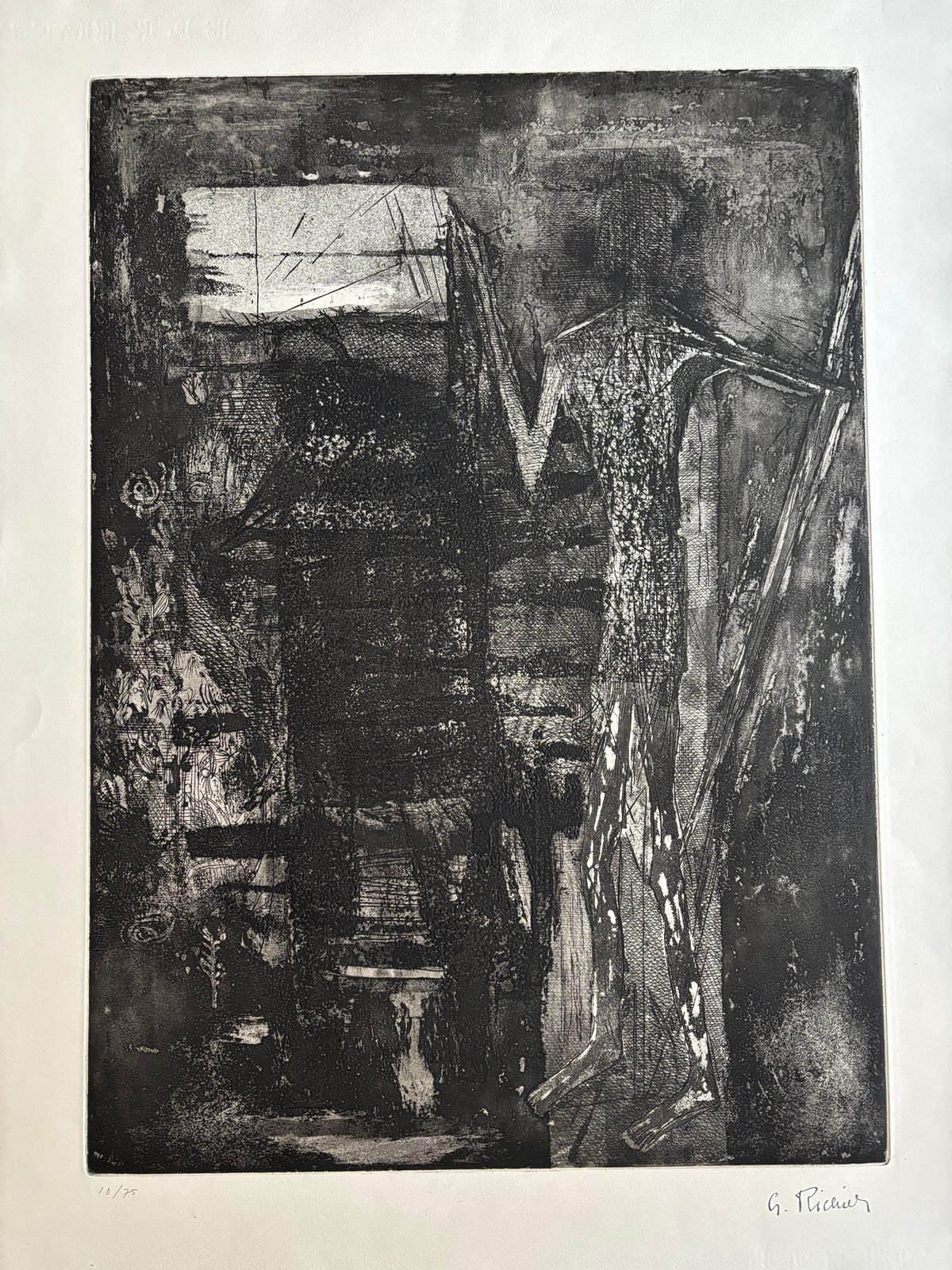
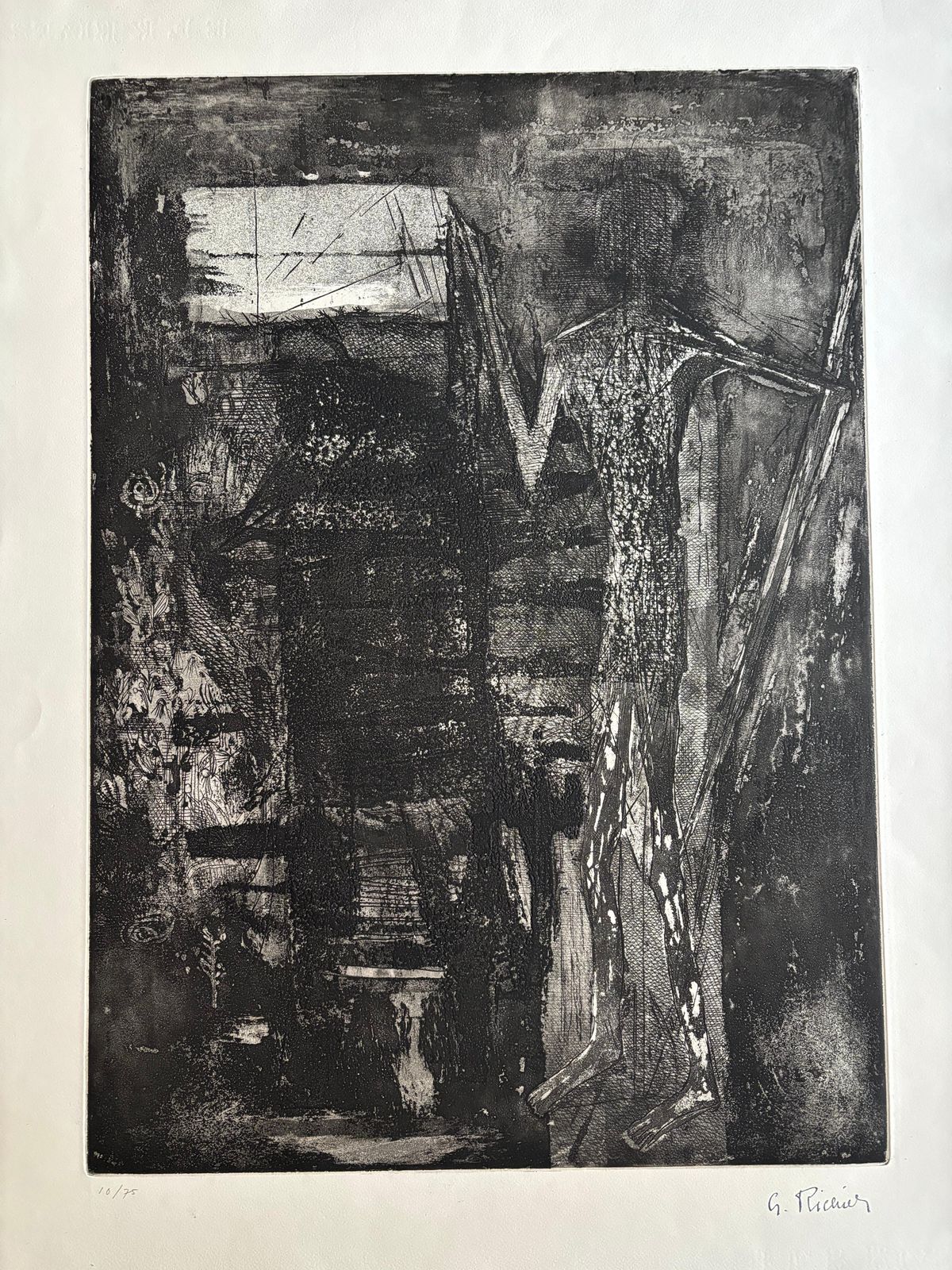
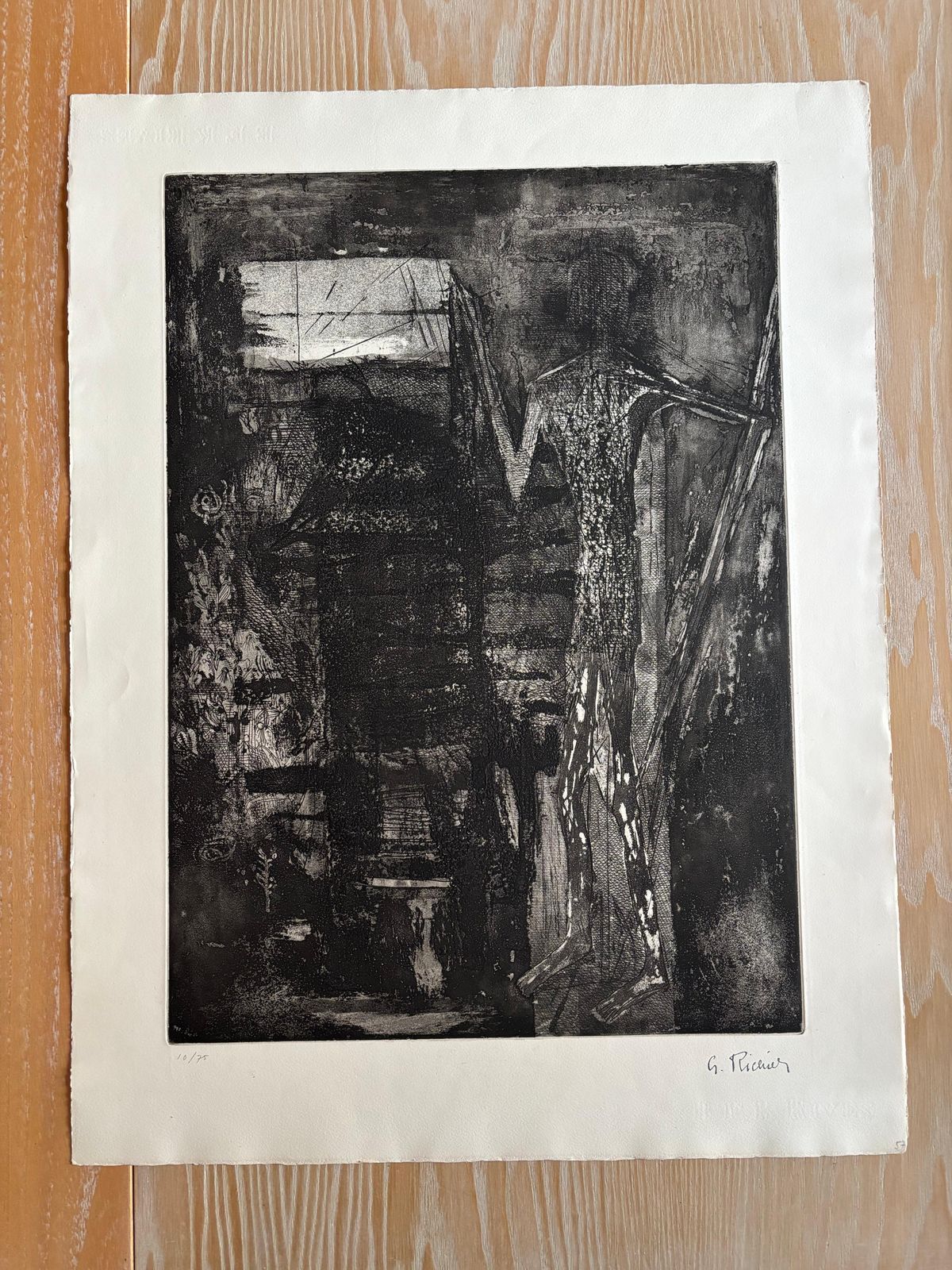
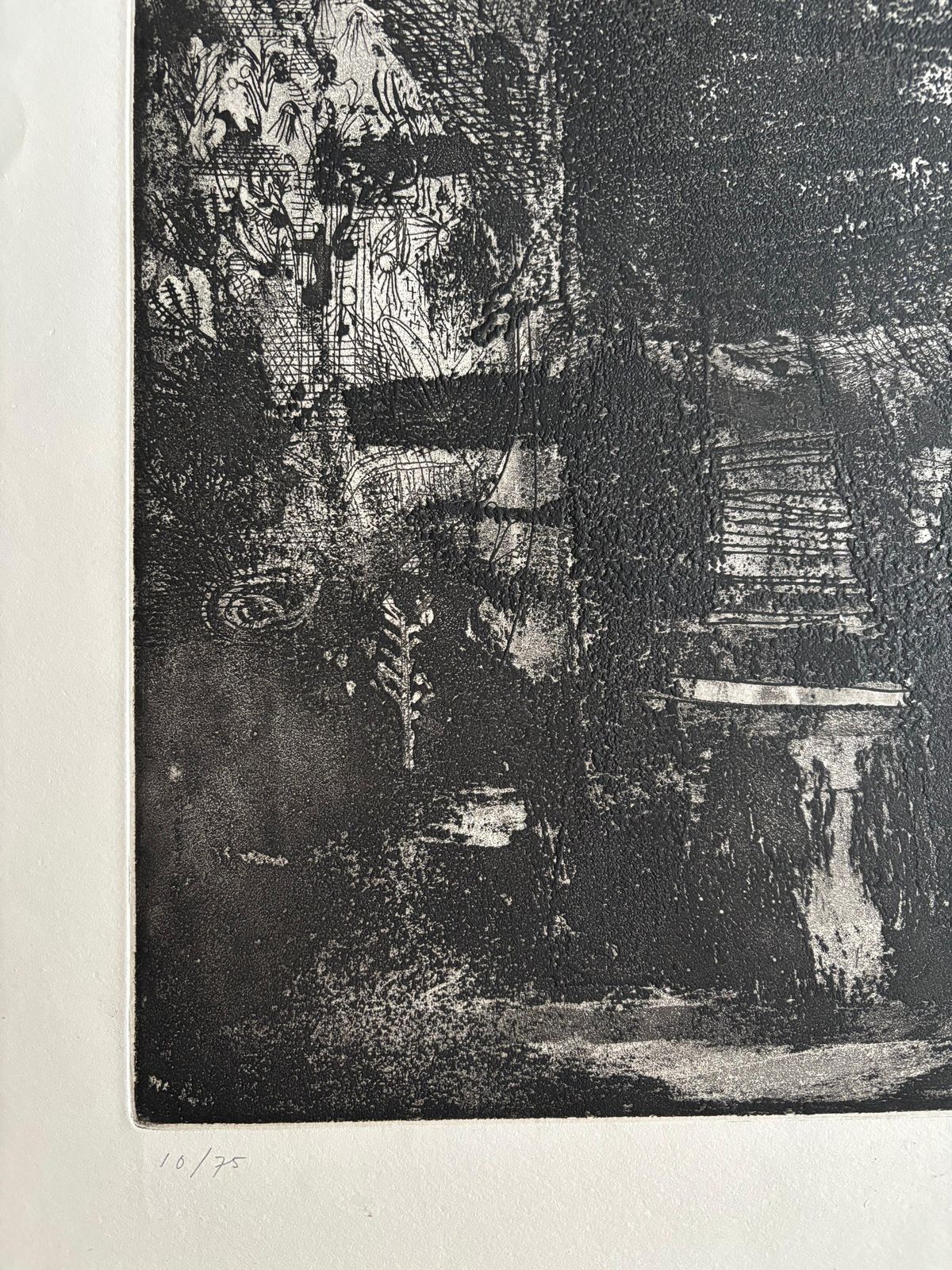
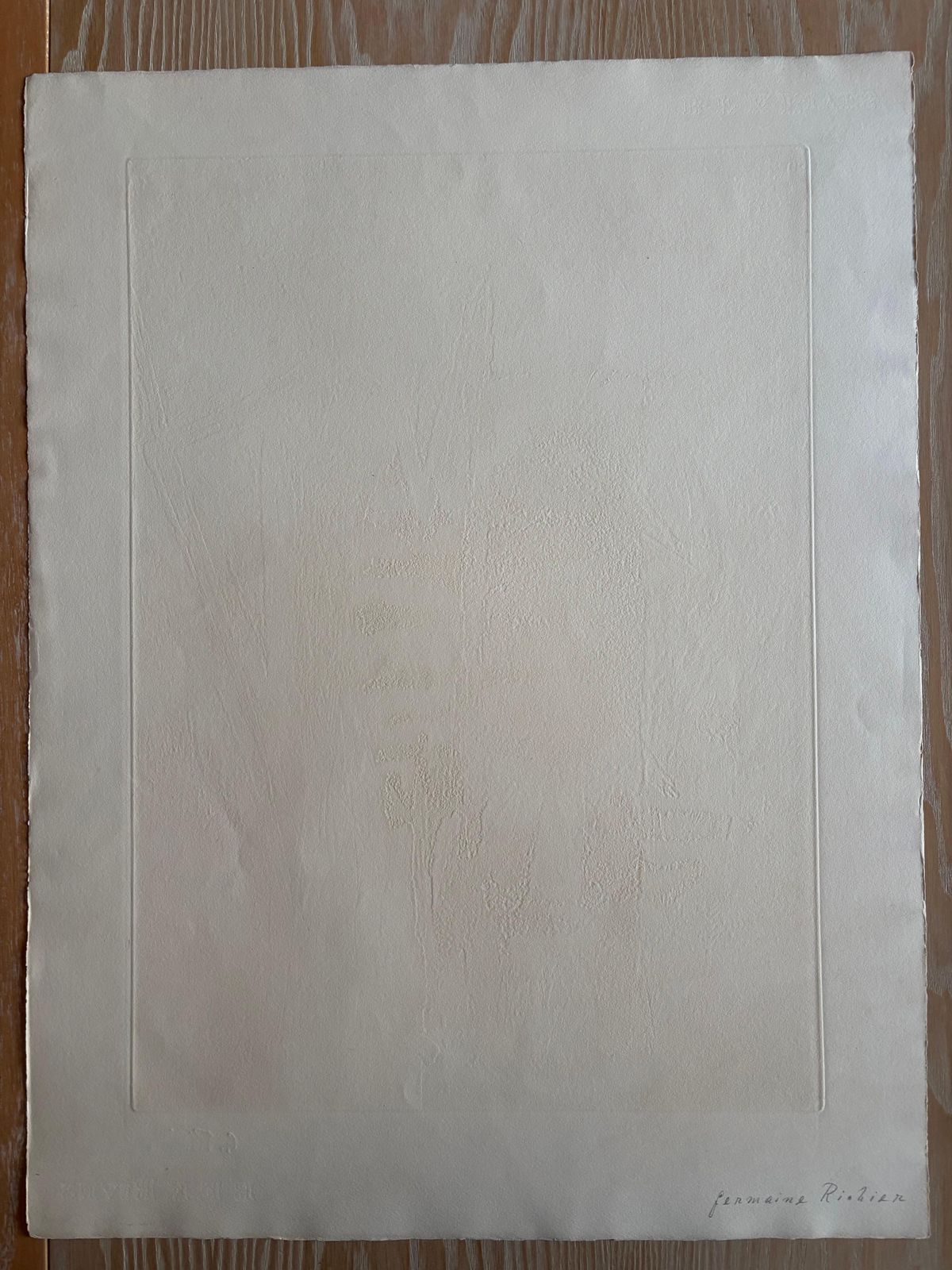
Germaine Richiergermaine Richier, Don Quichotte

 Saint-Ouen, France

Hassle-free returns
-
 Easy returns (14 days)
-
Free return if the item isn't as described
-
Buyer protection
Damage is rare, and you're fully protected if it happens.
Dimensions
Wear Condition
Good
Material
Paper
Style
Vintage
Product Details
Description
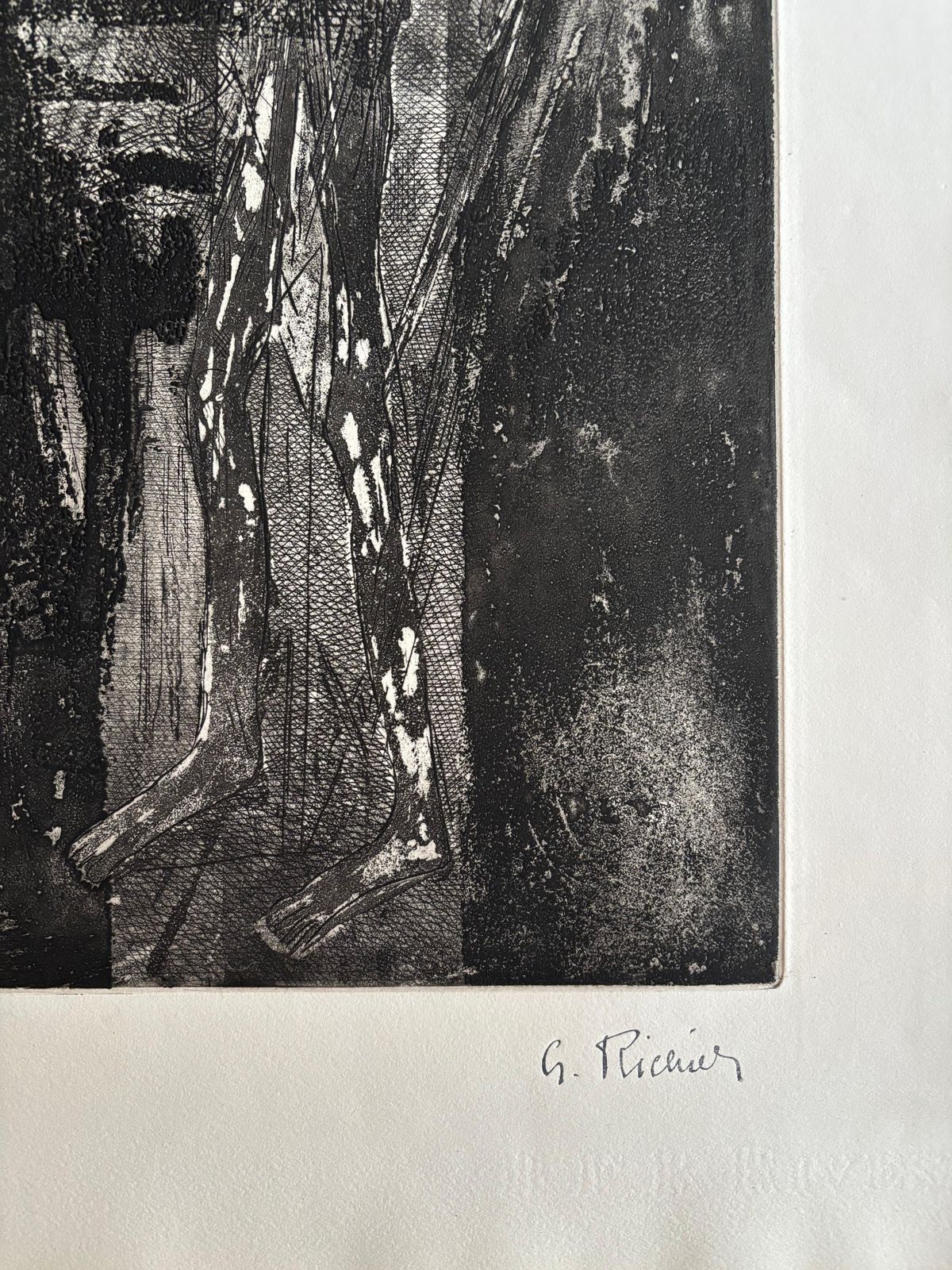
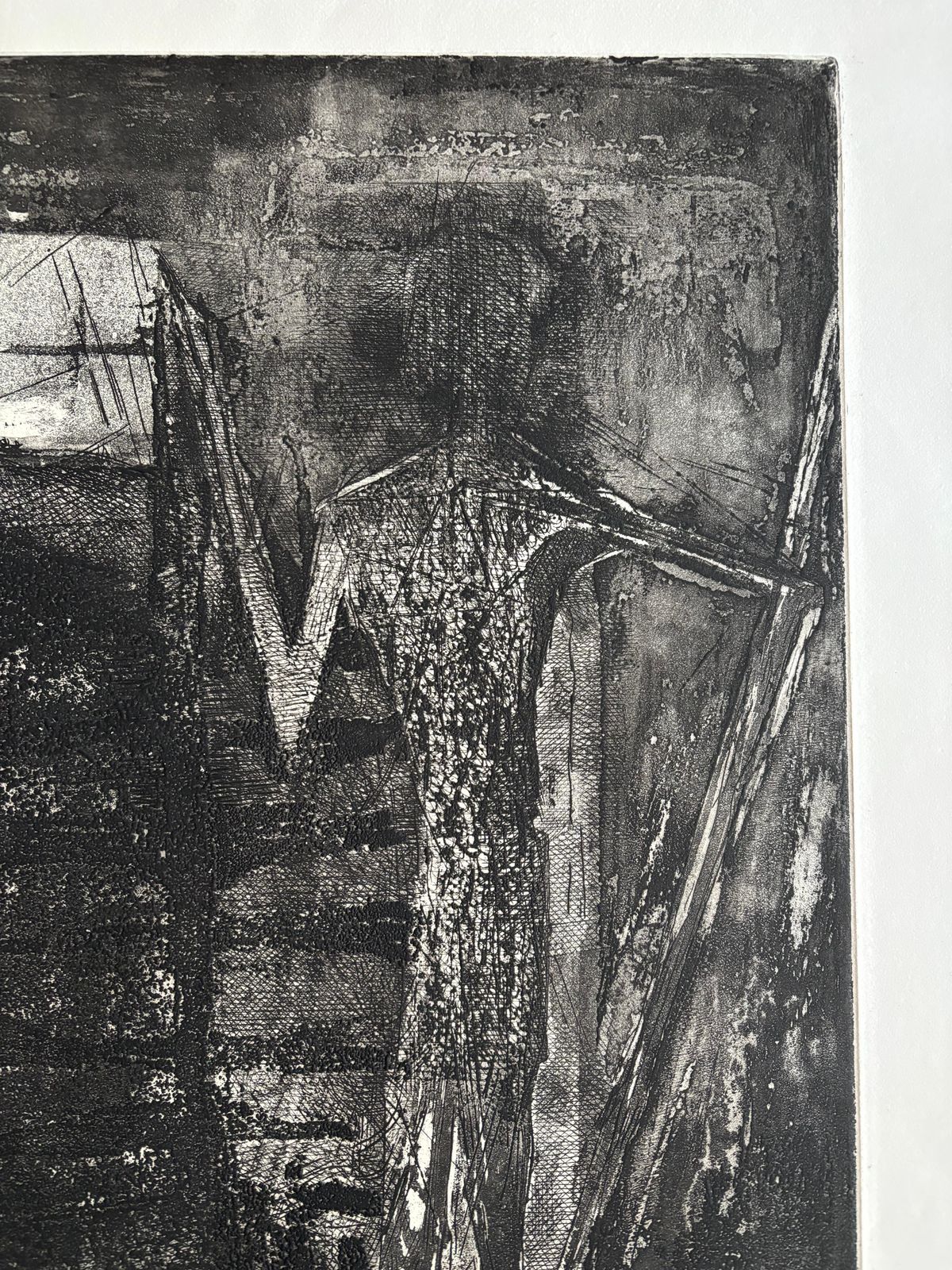
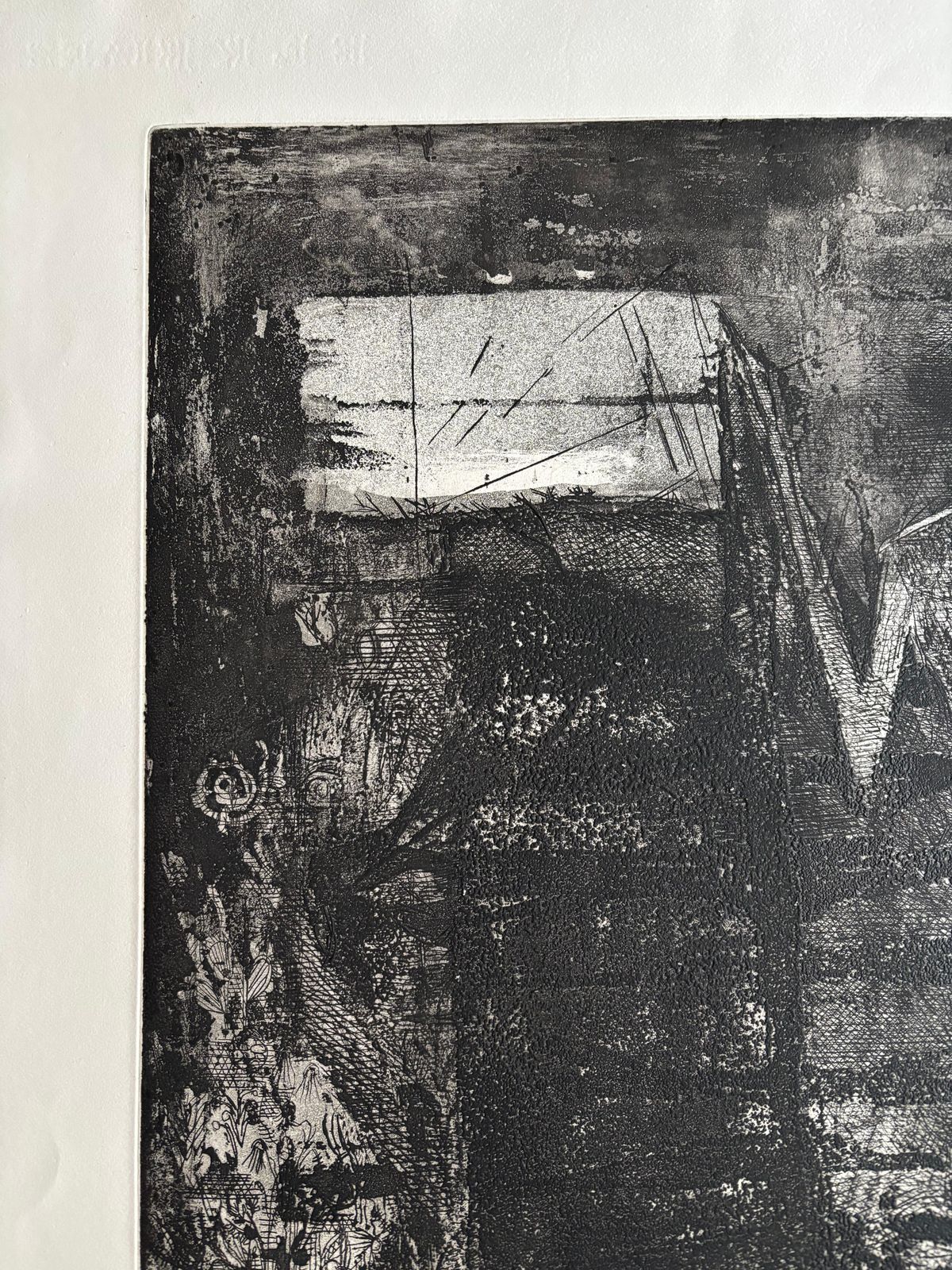
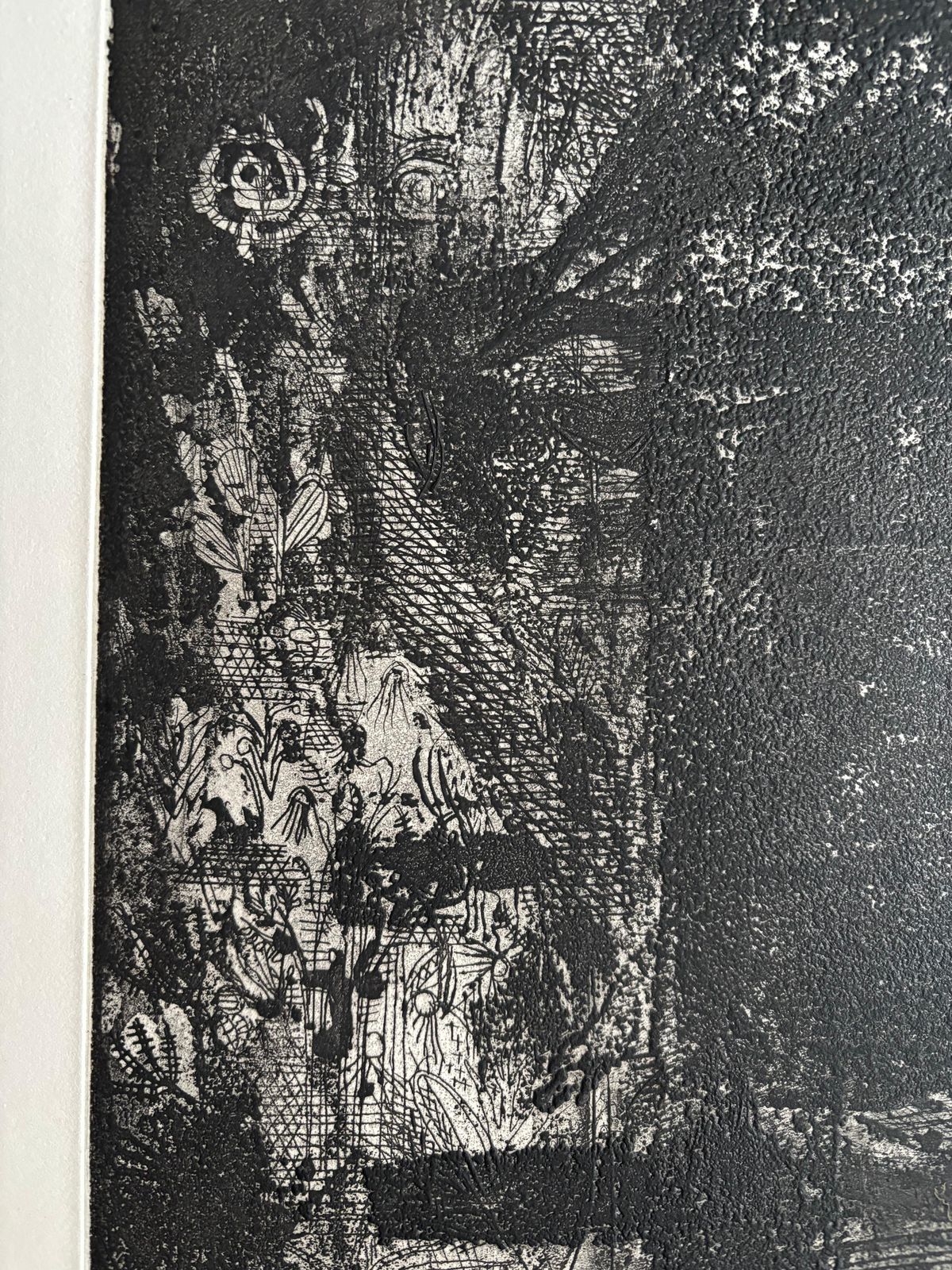
Description : rare signed and numbered print by the famous artist Germaine Richier, inscreasingly esteemed with the movement of rediscovering art by women, and generally described as the creative alter ego of Alberto Giacometti. Created in the 1950's, this etching measured 66 x 50 centimeters and depicts a famous subject of the artist : Don Quichotte. Don Quixote, which also exists as a sculpture masterpiece, marks the beginning of a new style in Germaine Richier’s work: a long, slim style. In contrast with the age old figures of massive, dense proportions such as L’Ogre for example, a series of slim figures, both slender and teetering on the edge of breakage follow Don Quixote. Its inaugural character hat pushes beyond the normal limits of man, define Don Quixote as a superior work. Shortly before Richier worked on a figure of Christ from the Church of Assy, a commissioned work where corporeality is pushed to an extreme, as if dissolved into concept. Don Quixote is of the same stark, idealist vein: Cervantes’ errant horse rider pulls away from the romantic picaresque. With Richier, he acquires a certain authentic noblesse. While the raised left arm indicates an attraction towards the sky, the virile diagonal of the lance stuck in the base indicates determination. Richier’s Don Quixote is not a cheap hero. Like Sisyphus, he is to be seen as a conqueror, walking through forests with his long, gnarled legs modelled from tree branches. Akin to the half human, half vegetal left arm, these legs allow for a glimpse of Richier’s almost pantheistic imagination: an imaginary world that is less fantastic than dramatic where the elements seem to join together for the sake of beauty. Don Quixote acquires an extraordinary universal dimension and stands equal to Giacometti’s L’Homme qui marche.
Germaine Richier is one of the main important modern sculptors of the XXth century, with Alberto Giacometti, Henry Moore, Barbara Hepworth, Alexander Calder, Pablo Picasso, Constantin Brancusi, Henri Matisse and Jean Dubuffet. Germaine Richier occupies a central position in the history of modern sculpture, as a link between Rodin and the first César. Having trained in the tradition of Auguste Rodin and Antoine Bourdelle, over a period of little more than 25 years, between the 1930s and her premature passing in 1959, Germaine Richier asserted herself as profoundly original and radical in scarcely more than 25 years. Some major themes (the human, the animal, myths) nurtured her practice as a sculptor. Like Alberto Giacometti, Richier effected a revitalisation of the figure, forging new images of men and women in the post-war period. traduit ça en anglais
Voici une version anglaise fluide, corrigée et professionnelle de votre texte (niveau galerie / catalogue), avec orthographe, style et terminologie artistique ajustés :
Germaine Richier — Don Quichotte
Description:
Rare signed and numbered print by the renowned sculptor Germaine Richier, whose work has been increasingly re-evaluated through the rediscovery of women artists and who is often described as the creative alter ego of Alberto Giacometti. Created in the 1950s, this etching (66 × 50 cm) depicts one of the artist’s most significant subjects: Don Quichotte.
This figure, which also exists as a sculptural masterpiece, marks the emergence of a new stylistic phase in Richier’s work — a long, slender aesthetic. In contrast to her earlier dense, massive figures such as L’Ogre, Don Quichotte inaugurates a series of attenuated, fragile silhouettes that seem poised on the verge of rupture. Its inaugural character pushes beyond the ordinary limits of the human figure, establishing Don Quichotte as a major work.
Shortly before, Richier had worked on the figure of Christ for the Church of Assy, a commission in which corporeality is stretched to an extreme, almost dissolving into concept. Don Quichotte belongs to the same austere and idealist vein: Cervantes’ wandering knight moves away from romantic picaresque tradition and, in Richier’s vision, acquires an authentic nobility. The raised left arm suggests an attraction toward the sky, while the virile diagonal of the lance anchored in the base conveys determination. Richier’s Don Quichotte is no facile hero; like Sisyphus, he appears as a conqueror, striding through forests on long, gnarled legs modeled after tree branches.
Together with the half-human, half-vegetal left arm, these legs reveal glimpses of Richier’s almost pantheistic imagination — a world less fantastical than dramatic, where natural elements merge in the service of beauty. Don Quichotte thus acquires a universal dimension, standing alongside Giacometti’s L’Homme qui marche.
Germaine Richier is one of the major sculptors of the twentieth century, alongside Alberto Giacometti, Henry Moore, Barbara Hepworth, Alexander Calder, Pablo Picasso, Constantin Brancusi, Henri Matisse, and Jean Dubuffet. She occupies a central place in the history of modern sculpture, forming a link between Rodin and the generation leading to César. Trained in the tradition of Auguste Rodin and Antoine Bourdelle, Richier developed, over a career of just over twenty-five years between the 1930s and her premature death in 1959, a profoundly original and radical sculptural language. Major themes — the human figure, the animal world, and myth — nourished her practice. Like Giacometti, she contributed decisively to the post-war renewal of the human figure, forging new images of men and women in modern sculpture.
Si vous voulez, je peux aussi vous faire :
version courte (cartel)
version catalogue raisonné
version vente aux enchères (Christie’s/Sotheby’s style)
bilingue FR/EN aligné.
et français
Voici la version française fluide, corrigée et professionnelle (style galerie / catalogue), fidèle au texte anglais que vous avez fourni :
Germaine Richier — Don Quichotte
Description :
Rare estampe signée et numérotée de la célèbre sculptrice Germaine Richier, dont l’œuvre connaît aujourd’hui une reconnaissance croissante dans le mouvement de redécouverte des artistes femmes et qui est souvent considérée comme l’alter ego créatif d’Alberto Giacometti. Réalisée dans les années 1950, cette eau-forte (66 × 50 cm) représente l’un des sujets majeurs de l’artiste : Don Quichotte.
Cette figure, qui existe également sous la forme d’un chef-d’œuvre sculpté, marque l’émergence d’une nouvelle phase stylistique dans l’œuvre de Richier — un style longiligne et élancé. En contraste avec ses figures antérieures, denses et massives, telles que L’Ogre, Don Quichotte inaugure une série de silhouettes amincies, fragiles, comme au bord de la rupture. Par son caractère inaugural qui dépasse les limites ordinaires de la figure humaine, Don Quichotte s’impose comme une œuvre majeure.
Peu auparavant, Richier avait travaillé sur la figure du Christ pour l’église d’Assy, une commande où la corporéité est poussée à l’extrême, presque dissoute dans le concept. Don Quichotte appartient à la même veine austère et idéaliste : le chevalier errant de Cervantès s’éloigne du pittoresque romantique et acquiert, chez Richier, une noblesse authentique. Le bras gauche levé suggère une attraction vers le ciel, tandis que la diagonale virile de la lance ancrée dans la base exprime la détermination. Le Don Quichotte de Richier n’est pas un héros facile ; tel Sisyphe, il apparaît comme un conquérant, avançant à travers la forêt sur de longues jambes noueuses modelées d’après des branches.
Avec le bras gauche mi-humain mi-végétal, ces jambes laissent entrevoir l’imaginaire presque panthéiste de Richier — un monde moins fantastique que dramatique, où les éléments naturels semblent s’unir au service de la beauté. Don Quichotte acquiert ainsi une dimension universelle, se situant au niveau de L’Homme qui marche de Giacometti.
Germaine Richier est l’une des grandes sculptrices du XXᵉ siècle, aux côtés d’Alberto Giacometti, Henry Moore, Barbara Hepworth, Alexander Calder, Pablo Picasso, Constantin Brancusi, Henri Matisse et Jean Dubuffet. Elle occupe une place centrale dans l’histoire de la sculpture moderne, faisant le lien entre Rodin et la génération menant à César. Formée dans la tradition d’Auguste Rodin et d’Antoine Bourdelle, Richier développe, en un peu plus de vingt-cinq ans entre les années 1930 et sa disparition prématurée en 1959, un langage sculptural profondément original et radical. Les grands thèmes — la figure humaine, l’animal et le mythe — nourrissent son œuvre. À l’instar de Giacometti, elle participe de manière décisive au renouveau de la figure après la Seconde Guerre mondiale, forgeant de nouvelles images de l’homme et de la femme dans la sculpture moderne.
Si vous souhaitez, je peux aussi vous fournir :
un cartel court FR/EN,
une version vente aux enchères,
ou une fiche œuvre prête catalogue (PDF).
Condition report:
Excellent
Wear Condition
Good
Cancellations
We offer free cancellations and full refund for orders cancelled before dispatching. View full policy.
Returns
We have a 14-day return guarantee for orders from individual sellers, within the UK and European Union. View full policy.
Additional Delivery Info from Seller
Shipping costs vary depending on the destination, the number and kind of items.
Extremely neat delivery worldwide, in quilted and secure casing.
Estimated delivery time
More than two weeks
Free collection available
No
Made to Last
The average lifespan of a Vinterior piece is 100 years, while modern flat-pack typically takes just 3 years to reach landfill. When you choose pre-loved, you can shop with confidence in quality, craftsmanship and longevity. With our top-rated customer service team and price match guarantee, there's no better way to shop pre-loved.

Professional Seller
Shopping at Vinterior


Similar Prints
Similar Prints
Add to a wishlist
Create Wishlist
Completethe room
Good design is all in the layering. Whether you're adding impact or refining the details, now’s the time to find what’s missing.
Wear conditions
Excellent
Shows little to no signs of wear and tear.
Good
May show slight traces of use in keeping with age. Most vintage and antique items fit into this condition.
Average
Likely to show signs of some light scratching and ageing but still remains in a fair condition.
Apparent Wear and Tear
Visible signs of previous use including scratches, chips or stains.
Please refer to condition report, images or make a seller enquiry for additional information.
Cancellations and Returns
Last updated: 12/02/2026
Clear, predictable protection for every pre-loved purchase.
Simple £75 flat return fee for UK-to-UK mainland furniture when you change your mind.
Applies to furniture with a final selling price of up to £5,000 (excluding delivery and service fees) and delivered from a UK mainland seller to mainland UK addresses. Excludes Northern Ireland, Channel Islands, Scottish Highlands & Islands, Isle of Wight and Isles of Scilly.
Buying vintage should feel inspiring, not uncertain.
Every order on Vinterior is backed by straightforward returns, free cancellations, and extra peace of mind for UK furniture purchases.
1. Free cancellations
Changed your mind before dispatch?
You can cancel any order before it's shipped for a full refund, including delivery.
To cancel an order, click Create cancellation on the order page.
Once an item has been dispatched, delivery costs are not refundable.
Bespoke, personalised or made-to-order pieces cannot be cancelled.
2. Returning an item
You have 14 days from delivery to request a return.
There are two return types:
A. The item isn't as described (free return)
If your piece arrives and it doesn't match the listing in any material way (incorrect description, undisclosed damage, inaccurate measurements, misleading photos), you are fully protected:
- Free return
- The seller or Vinterior arranges pickup
- Full refund, including outbound delivery costs once the seller receives the item
This applies to all purchases.
B. You changed your mind
UK-to-UK furniture deliveries:
To make UK furniture returns predictable and stress-free, we offer a simple flat return fee of £75.
- Applies to furniture delivered from a UK mainland seller to a mainland UK address. Excludes Northern Ireland, Channel Islands, Scottish Highlands & Islands, Isle of Wight and Isles of Scilly.
- Pickup arranged for you
- One clear fee, no surprises
We coordinate the return with either the seller's chosen courier or our trusted delivery partner.
All other items
Most smaller items are straightforward to return.
You can still return your item within 14 days.
- For smaller or parcel-sized items, you can choose to post the item back yourself using a tracked service, or the seller can suggest a preferred courier.
- For larger or more fragile pieces, the seller may recommend the safest return method.
- Return delivery costs vary depending on size and courier.
The seller will confirm the best option based on the item.
3. If your item arrives damaged
Damage on arrival is uncommon, especially for UK furniture deliveries.
But if something does go wrong, you're fully protected.
- Let us know as soon as possible (ideally within 72 hours of delivery) so we can resolve things quickly
- Share photos so we understand what happened
- We’ll help arrange a return and refund if needed
You’re always protected when something goes wrong in transit.
Your statutory rights apply for up to 30 days from delivery.
4. What can't be returned
Some items cannot be returned:
- Bespoke, personalised, or made-to-order pieces
- Items altered after delivery
5. How to start a return
- Log in to your Vinterior account
- Open your order
- Click Create a return
- Add notes + photos if relevant
We'll guide you through the rest.
6. What happens next
- We review your request, confirm the return and advise on next steps
- Pickup or return method is arranged
- The item is returned to the seller
- We issue your refund once the seller confirms the item's condition
Returns are completed smoothly once the pickup is arranged.
7. Refunds
Once the seller receives the piece back in the same condition it was sent, we'll issue your refund to your original payment method.
Once a refund is issued, it may take up to 5–10 working days for the funds to appear back on your original payment method, depending on your bank or card provider.
If the item is returned with new damage that wasn't present at delivery, the refund may be adjusted following review.
Need help?
If you have questions about a return or your order, our support team is here to help. Email us at [email protected] or find other ways to contact us here.
What your service fee covers
-
 14-day return guarantee
-
Flat-fee return shipping on UK furniture
-
Seller vetting
-
Dedicated customer support
| Order Value (£) | Fee (£) |
|---|---|
| 0 — 49.99 | 2.75 |
| 50 — 99.99 | 5.50 |
| 100 — 199.99 | 11.00 |
| 200 — 399.99 | 21.00 |
| 400 — 599.99 | 30.00 |
| 600 — 799.99 | 40.00 |
| 800 — 999.99 | 50.00 |
| 1,000 — 1,499.99 | 55.00 |
| 1,500 — 1,999.99 | 60.00 |
| 2,000 — 4,999.99 | 82.50 |
| 5,000+ | 110.00 |
Added at checkout, based on your basket total.
