


 Back to articles
THE DIGEST
The Complete Guide to Ercol
There are few names in British furniture that carry quite the weight of Ercol - and fewer still that have earned it so honestly.
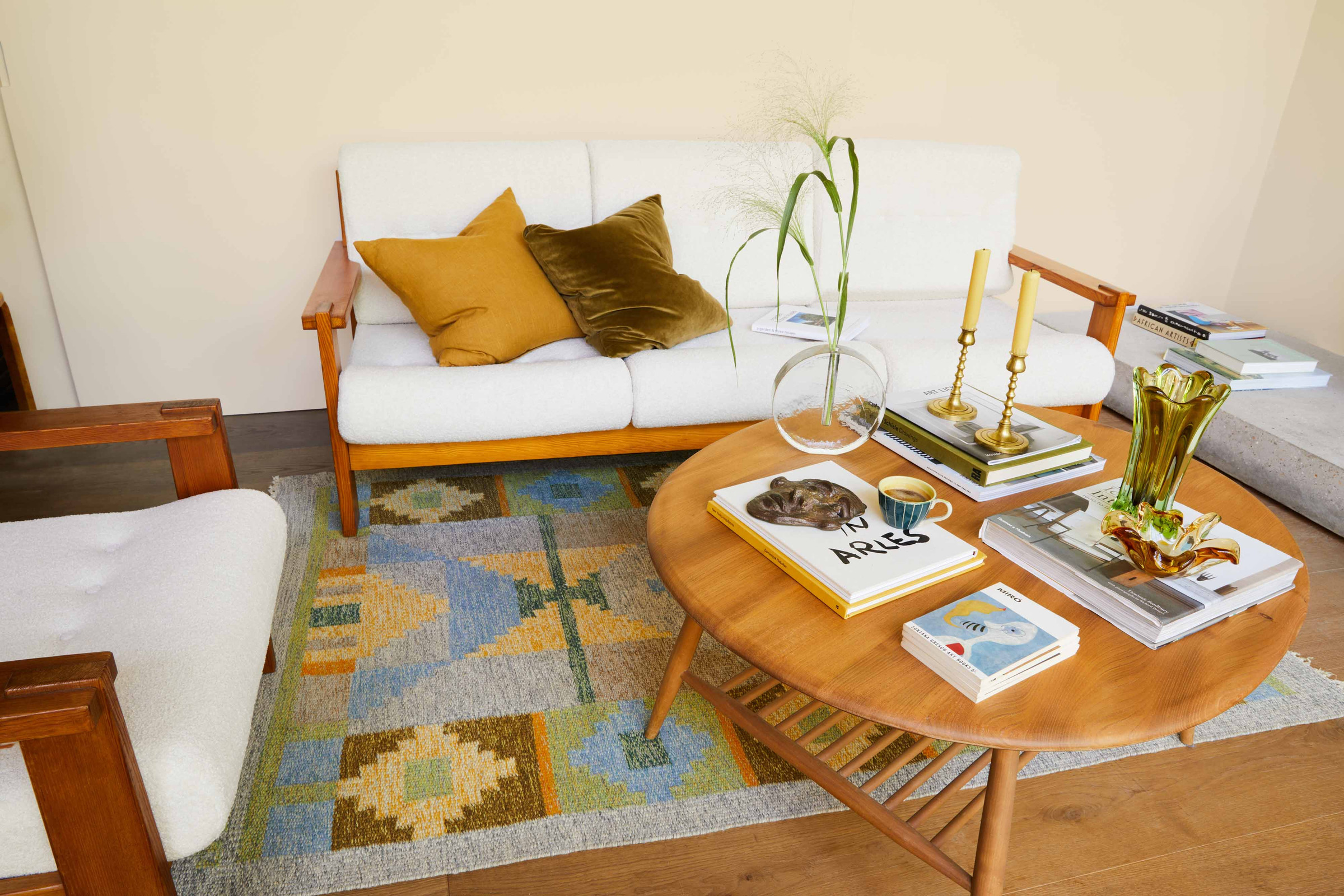
Walk into a well-curated home in Britain and the odds are good that something Ercol is in it: a set of elm dining chairs tucked under a kitchen table, a spindle-backed loveseat catching afternoon light, a sideboard whose quiet geometry still looks entirely right against a contemporary wall. This isn't nostalgia doing the heavy lifting. Ercol has endured because the furniture itself is genuinely, stubbornly good - made from solid timber with a respect for craft that never really went out of fashion, even when the style it represented briefly did.
For collectors, it represents something rare: a British design legacy that is both accessible and deeply considered, one where you can spend a modest sum on a coffee table or invest seriously in an early studio couch and feel equally well-served in either case. If you've been circling Ercol from a distance, or already own a piece and want to understand it better, here is what you need to know.
The story begins not in the quintessentially English Chilterns, but in the Marche region of Italy. Lucian Randolph Ercolani was born in 1888, came to London as a child, trained at the Shoreditch Technical Institute, and entered the furniture trade through Frederick Parker - later of Parker Knoll fame. It was a formation that combined Italian design sensibility with the rigorous craft tradition of High Wycombe, and the combination would prove defining. In 1920, Ercolani established his own company there, High Wycombe being the undisputed furniture capital of England, trading as Furniture Industries before rebranding as Ercol in the 1930s.
“Ercol has endured because the furniture itself is genuinely, stubbornly good - made from solid timber with a respect for craft that never really went out of fashion, even when the style it represented briefly did.”
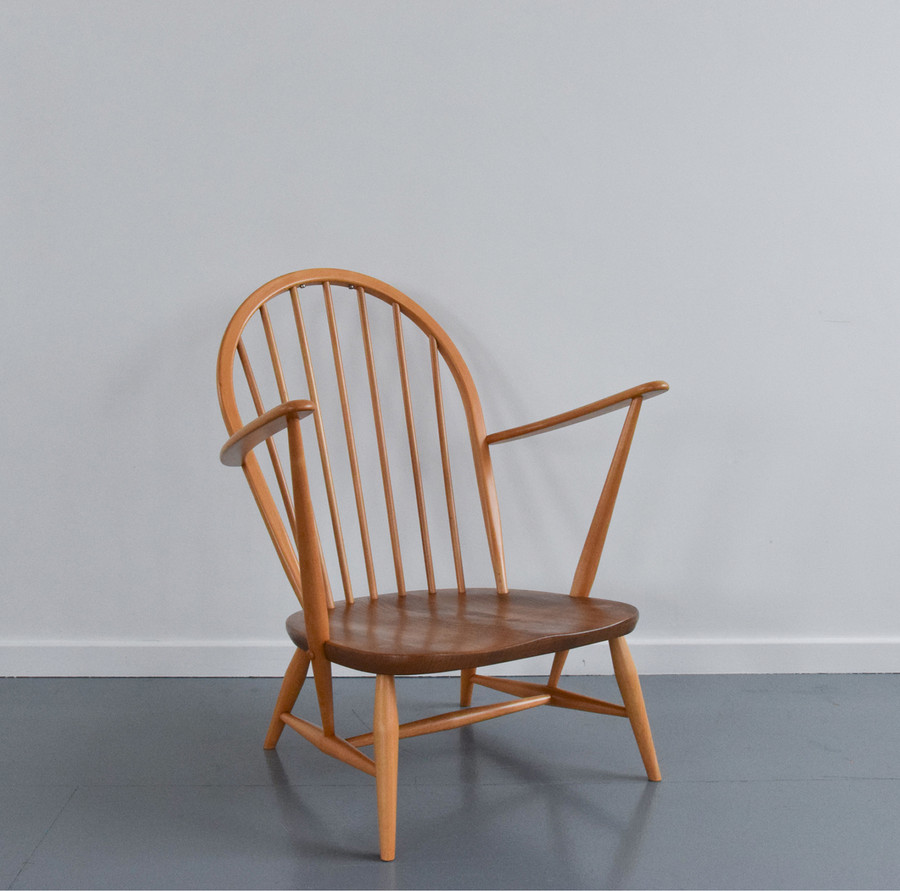
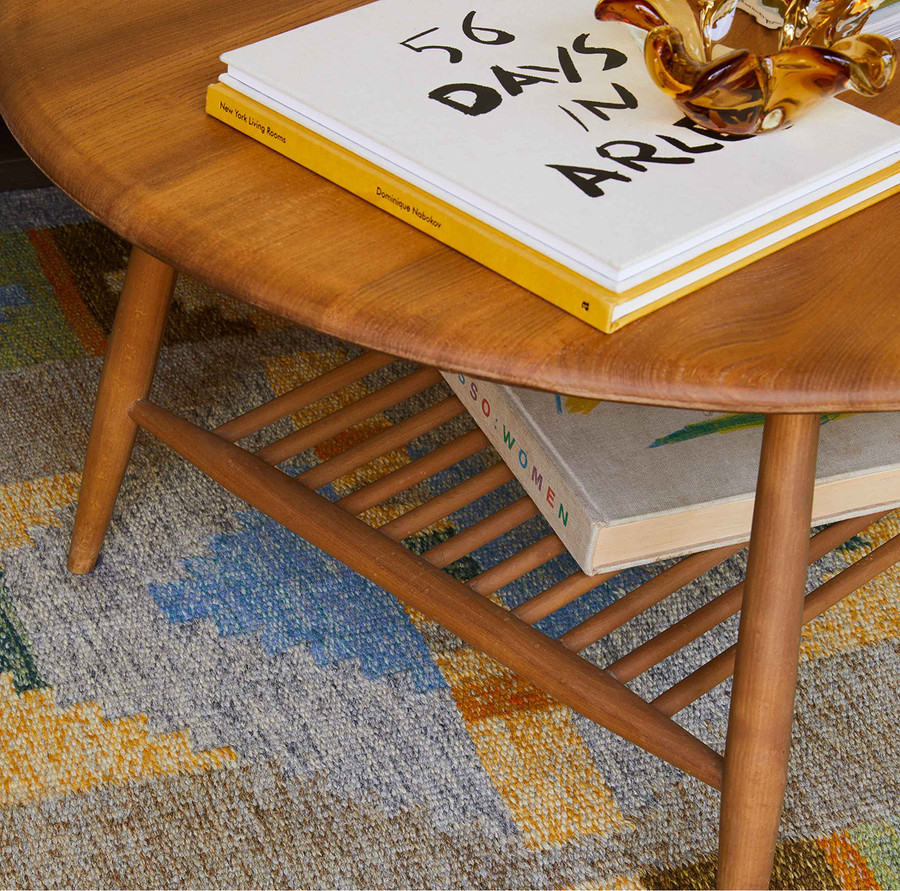
It was war, though, that gave the brand its defining moment. In 1944, the Board of Trade contracted Ercol to produce 100,000 chairs under the wartime Utility Furniture Scheme. Ercolani spent a year engineering a process to mass-produce Windsor chairs using steam-bent elm and beech, devising a new timber-drying method that solved elm's notorious tendency to warp, and building a production line efficient enough to assemble a chair from fourteen pre-formed components in around twenty seconds. What he was doing was more interesting than efficient manufacturing, though. He was taking a centuries-old vernacular tradition and giving it new life through modern production - without stripping it of its soul. The Windsor chair that emerged carried the warmth and honesty of something hand-crafted even when made at scale. At the 1946 "Britain Can Make It" exhibition at the V&A, Ercol's furniture stopped people in their tracks. By the 1951 Festival of Britain, the brand was already a phenomenon.

That Windsor range, running from the 1950s through to the 1980s and eventually encompassing chairs, sofas, tables, sideboards, display cabinets and occasional furniture, remains the heart of vintage Ercol today. All of it united by the signature combination of blonde elm and beech, characteristic spindle details, and a quietly confident mid-century line. Dining chairs from this period are among the most accessible entry points, but it's the larger and rarer pieces that reward a more serious eye.
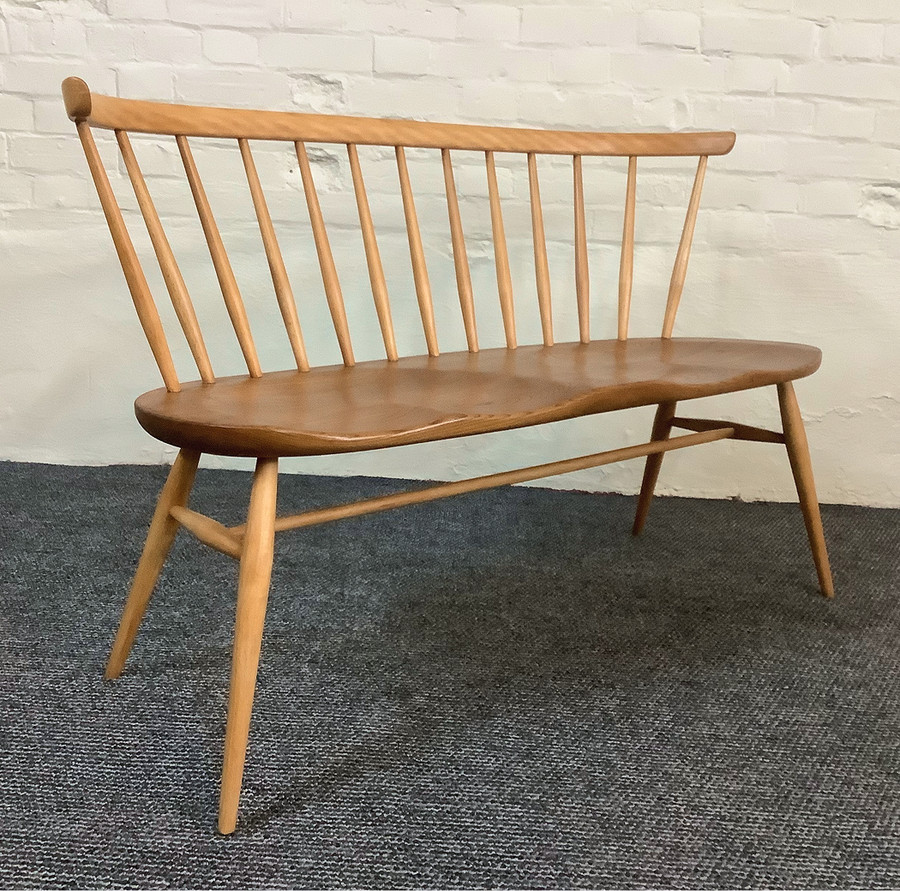
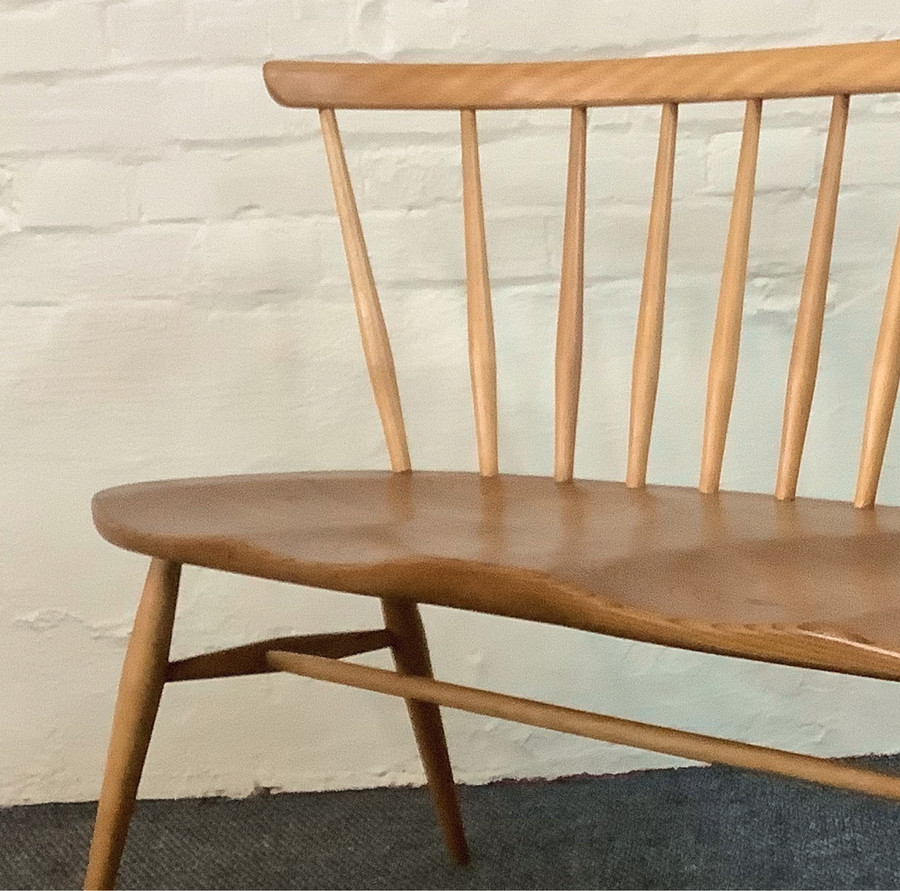
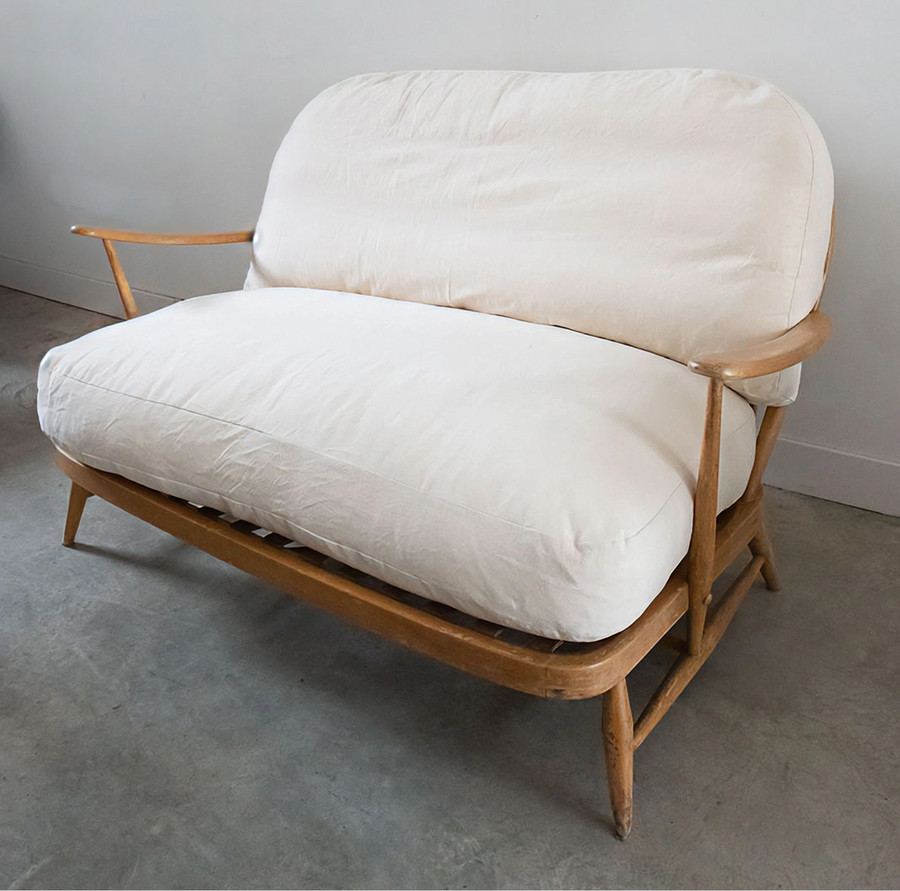
The Butterfly Chair, introduced in 1956, used steam-bent laminated wood to achieve graceful, sweeping curves that were genuinely innovative for their moment; a seat that combined advanced technique with sculptural beauty. Original examples in good condition are among the most prized individual Ercol pieces on the secondary market. That same year brought the Loveseat: a compact two-seat bench with a solid elm plank seat and spindle back that distils everything Ercolani believed in. Then there is the Studio Couch; a cleverly adaptable design that could function as sofa, occasional bed, or chaise, which speaks to Ercol's postwar spirit of practical, unpretentious living, and remains highly collectible precisely because nothing else quite looks like it.
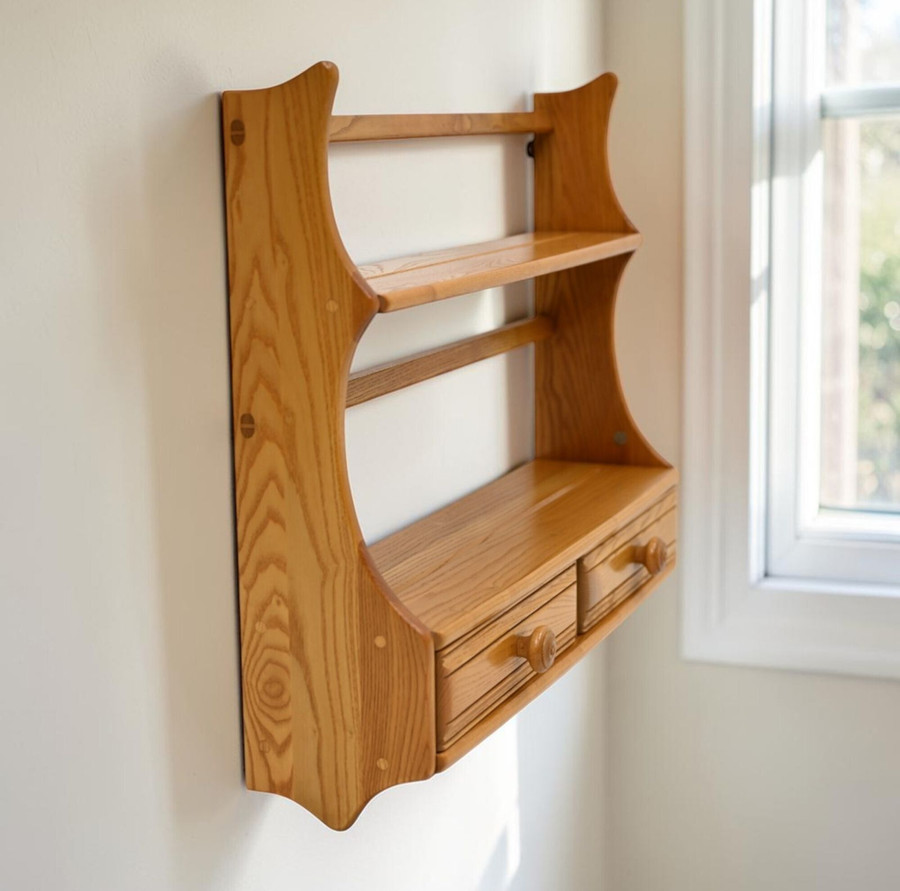
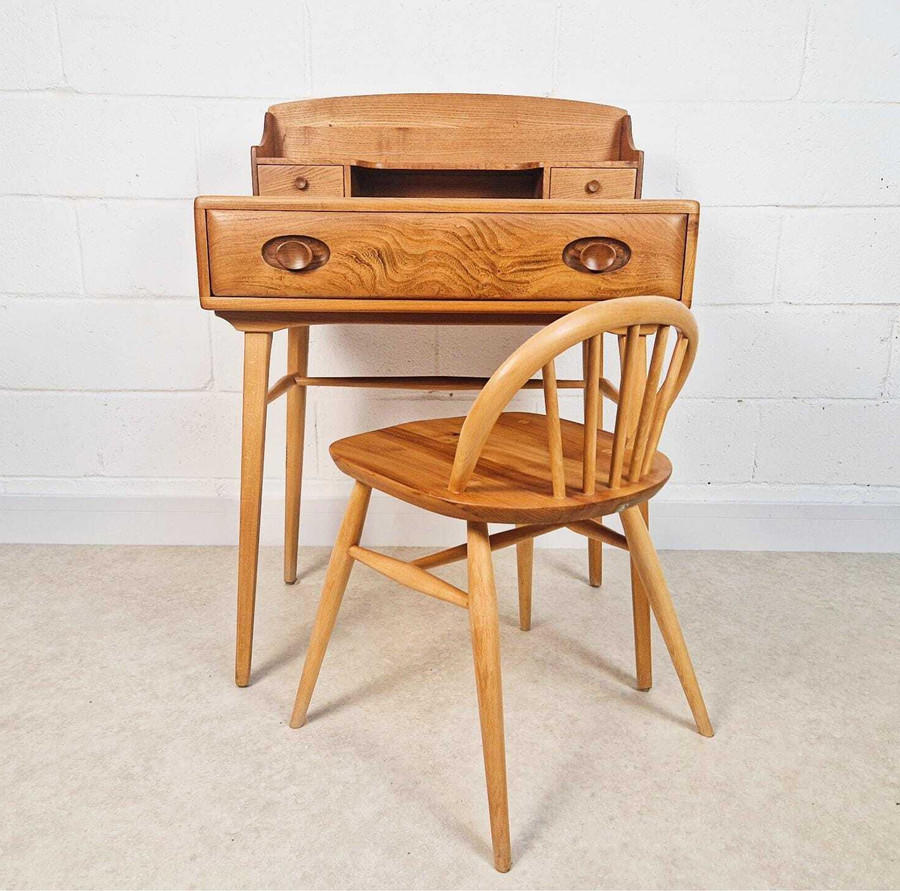
Because Ercol is so well-known, the name is sometimes used loosely - particularly online - to describe furniture that is merely in a similar style. Identifying the real thing is straightforward once you know the signs. Original pieces were typically marked with small square blue metallic labels (used from around 1954 to 1976) or circular gold labels (from roughly 1977 to 1995). From the 1960s, many pieces also carry an indented stamp with a date code - "Ercol 66" indicates 1966. The timber tells its own story too: genuine mid-century Windsor range pieces use precisely two woods, elm for solid seats and tabletops, beech for legs and spindles, with the back spindles always round in cross-section. Many imitations have oval or squared-off spindles, a reliable tell. All Windsor chairs up to around 1981 were finished in natural light wood with a clear lacquer; any dark staining indicates either the legitimate Old Colonial range or, more likely, something that isn't Ercol at all.
“Because Ercol is so well-known, the name is sometimes used loosely - particularly online - to describe furniture that is merely in a similar style.”

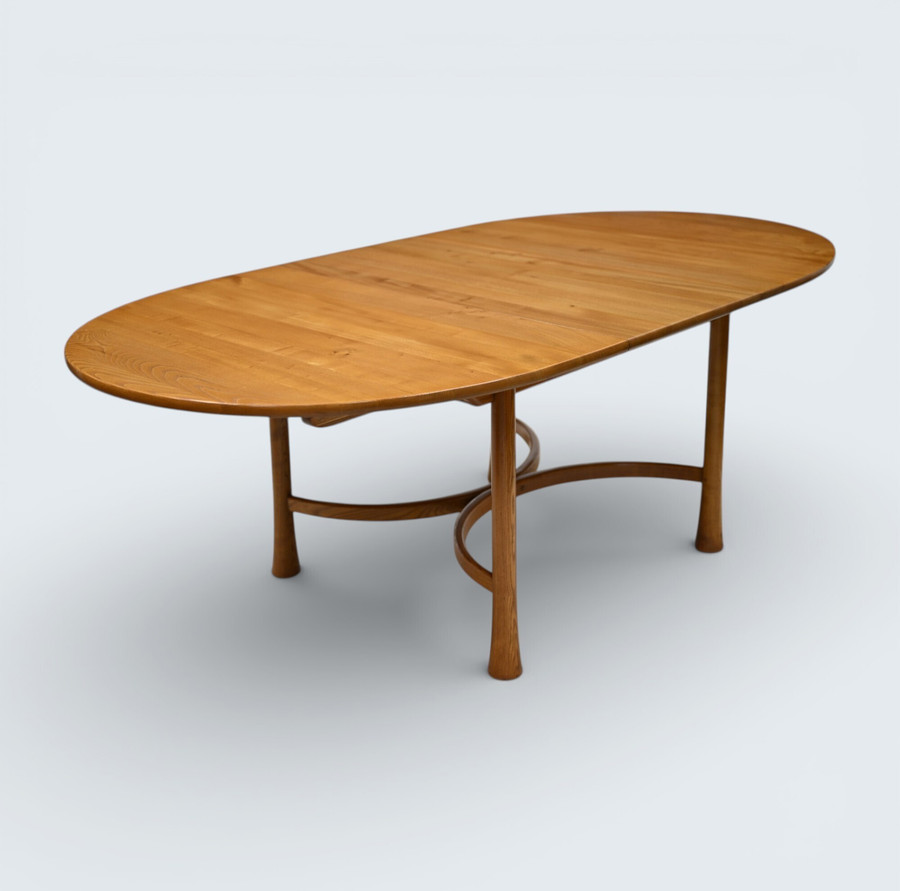
Ercol pieces have remained in homes and passed between generations not because they've been rediscovered, but because they were never really set aside. What Lucian Ercolani built in High Wycombe was furniture that sat at the precise intersection of democratic idealism and uncompromising quality - accessible, beautiful, and built to outlast the person who bought it. The fact that his Windsor chairs from the 1950s are still in daily use, still holding their joints, still looking entirely at home against a contemporary wall, is the simplest possible argument for what thoughtful design can achieve.

