


 Back to articles
THE DIGEST
The Art Of Juxtaposition: Why The Most Characterful Homes Break All The Rules
In an age of algorithm-approved interiors, the most memorable homes are often those that throw out the rulebook. From oversized furniture in small rooms to clashing colours and vintage finds, we explore why embracing contrast and personality is the secret to a truly characterful space.
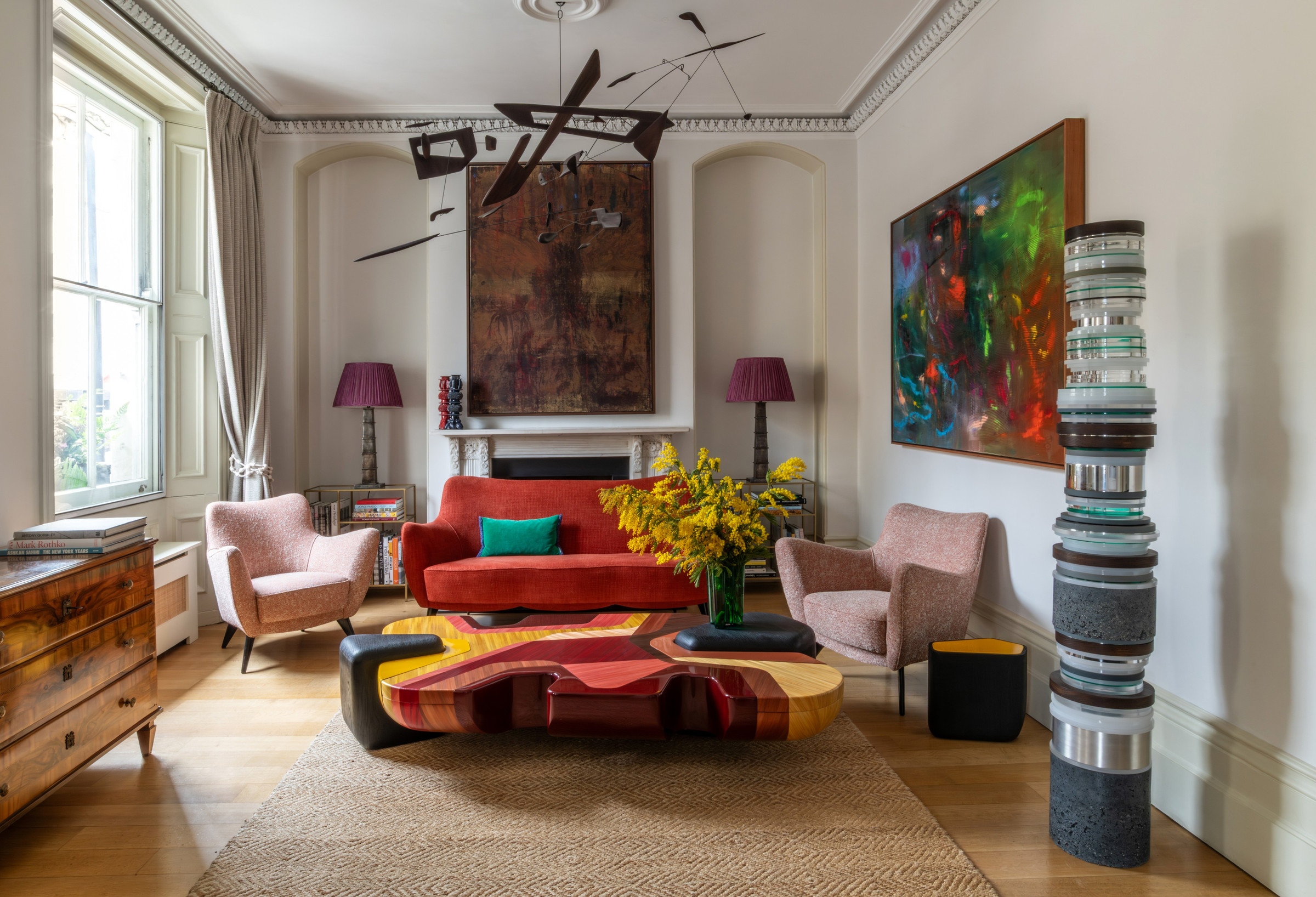
In an era of algorithm-approved interiors and perfectly curated palettes, spaces that break the so-called rules of good taste can be an unexpected breath of fresh air. For those brave enough to embrace personality over polish, juxtaposing eras, mismatched materials and clashing colours are often the alchemy that brings a space to life. It's the sofa that's a touch too large for the room, the antique dresser beneath the ultra-modern lighting, or the out-there artwork you just can't ignore. That push and pull between old and new, or even the tension between beautiful and ugly is what can make a home feel truly unique.
“Introducing oversized furniture can actually make a tiny room feel larger than it is.”
Miriam Frowein
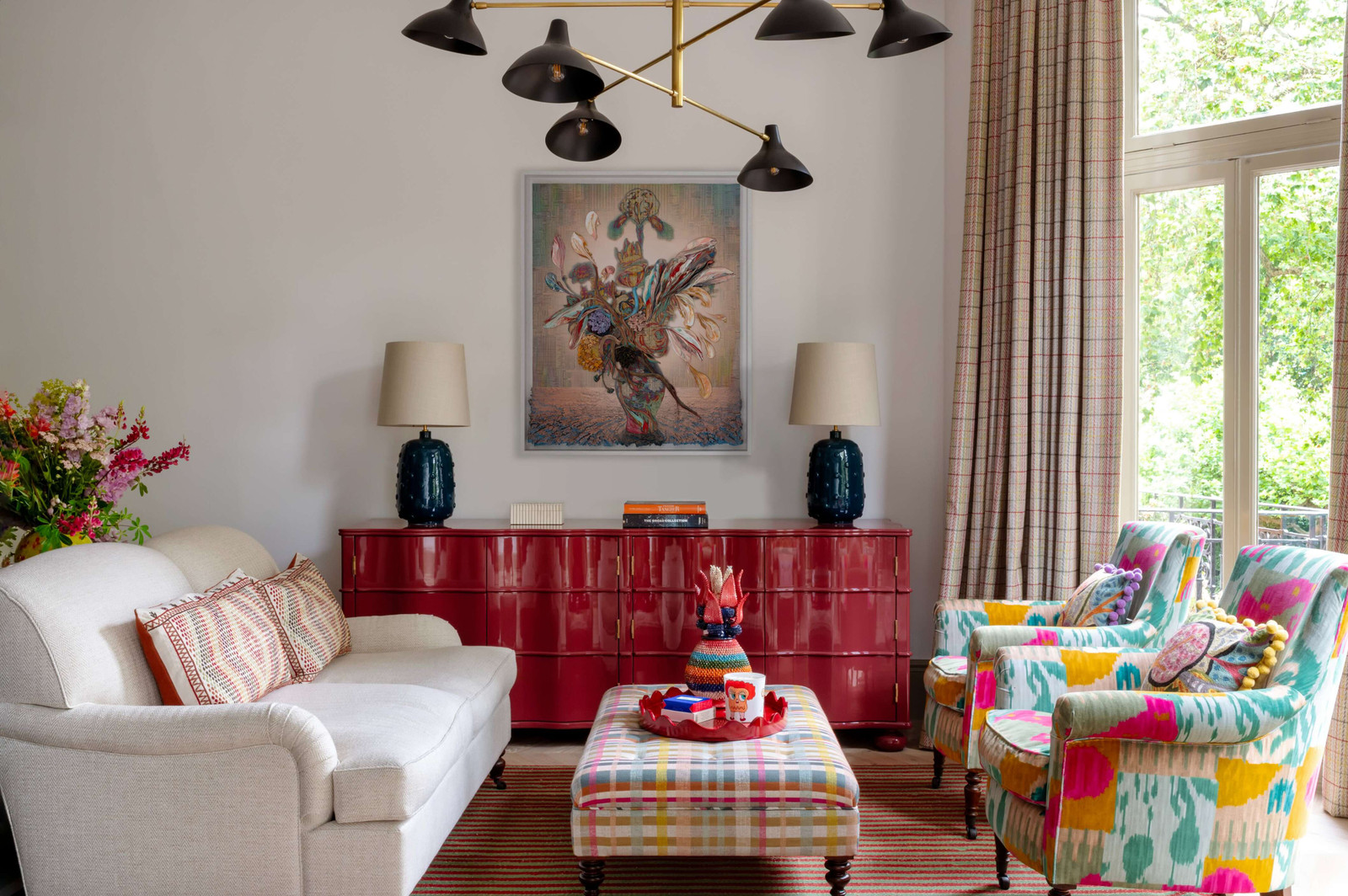
Playing with scale is one of the most effective ways to create dynamism, and the size of the furniture you choose can have more impact than you might expect. Most designers agree that larger spaces require appropriately sized furnishings to avoid it feeling ‘mean’, but surprisingly, large items can work brilliantly in a smaller room too. "Introducing oversized furniture can actually make a tiny room feel larger than it is," says multi-disciplinary interior designer Miriam Frowein. "In a recent project, we added a large, curved sofa to a small living room, which became a commanding focal point as well as providing maximum seating."
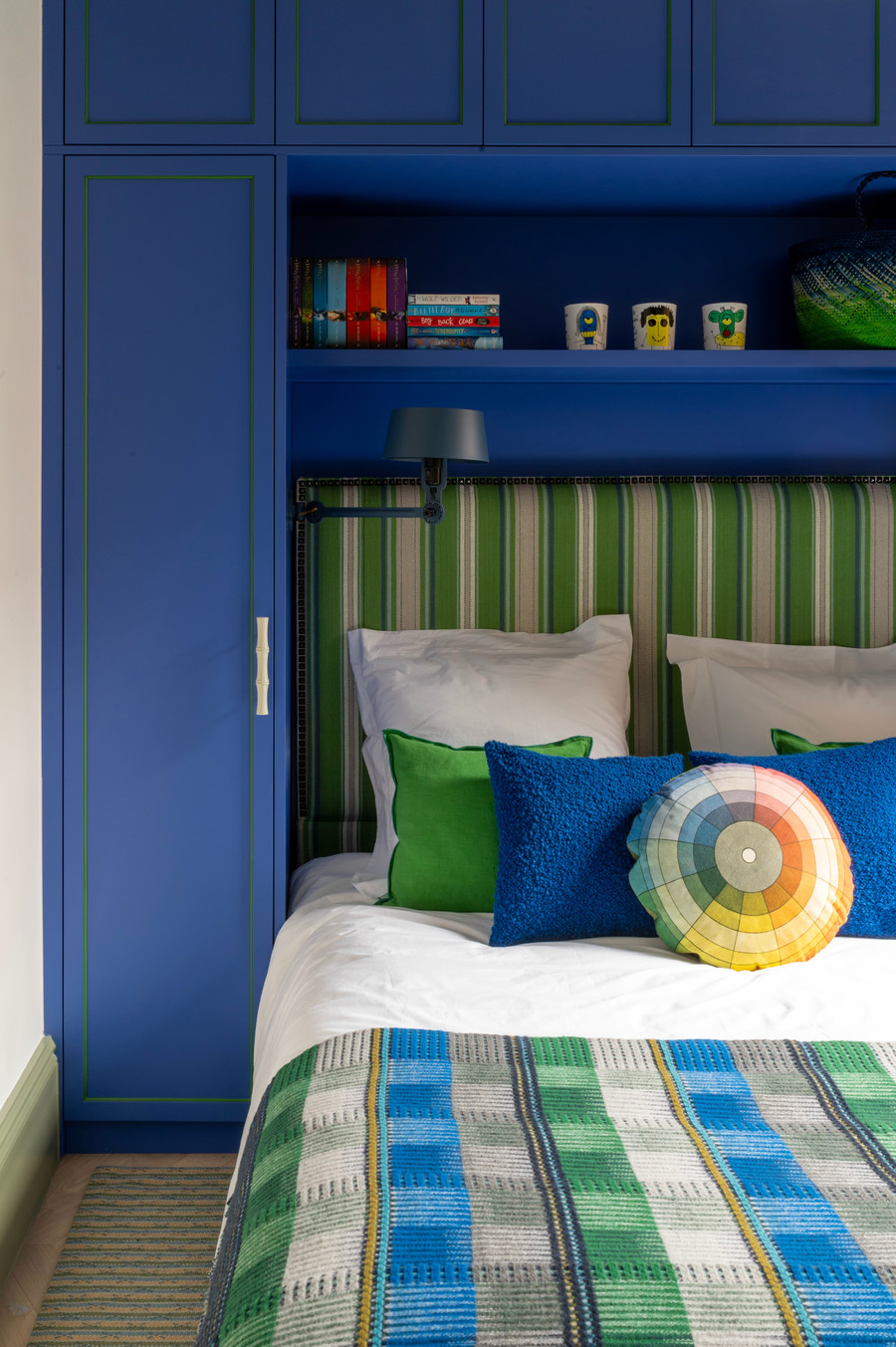
Being bold with colour is equally powerful and is often where the most memorable rooms are born. "For a client in Belgravia, we paired a vibrant lacquer side table with striking patterned armchairs in bright pink, green and yellow," continues Frowein. "It's a combination that on paper shouldn't work, but when there are different textures - in this case the high gloss finish and the textural linen - somehow, it does."
“The aim wasn't stylistic alignment but understanding how the materials and finishes would work alongside one another within the wider space.”
Romanos Brihi, Studio Vero
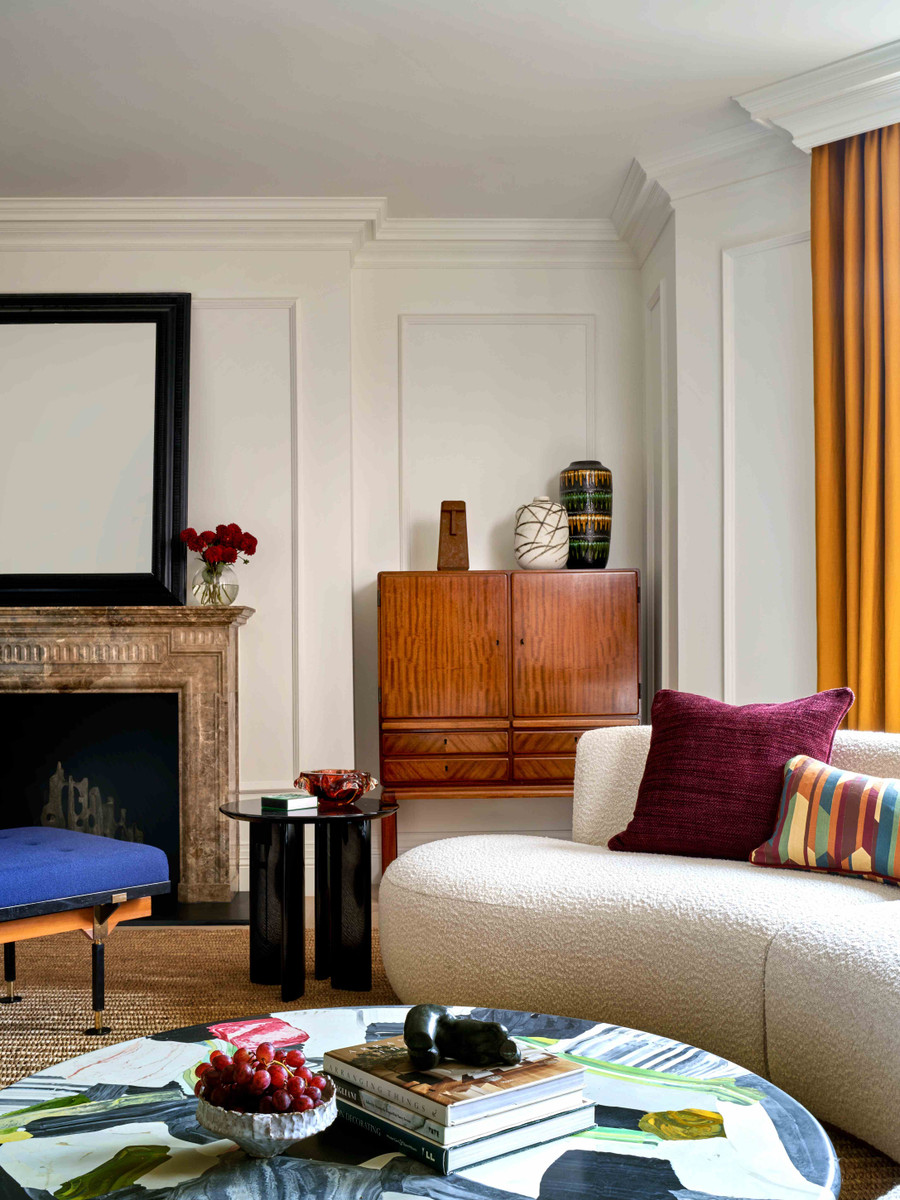
A key element in this recipe is vintage; items with history add charm, softening the new and the overly considered. And not only are pre-loved pieces a sustainable choice, but they also spark conversation. "When you're sourcing vintage, you're automatically pulling from different periods, so the idea of 'matching' quickly falls away,” says Romanos Brihi, co-founder of London-based design practice Studio Vero. "It's what stops a space from feeling generic as you're not going to walk into someone else's house and find the same things. In a recent project, we worked with a collection of inherited Art Deco pieces, which we layered with contemporary elements. The aim wasn't stylistic alignment but understanding how the materials and finishes would work alongside one another within the wider space. That's what creates cohesion."
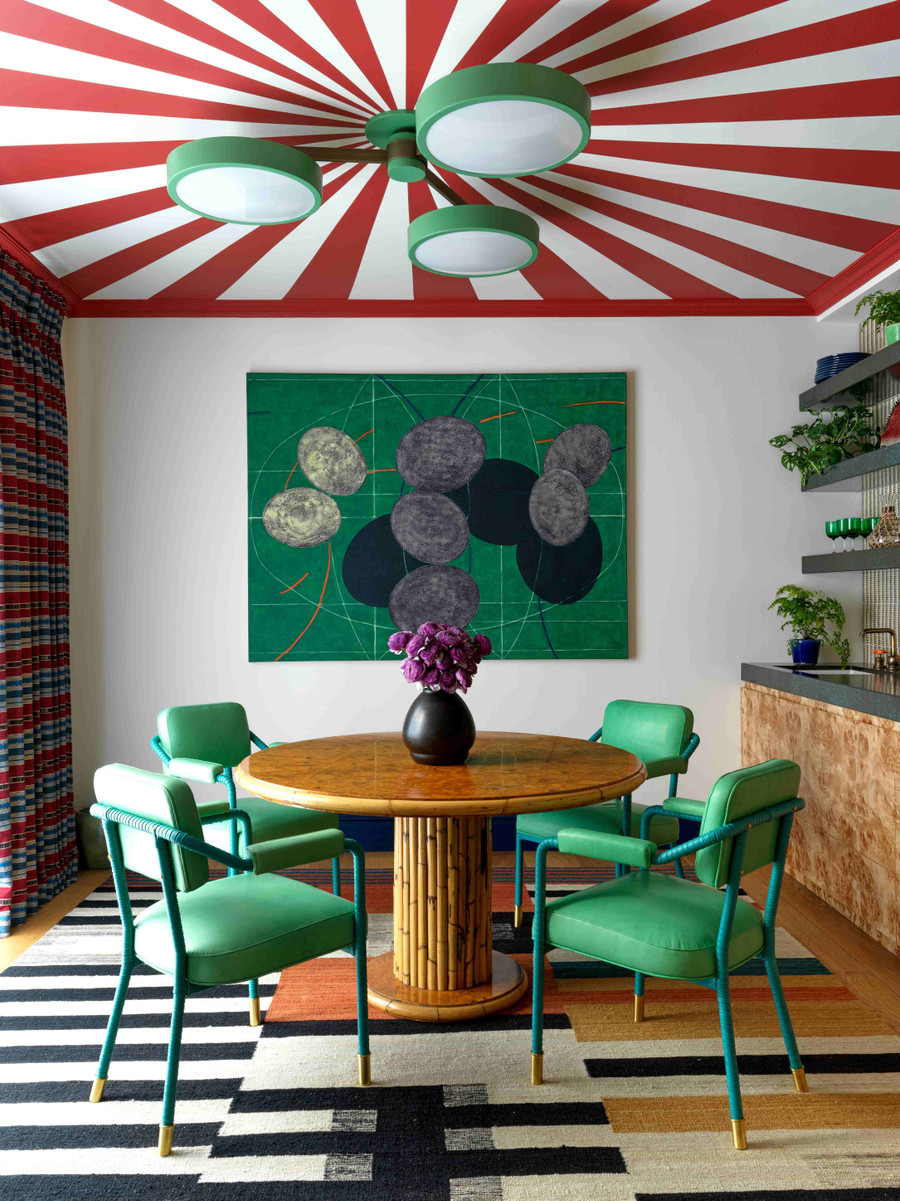
“A ceramic plate, a vintage handbag, an antique textile - you can display these things as you would a painting. Ultimately, it's about trusting your eye.”
Romanos Brihi, Studio Vero
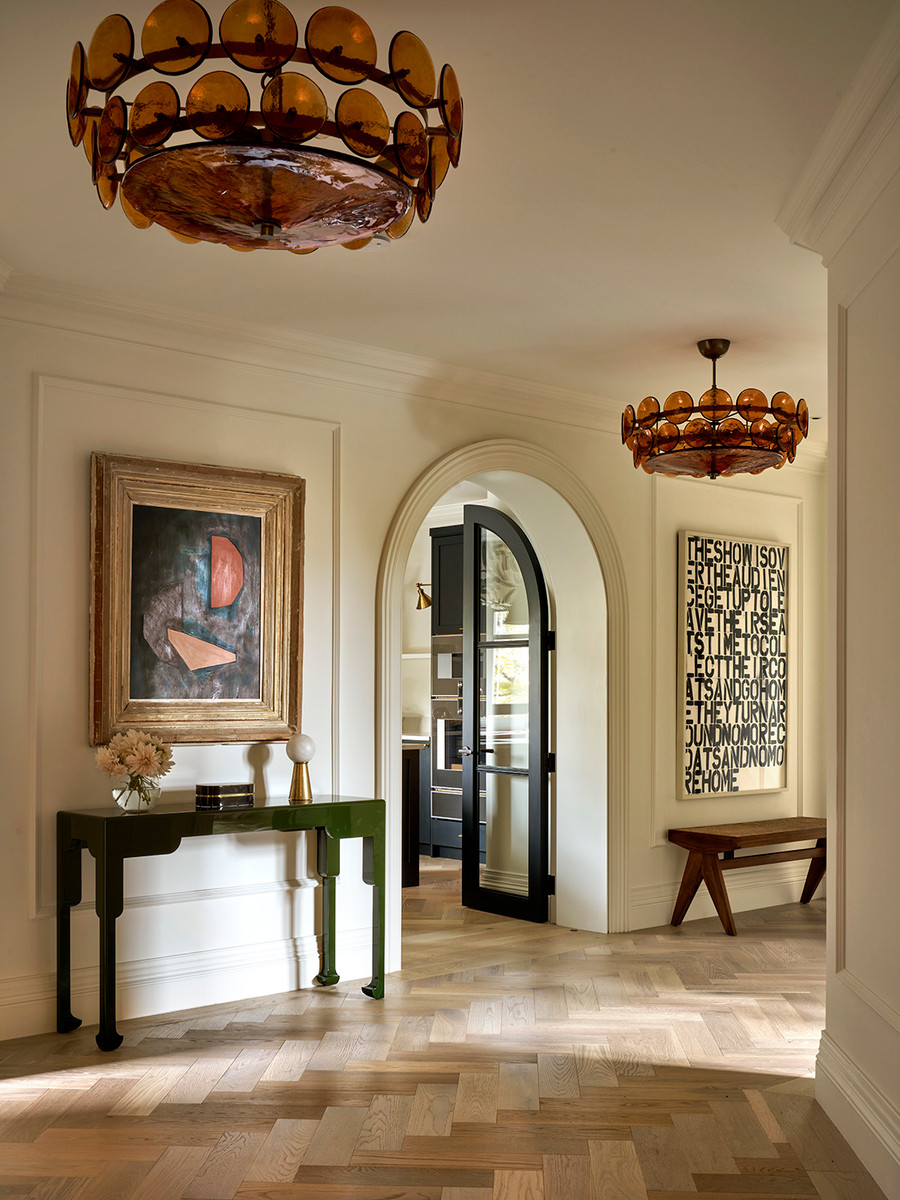
When it comes to art, the same rule applies; resist the urge to match and instead look for contrast. "I have a gallery wall with pieces from very different eras and it's the tension between them that makes it work. Instead of being about harmony, it's about allowing the differences to create a visual conversation," adds Brihi. “And it's often about how you present things. A contemporary piece doesn't necessarily need a contemporary frame; in fact, it can be far more interesting when you subvert that expectation."
He also advises placing artwork somewhere surprising. "I have a painting propped on the end of my kitchen island, which is a deliberately informal decision that makes it more compelling. And expand what you consider art. A ceramic plate, a vintage handbag, an antique textile - you can display these things as you would a painting. Ultimately, it's about trusting your eye."

