


 Back to articles
THE DIGEST
The Art Deco Buying Guide: Five Things Worth Knowing
Bold geometry, exotic veneers, and a cast of designers who changed interiors forever. Here's what to know before you buy vintage Art Deco furniture - and what's worth collecting now.
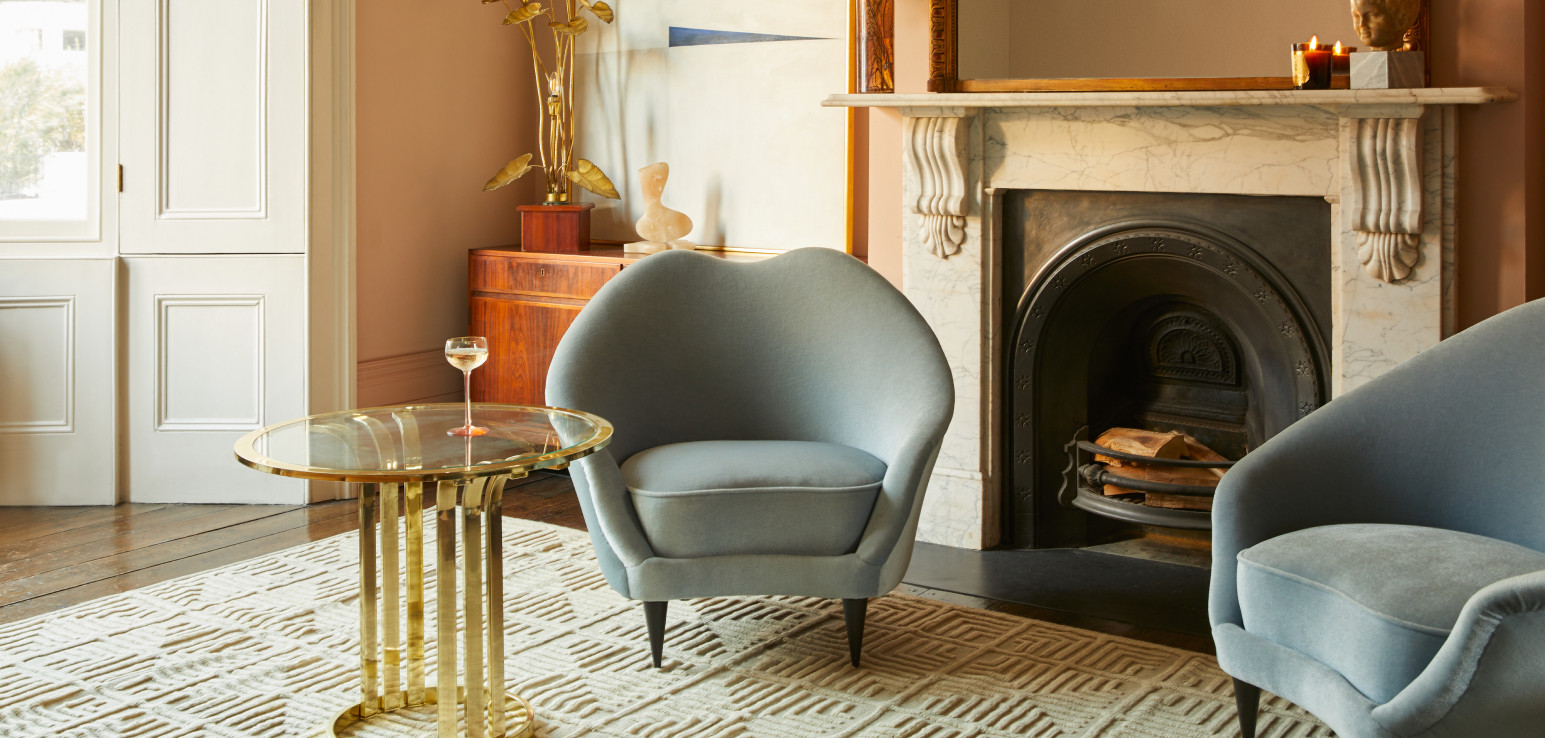
Art Deco is one of those styles that looks immediately obvious, and rewards, on closer inspection, considerably more than it initially suggests. The boldness is unmistakeable - the geometry, the lacquer, the sense that every surface has been considered as a statement. But the period is wider than most people realise, the range of designers more varied, and the difference between an original piece and a later reproduction more consequential than the visual similarity between them might suggest. If you're shopping for vintage Art Deco furniture, here is what it's worth knowing before you buy.
1. Art Deco is a broader church than you might think
The style takes its name from the Exposition Internationale des Arts Décoratifs et Industriels Modernes, held in Paris in 1925; the exhibition that crystallised a visual language already developing across Europe and America in the preceding decade. What it encompasses is wide: French luxury furniture of the 1920s and 30s, often produced in ebony, lacquer, and exotic veneers with a craftsmanship rivalling anything the eighteenth century produced; American Art Deco, which ran its geometry through a more industrial, skyscraper-influenced lens; and a British strand that absorbed both influences into something more restrained. The furniture of Jacques-Émile Ruhlmann, arguably the defining French Art Deco maker, shares almost nothing in register with Paul Frankl's New York Skyscraper bookcases of the same period, even though both are entirely, correctly Art Deco. Knowing which tradition the piece you're looking at comes from is the first discipline of buying well in this category.

2. These materials define Art Deco furniture
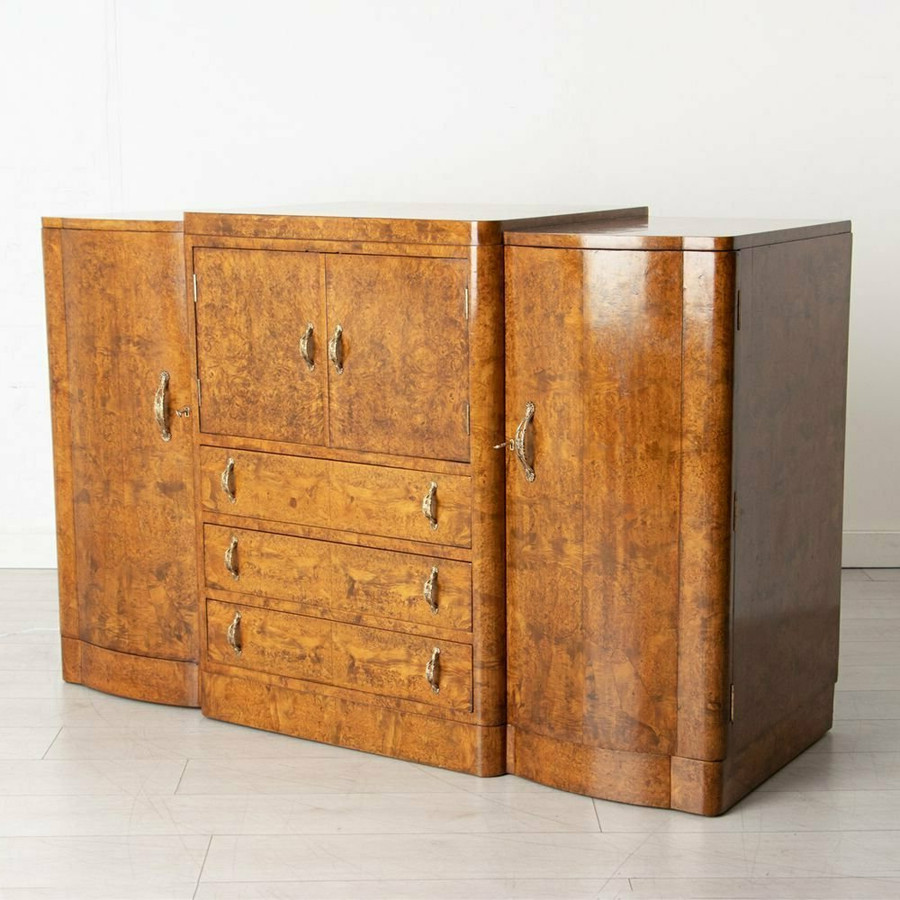
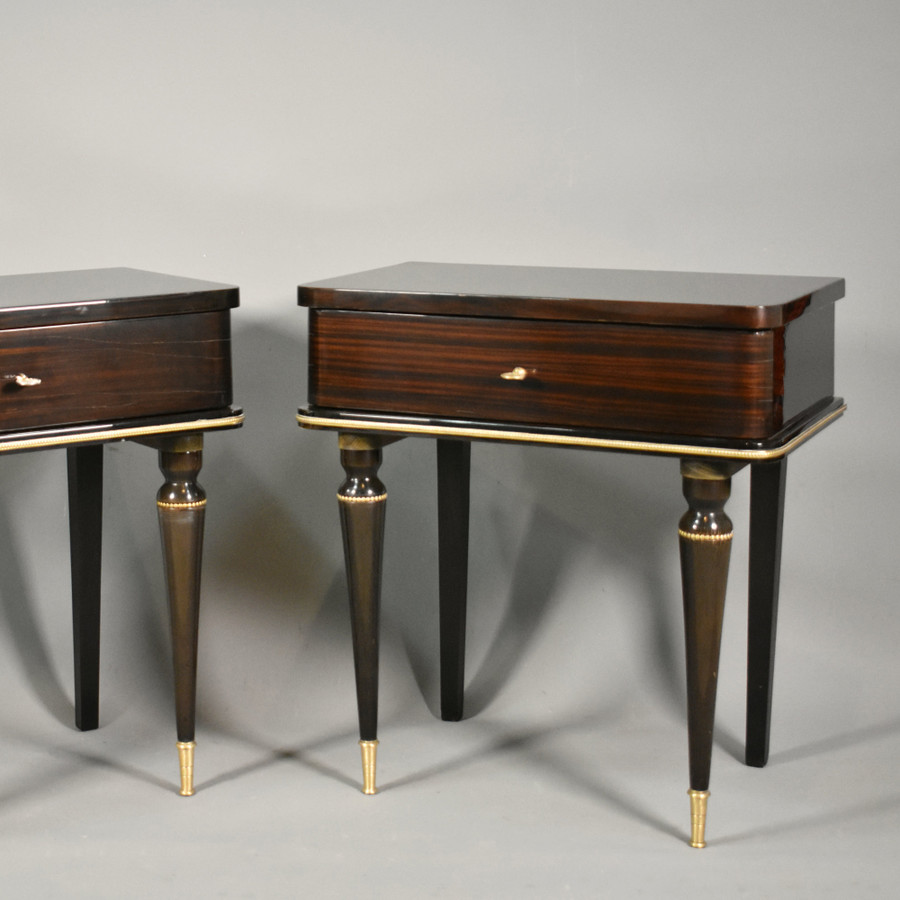
Art Deco furniture talks through its materials more than almost any other style. Zebrano, macassar ebony, bird's-eye maple, burr walnut, rosewood: exotic veneers applied with precision to show off figure and grain. Lacquerwork in black, red, and cream, influenced by Asian traditions and used with an almost architectural confidence. Chrome and glass, particularly in the American and British variants, reflecting the period's infatuation with modernity. Jean Dunand's extraordinary lacquered panels, Jules Leleu's restrained marquetry, Eileen Gray's lacquered screens and side tables - all of them legible first through material. When you find a piece whose materials feel right - rich, specific, deliberate - that's the first signal you're in the right territory. When the materials feel generic or substituted, the piece is worth scrutinising more carefully.
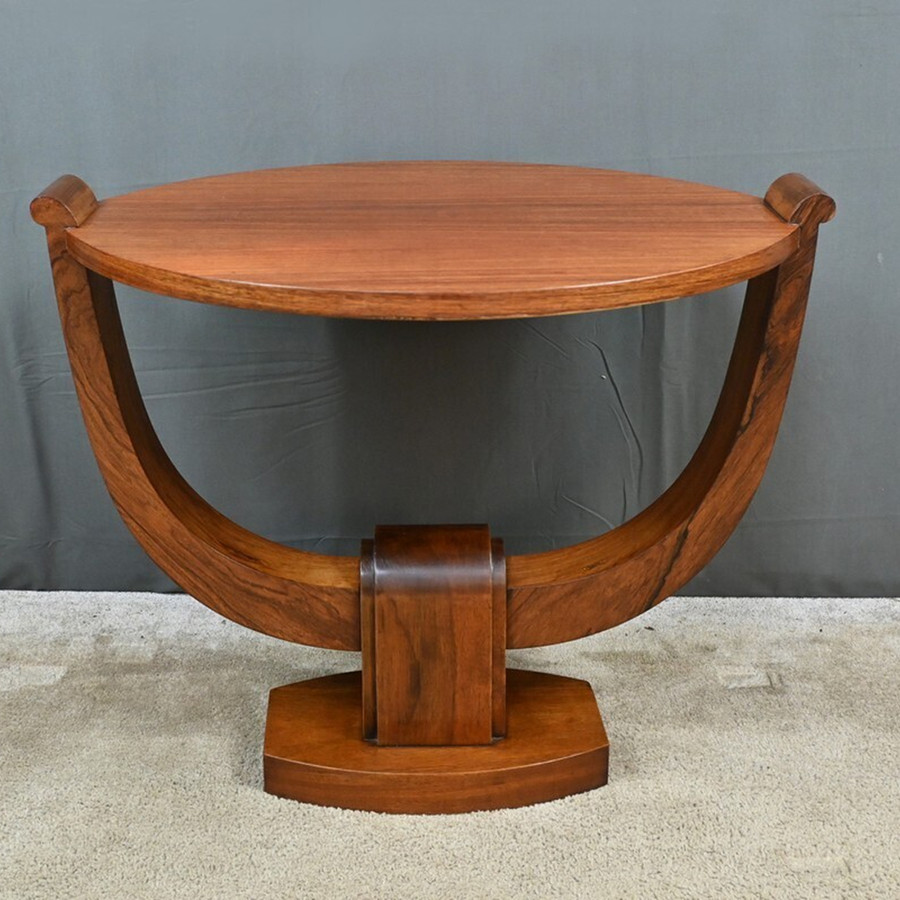
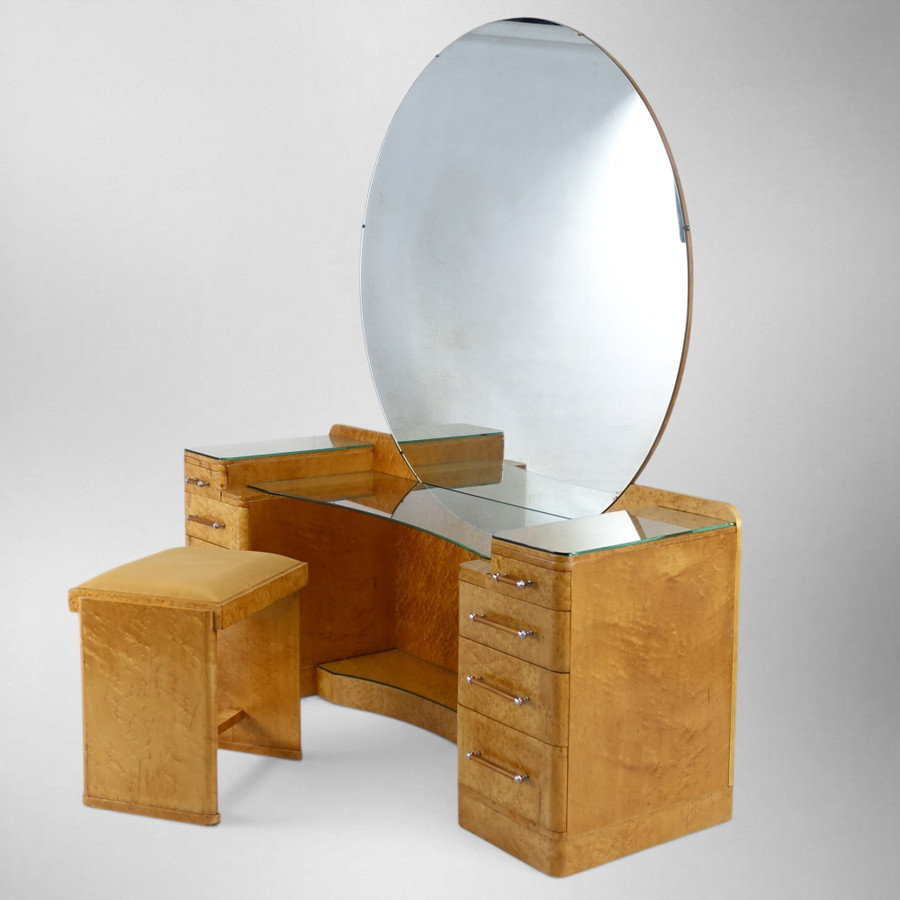
“Knowing which tradition the piece you're looking at comes from is the first discipline of buying well in this category.”
3. Eileen Gray deserves her own paragraph
No list of Art Deco designers is complete without Eileen Gray, and no serious collection of the period should ignore her work. Irish-born, Paris-trained, and consistently overlooked until the latter part of her long life, Gray produced furniture that combined Art Deco's formal confidence with a functionalism well ahead of its moment. Her E.1027 side table - adjustable in height, designed to slide over a daybed - is one of the most copied designs of the twentieth century. Her Bibendum chair, with its circular upholstered armrests, is a piece that occupies the space between sculpture and furniture with complete ease. For many buyers, authorised re-editions are the right route - the design in your home, made to the same specification. Original pieces appear infrequently and at serious auction prices: museum-level acquisitions for buyers in that position.
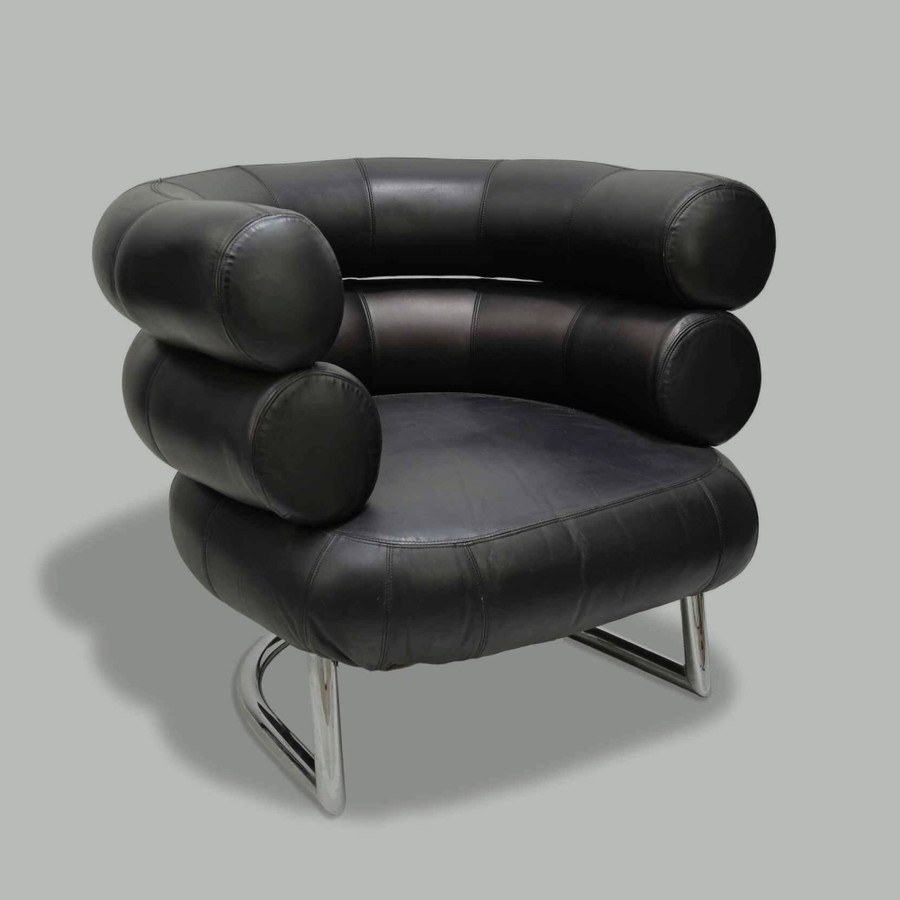

4. Reproductions of Art Deco are everywhere - and not always a problem
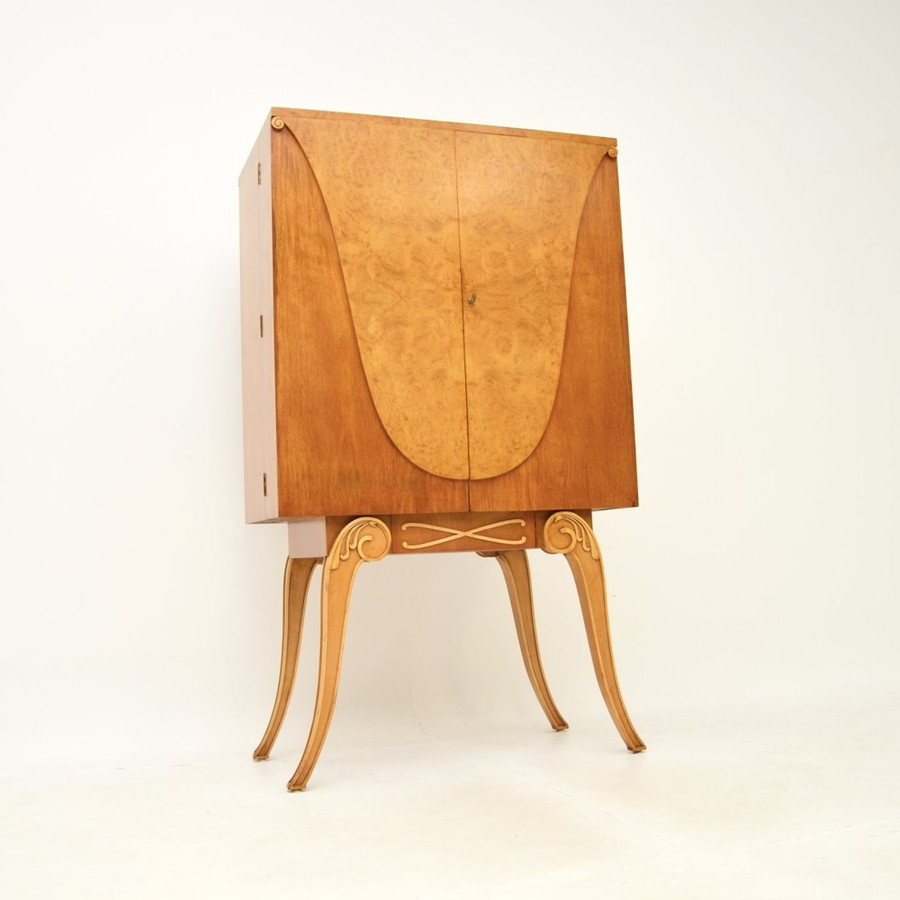
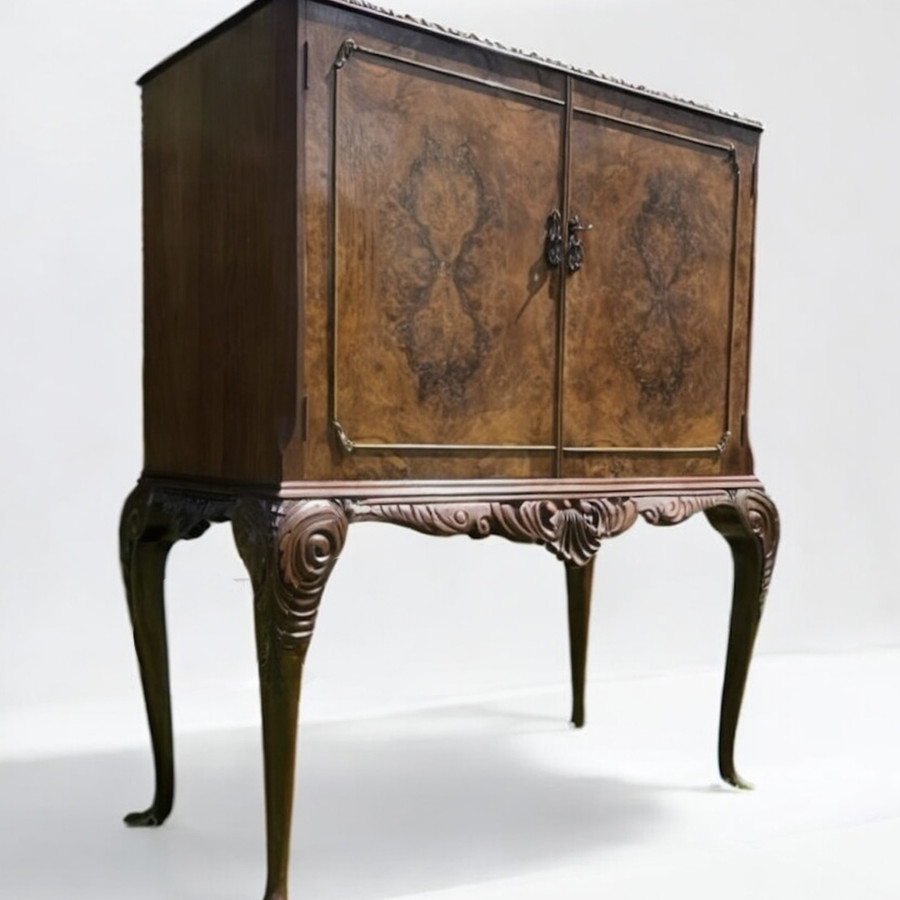
Art Deco's bold geometries and use of industrial materials made it well-suited to reproduction, which means the market is generously supplied with pieces made in the style without being of the period. A well-made 1980s reproduction of an Art Deco cocktail cabinet in correct materials is a different thing from an original 1930s piece, but it can still be a good piece of furniture. The issue arises when a reproduction is presented or priced as an original. Signs that a piece is genuinely period: evidence of hand craftsmanship at the joints and veneers, appropriate wear at contact points (handles, edges, feet), materials consistent with the period, and, ideally, provenance documentation. Signs to treat with scepticism: machine-perfect veneer with no variation, hardware that looks new, construction methods inconsistent with pre-war cabinetry.
5. The mid-market is often where the real value is
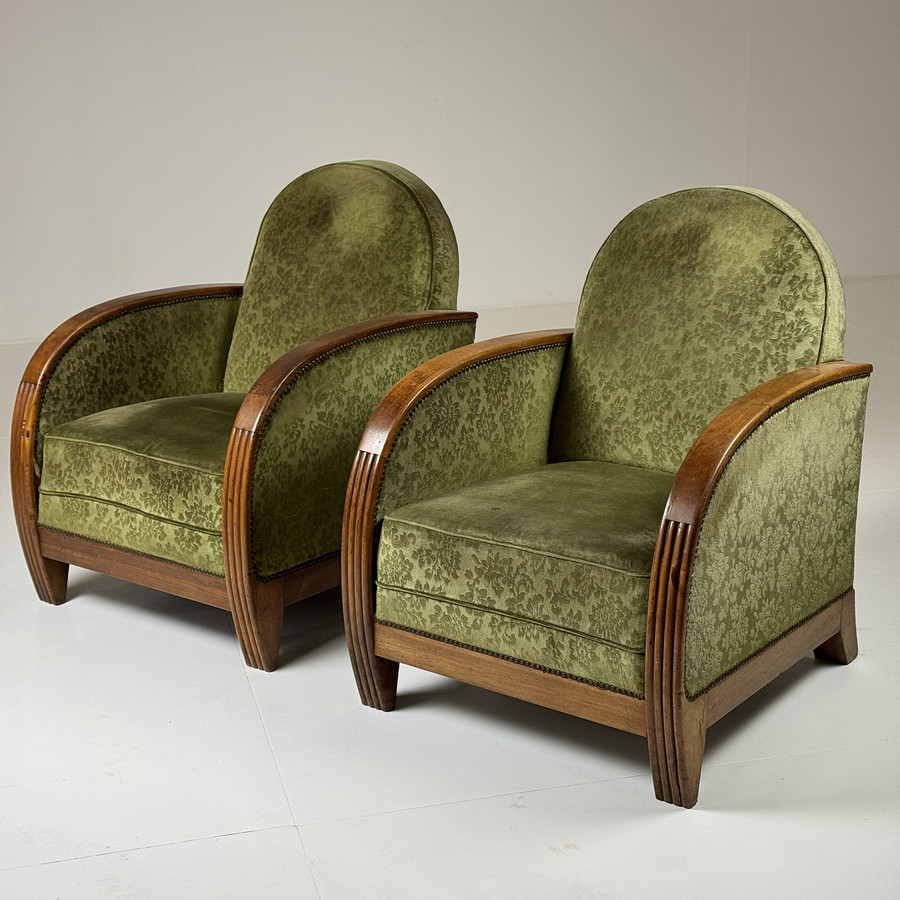
The great names - Ruhlmann, Gray, Donald Deskey, Gilbert Rohde - produce pieces that, when they appear, require serious investment. But Art Deco furniture exists at every price point, and the mid-range is particularly rewarding for buyers who know what they're looking at. British Art Deco cocktail cabinets, occasional tables with strong geometric inlay, upholstered armchairs with the characteristic stepped or curved back forms of the period: these appear regularly on the vintage market at prices that reflect their decorative quality without yet reflecting the full historical significance of the style. The period produced enormous quantities of well-made, commercially produced furniture that absorbed the aesthetic vocabulary of the Paris luxury makers and brought it into ordinary homes.
Worth asking…
1. Which Art Deco designers are most collectible?
Start with Jacques-Émile Ruhlmann, the defining French maker of the period. Eileen Gray for the most radical thinking of the era. Paul Frankl for American Deco. Jules Leleu for restrained marquetry. Each represents a distinct strand of the style, and a different entry point depending on what you're drawn to.
2. Is vintage Art Deco furniture a good investment?
The mid-market is currently undervalued relative to the historical weight of the period. Pieces that absorbed the aesthetic of the Paris luxury makers, without yet carrying full collector-market recognition, represent genuine value for buyers who know what to look for.
3. Are Art Deco reproductions worth buying?
A well-made 1980s reproduction in period-appropriate materials is still a good piece of furniture. The issue isn't reproduction, it's misrepresentation. If a piece is priced and sold as an original, that's a different conversation. Know what you're buying and pay accordingly.
4. How do I know if Art Deco furniture is original?
Look for hand-finished joinery, appropriate wear at contact points, period-consistent materials, and provenance documentation. Machine-perfect veneer and new-looking hardware are the most common signs of a later reproduction.
Shop vintage Art Deco furniture on Vinterior with our trusted sellers.

