


 Back to articles
THE DIGEST
How to Use Vintage Furniture in Your Living Room
You don't need to start from scratch. Here's how to bring vintage into your living room - whether you're adding one piece or building an entire room around it.
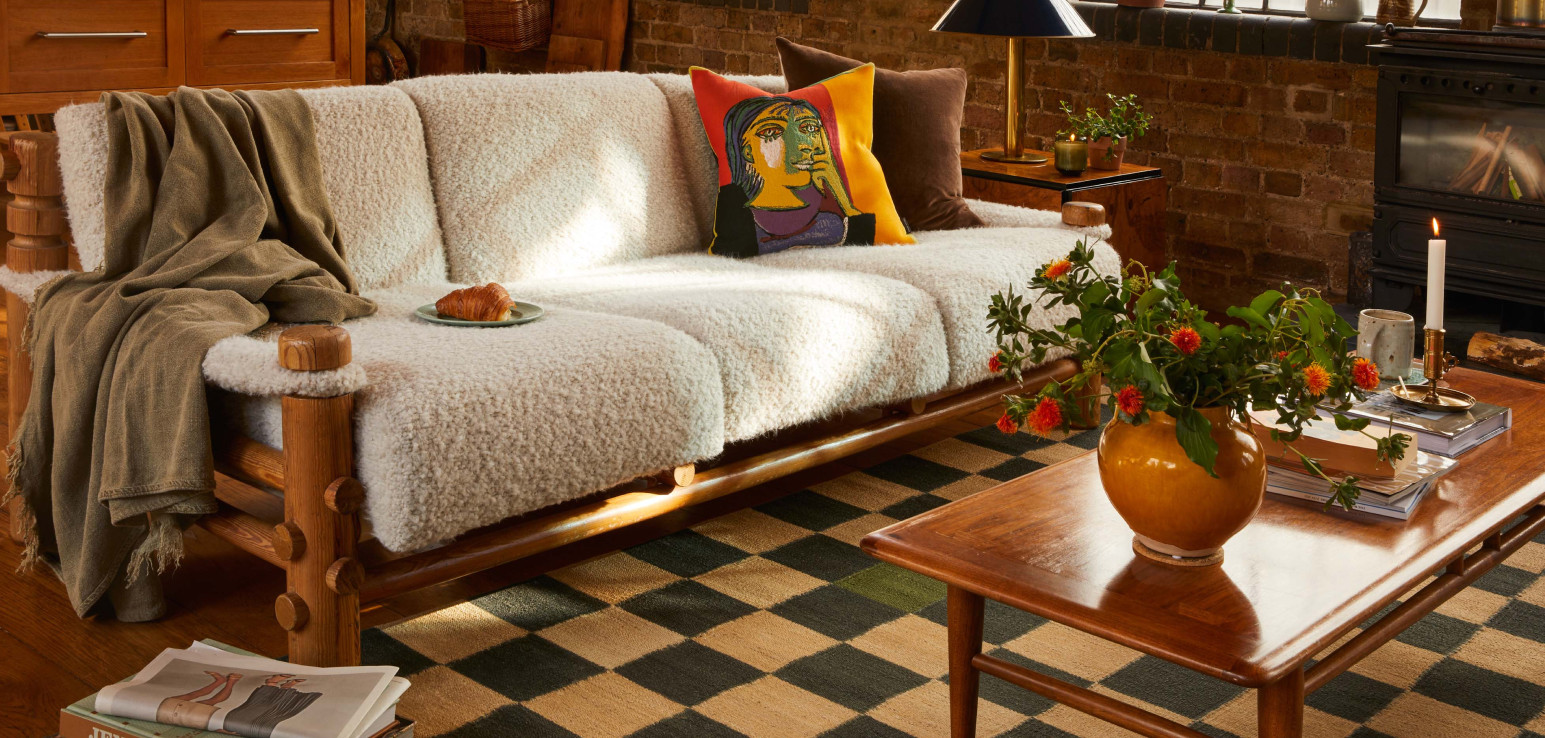
Most people don't redesign their living room, it evolves over time. A chair replaces another chair. A sideboard replaces a flat-pack unit. A rug arrives and the room suddenly looks like itself. The shift toward vintage tends to happen the same way - gradually, and then all at once.
You don't need to start from zero to use vintage well, however it helps to understand what vintage does to a room that new furniture cannot, and where each piece will do the most work.
What vintage brings to a living room
The case for vintage furniture is sometimes made on sustainability grounds, and sometimes on price. Both are valid. But neither is the real reason the rooms that last tend to contain it.
Vintage furniture was, in most cases, built to different standards than what is made today. The solid teak sideboard from the 1960s, the upholstered lounge chair from a 1970s Italian workshop, the hand-knotted rug that has already lived in three homes; these are objects that were designed to age. The patina on them is evidence rather than a defect.
There is also something harder to quantify. A room furnished entirely with new pieces can look finished from the day it is completed, and then stay that way. A room with vintage in it looks lived-in from the start, because in a real sense it already has been. Acquiring furniture from different eras and places, mixing expensive and inexpensive, gives a room genuine spirit that a single-brand fit-out cannot manufacture.
The question is not whether to use vintage. It is how, and where.
Start with your living room as it is
Before adding any vintage piece, it is worth being honest about what the room is currently doing, and what you want it to do.
The living room is the most contested space in a home. It is asked to do more than any other room. For a couple in their thirties, it might need to feel expansive and calm on a Sunday, and easy to clear for friends on a Friday. For a family, it might double as a playroom. For someone living alone, it might be the only room that really matters; the one where a single great armchair and a good lamp can do more for daily life than an entire kitchen renovation. The way you introduce vintage should follow from the way you live, not from the way the room looks in photographs.
Size matters too, but differently than most people assume. A small room does not need fewer vintage pieces, but rather thoughtfully chosen ones - pieces that earn their place and do not compete. A large room does not need more. It needs an anchor, something to give the space definition and stop it feeling like a hotel lobby.
If you are introducing vintage into an existing living room, one piece will often do more than a full refresh. The question is which one.
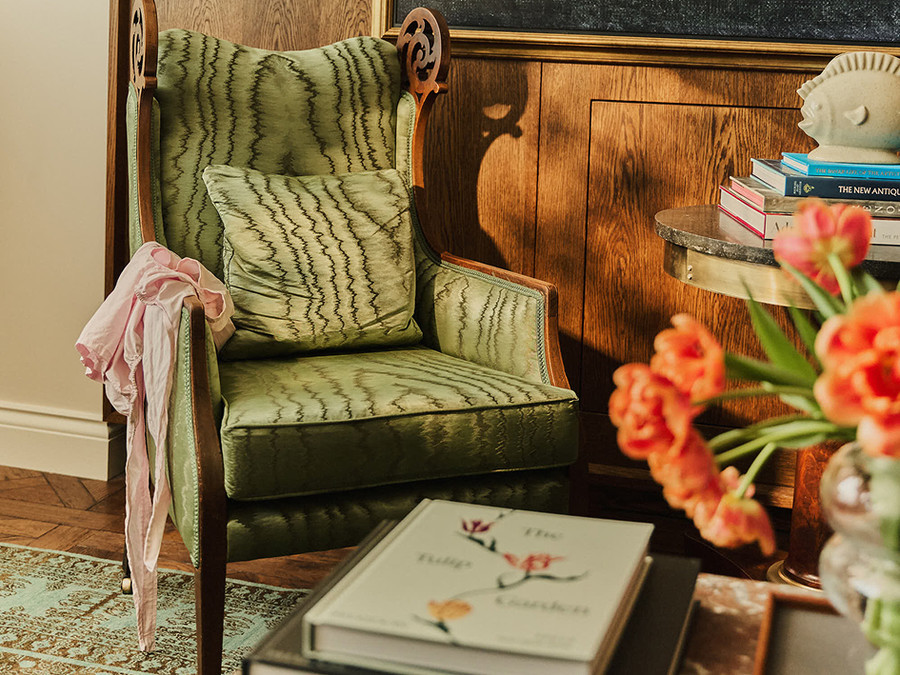
The lounge chair is the highest-return single purchase in a living room. Of all the furniture in the space, it does the most for the least square footage - it creates a second zone, gives the room personality, and signals immediately that the space has been thought about. A Wegner Papa Bear, a Børge Mogensen Spanish chair, a 1970s Italian leather lounge with the right proportions: any of these will change a room around it. The instinct is to buy a matching pair., however a single great chair is better than two mediocre ones, and far better than a matched suite that drains the room of character.
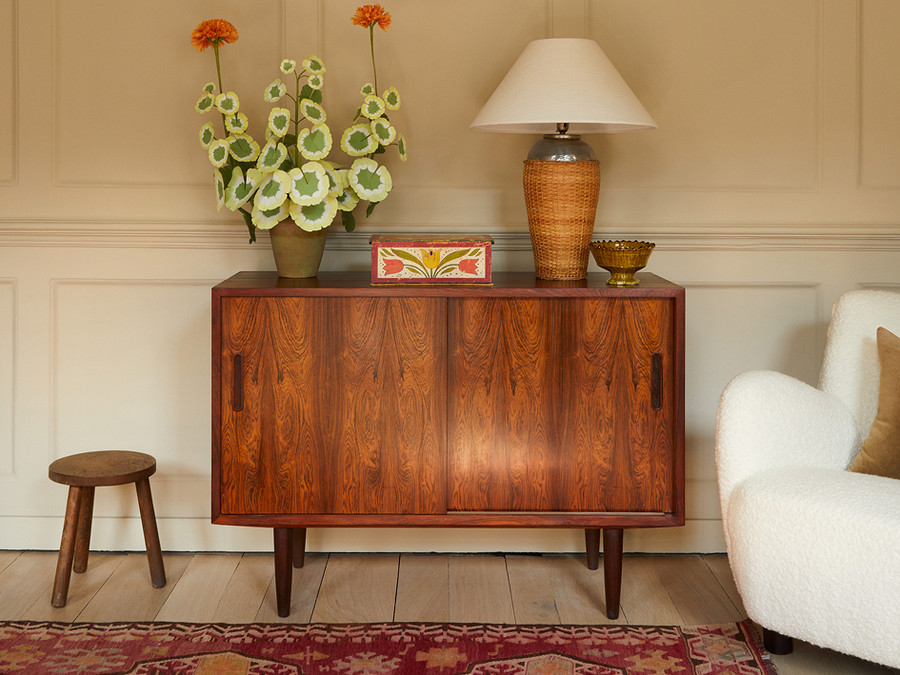
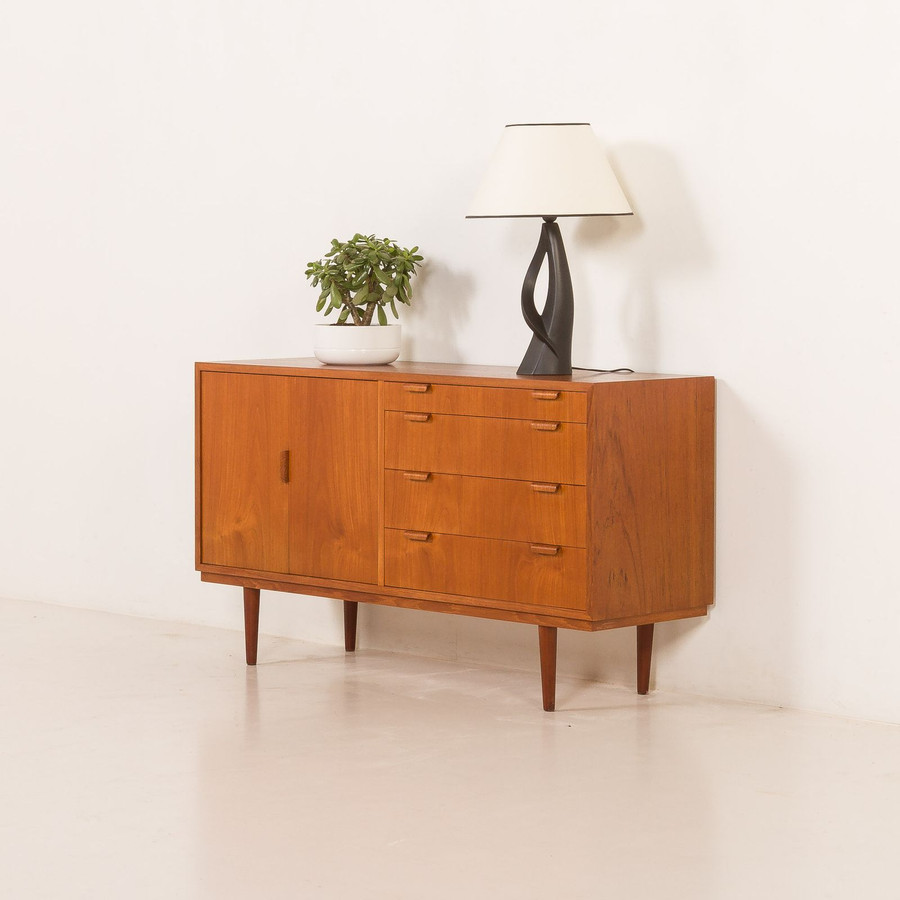
The sideboard transforms a room's architecture. Every living room benefits from a strong horizontal along its longest wall, and a sideboard provides it, somewhere for the eye to land, for lamps and objects and the clutter of real life to sit without disorder. A 1960s teak sideboard in the G Plan or Danish idiom is the most reliable starting point. Makers like A. Younger, Beresford & Hicks and Vanson produced beautifully proportioned versions that still turn up regularly on the vintage market. This is also where to be willing to spend. A great sideboard rewards every other decision in the room.
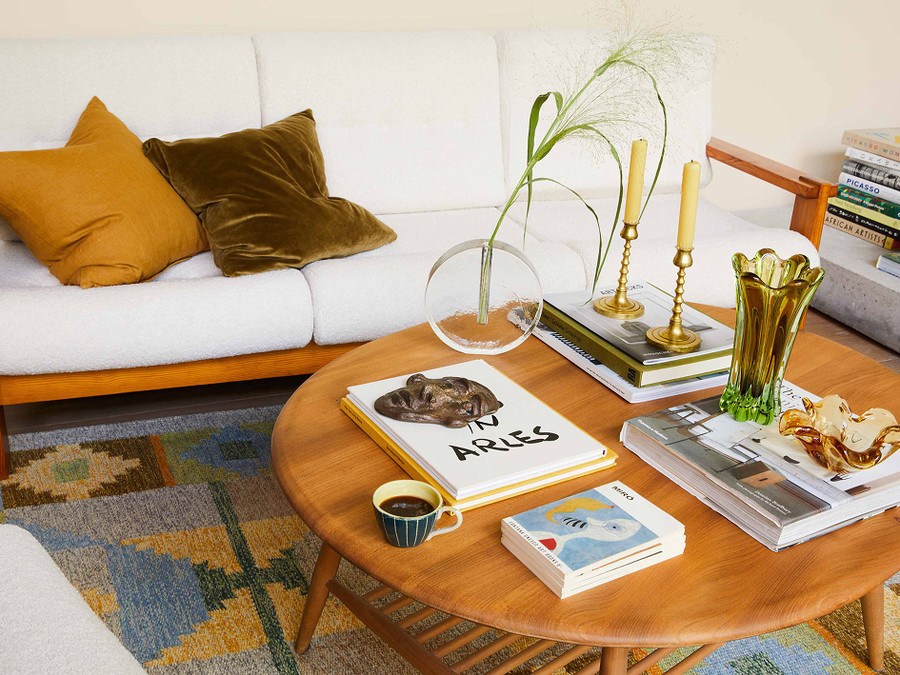
A vintage rug is the fastest way to change how a room feels without replacing any furniture. A machine-made rug sits under the furniture. A vintage rug - an antique Persian, a Turkish kilim, a hand-knotted Moroccan Beni Ourain - becomes the room's foundation. The single most common rug mistake, in living rooms of every kind, is buying one too small. The front legs of the sofa and the chair should land on it. If they do not, the rug reads as an accessory rather than the base it is supposed to be.
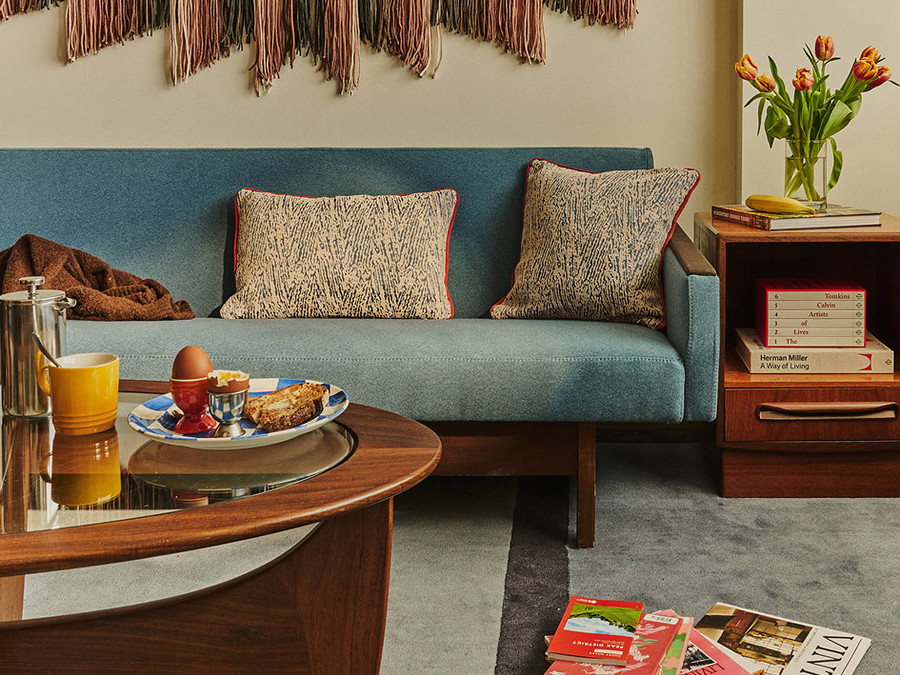
The sofa is the emotional centre of the living room. Le Corbusier once said "Chairs are architecture, sofas are bourgeois." He was being provocative - and then promptly designed his own, the LC-2 and LC-3, both of which remain among the most recognisable sofas of the twentieth century. It is where people gather, where they stay longer than they intended.
Vintage sofas can be difficult. Upholstery ages faster than wood, and forty-year-old foam fill is rarely worth keeping. The honest approach, if you want vintage here, is to find a frame worth reupholstering - the proportions and craftsmanship of a 1960s or 1970s sofa are frequently superior to anything made today - and budget for new upholstery alongside it. Look for low-backed frames from the 1960s and 70s. Danish or Italian origins tend to mean better construction, and visible legs rather than a skirted base. Original upholstery that reveals the proportions even if you plan to replace it.
Introducing vintage to a room
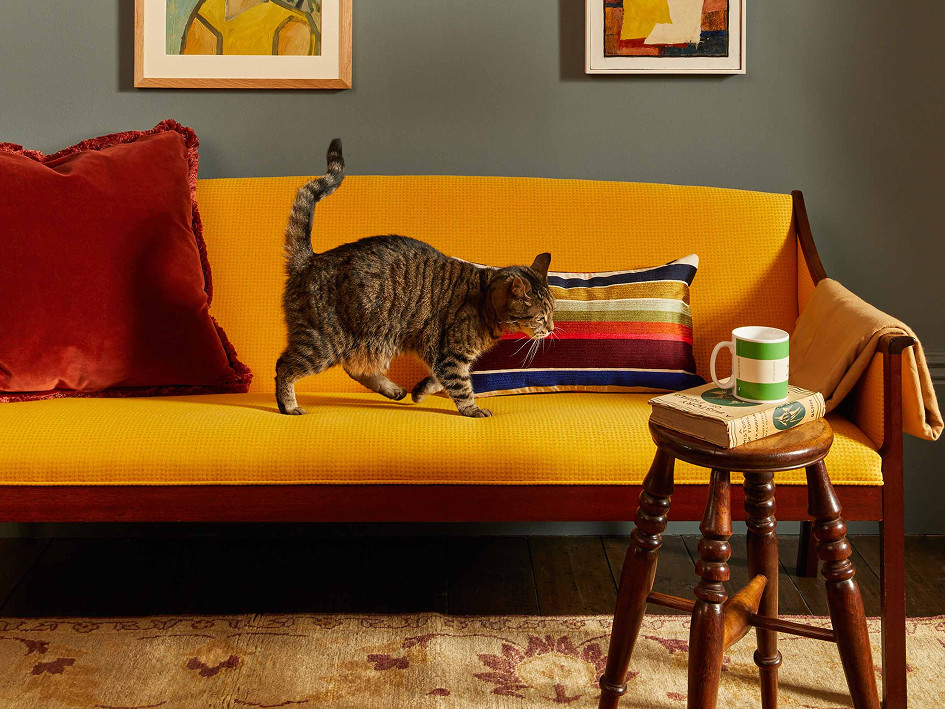
Vintage mixes well with modern furniture, but it does so more convincingly when the contrast is deliberate rather than accidental.
A low, teak mid-century sideboard against a white wall next to a contemporary sofa is a considered pairing. The same sideboard next to a brown leather three-piece suite from 2008 is a collision. The difference is not the vintage piece. It is whether the room has been edited to let it breathe. A few principles that hold across most combinations:
Wood finishes read across eras. Teak, oak, walnut - these bridge mid-century pieces and contemporary ones without effort. Painted wood or lacquer can too, if the palette is consistent. Where combinations fail, it is often because too many different wood tones are competing.
Proportion matters more than period. A 1960s lounge chair and a modern sofa will coexist if they share similar seat heights and scales. A mismatch in proportion is harder to read past than a mismatch in era.
One point of view is enough. A room does not need to be entirely vintage to feel considered. It needs one piece, or a zone, that has a clear point of view, and the discipline not to contradict it.
The discipline of editing
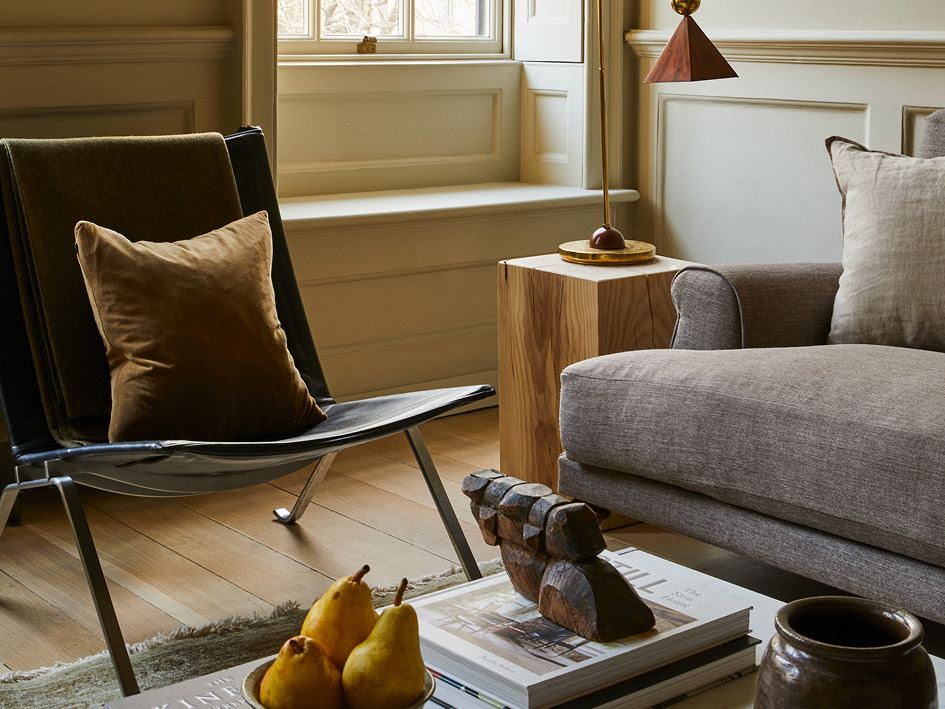
The temptation, once a few vintage pieces are in place, is to keep adding. Another lamp. A sculptural object on the sideboard. A second occasional table.
As Charles Eames understood better than almost anyone: "The details are not the details. They make the design." A room with six well-chosen pieces and nothing superfluous will feel more complete than one with twelve, half of which are merely present. The rooms that use vintage best are not the ones that use the most of it. They are the ones that chose carefully, edited honestly, and let the pieces they kept do the work they were built to do.
Nothing in a room like that was chosen to be fashionable. Which is precisely why it does not date.
Feeling inspired?
Browse all vintage living room furniture on Vinterior.

