


 Back to articles
THE DIGEST
Going Bold: The Statement Piece, Room by Room
One piece. That's all it takes. Here's how to find it, where to put it, and why the right vintage statement piece does more for a room than a full scheme ever could.
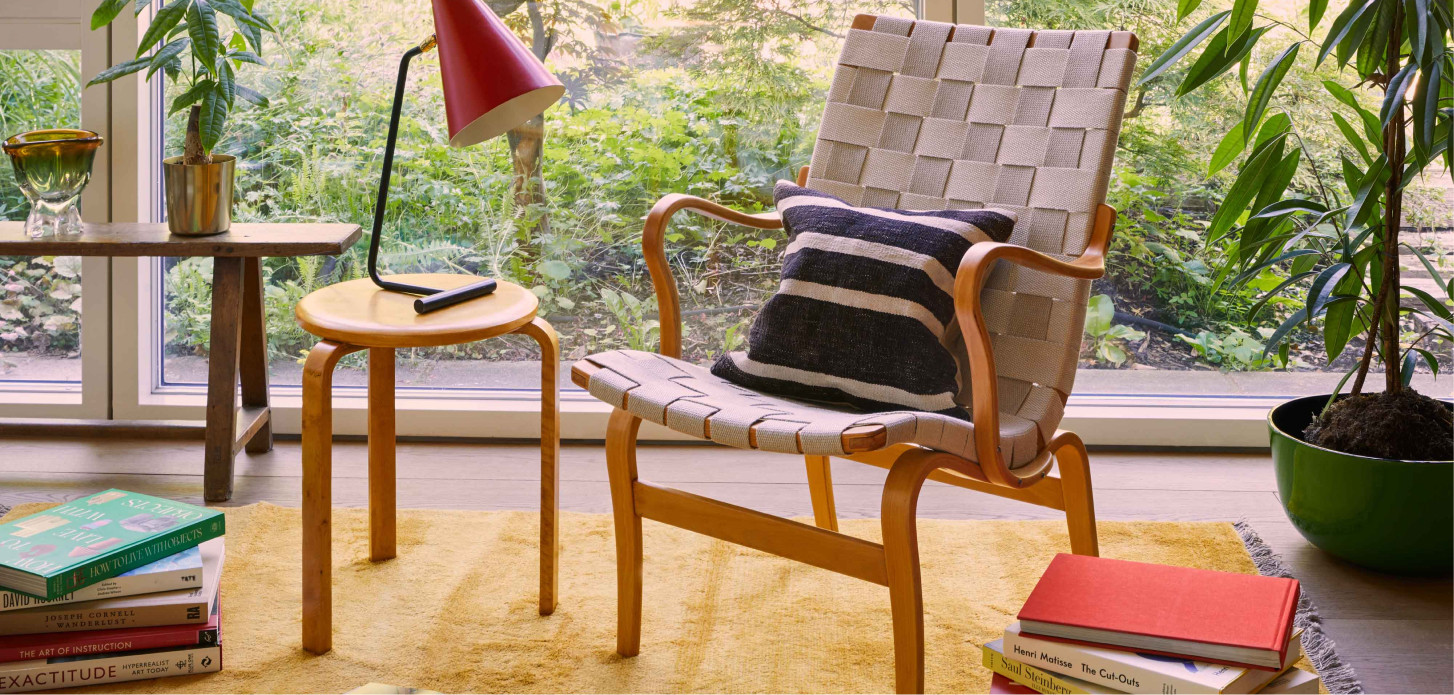
There's a certain kind of room that doesn't need explaining. You walk in, and something commands your attention before you've registered anything else. Not because the space is loud, but because one piece has done the work of a whole interior. That's the logic of the statement piece: less total effort, more total impact.
The opposite is also true. A room furnished entirely in considered, tasteful pieces can end up saying nothing at all. Safe choices, added together, equal silence.
Going bold doesn't mean going maximalist. It means having the conviction to let one piece speak, and the restraint to let it.
The living room: the chair that changes everything
The living room is where statement pieces earn their keep most visibly. It's the room where people linger, look around, and form their first impression of your taste.
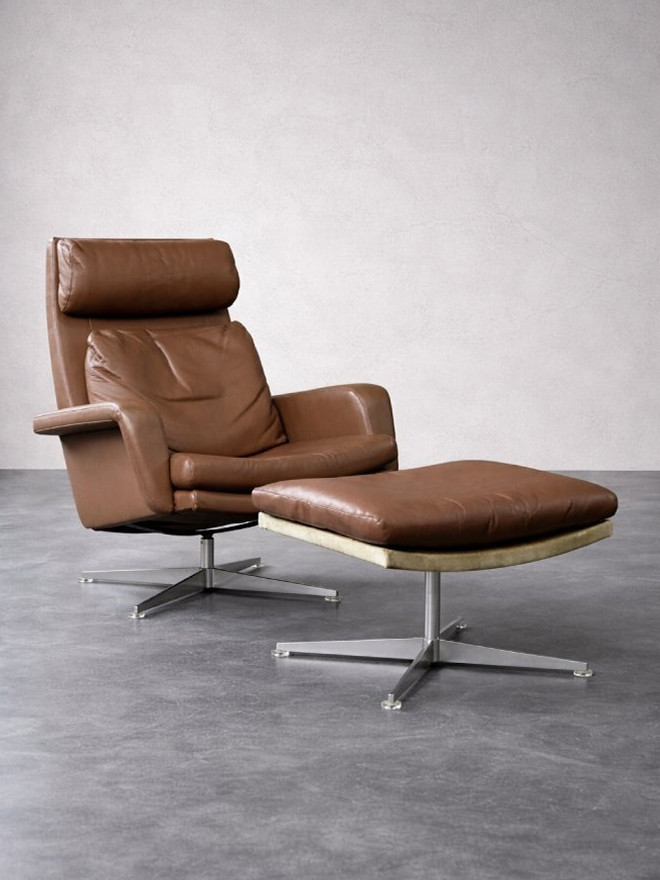
The most consistently powerful move is the chair. Not the sofa, which anchors the room through necessity, but the chair you didn't strictly need. A mid-century swivel chair in particular has an almost unfair amount of presence: the rotational silhouette, the period confidence, the way it invites you to sit and survey the room as though you own it. Mid-Century Modern has had its moment for a while now.
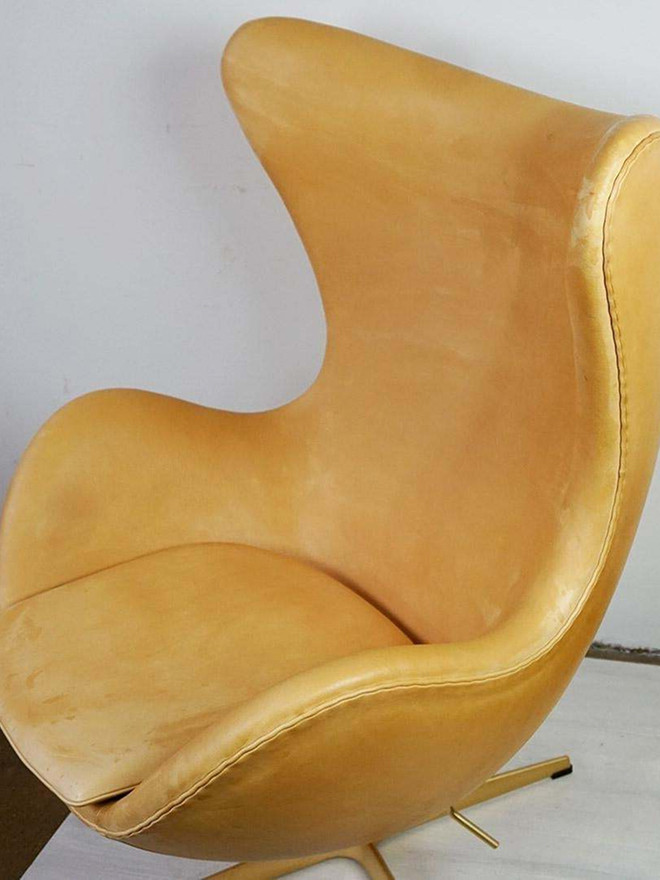
For something more sculptural, the Arne Jacobsen Egg chair remains one of the most recognisable statement pieces in the canon. It works in almost any room and against almost any backdrop, which is its particular genius. The shape is so complete it needs nothing around it.
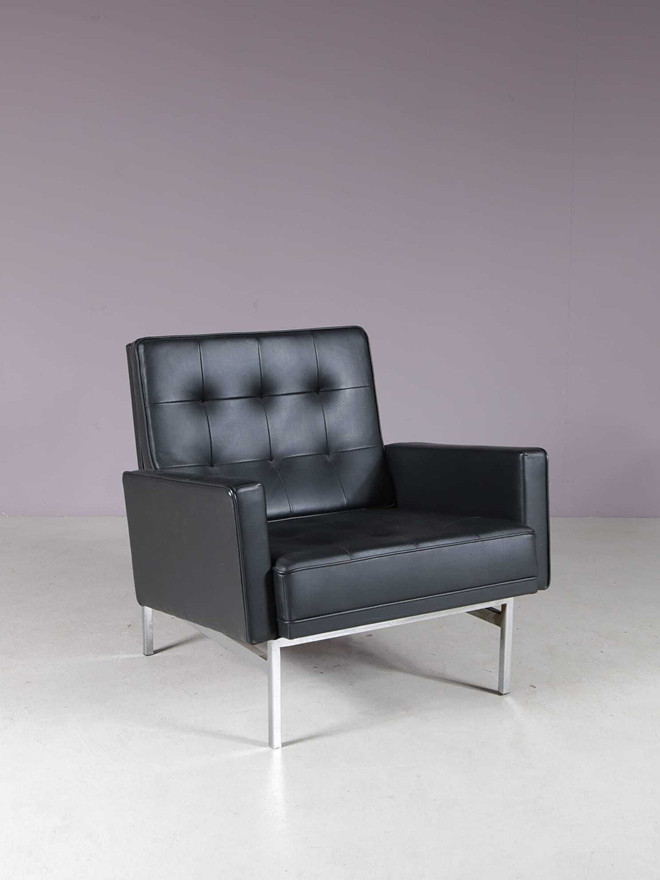
If you want an opinionated angle, look at what Florence Knoll designed, particularly her lounge seating. Knoll's work has been having a significant moment this year, part of a broader renewed interest in the women who shaped mid-century design. (Charlotte Perriand and Grete Jalk are worth following down the same rabbit hole.)
The rule here: one bold chair, walls that don't compete, and space around it to breathe.
The dining room: the table that sets the tone
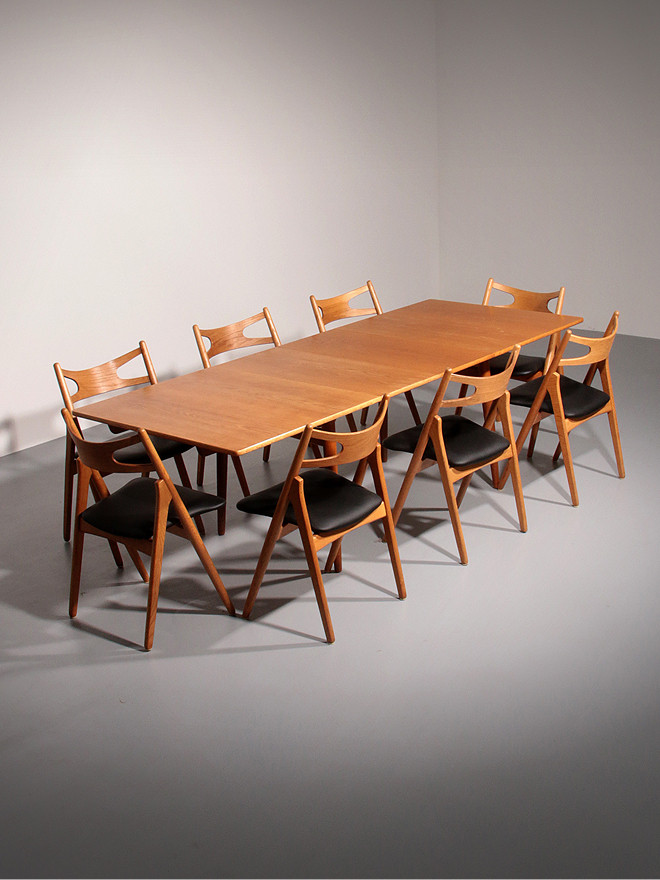
Dining rooms lend themselves to statement-making more than most. You're gathered around a single object. The furniture has to work harder.
Hans Wegner dining chairs are the kind of pieces that shift a dining room from functional to intentional. The craft detail in Wegner's chairs (the way the joinery is the decoration) makes them the piece that guests ask about. There's no need for anything else to be interesting.
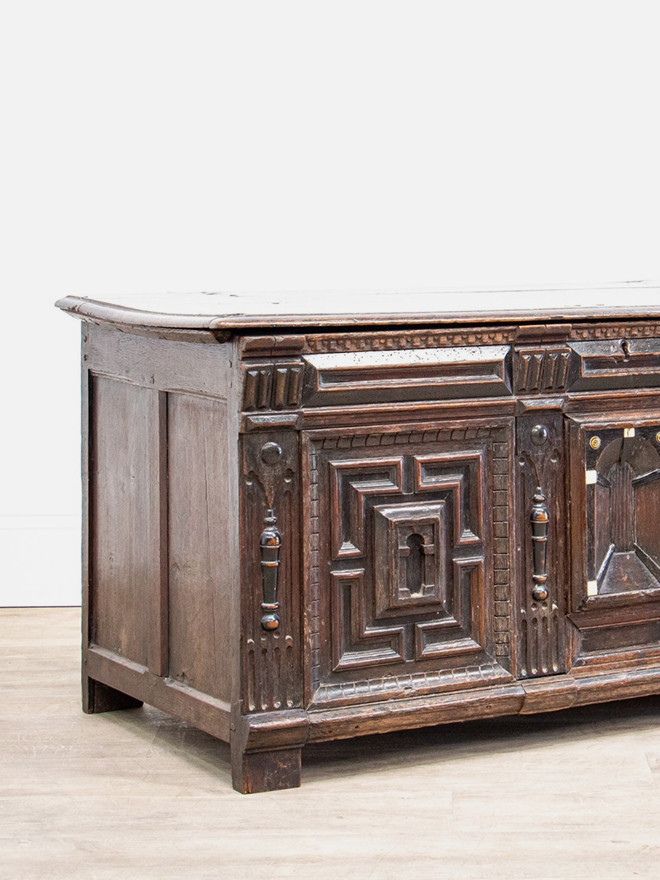
For something more unexpected, consider the antique coffer used not as storage but as a low console or sideboard. A genuinely old piece at the edge of a dining space grounds the whole room in something with a longer story. The contrast between a worn, hand-finished coffer and a contemporary dining table is exactly the kind of collision that makes a room feel considered rather than curated.
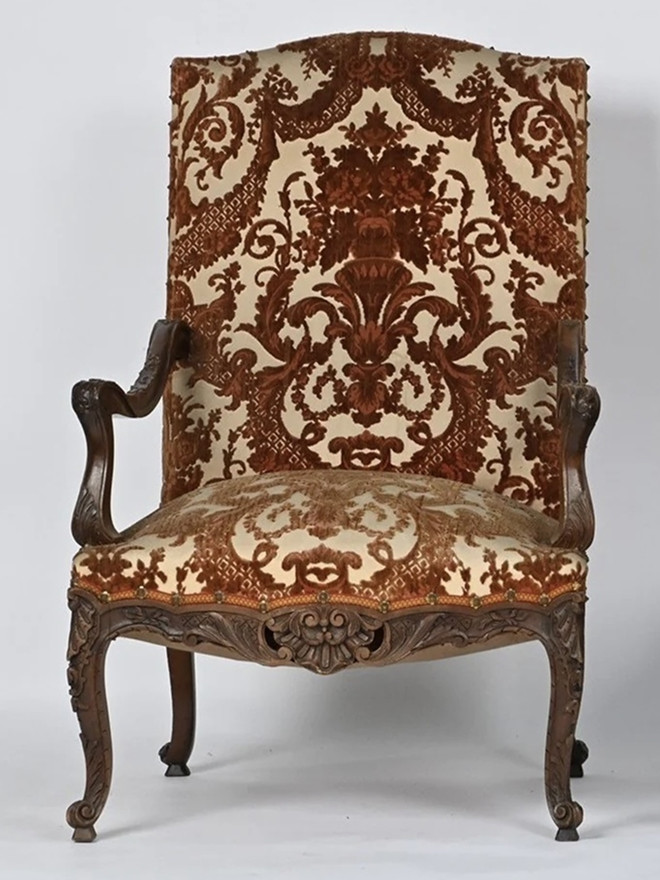
Louis XVI style furniture speaks to an appetite for something more decorative and French-inflected. A single Louis XVI chair at the head of the table (the rest more pared back) is a small move with an outsized effect.
The bedroom: quiet drama
The bedroom statement piece works differently from any other room. The drama should be quieter, the scale more considered. Nobody wants to wake up opposite something that demands attention before coffee.
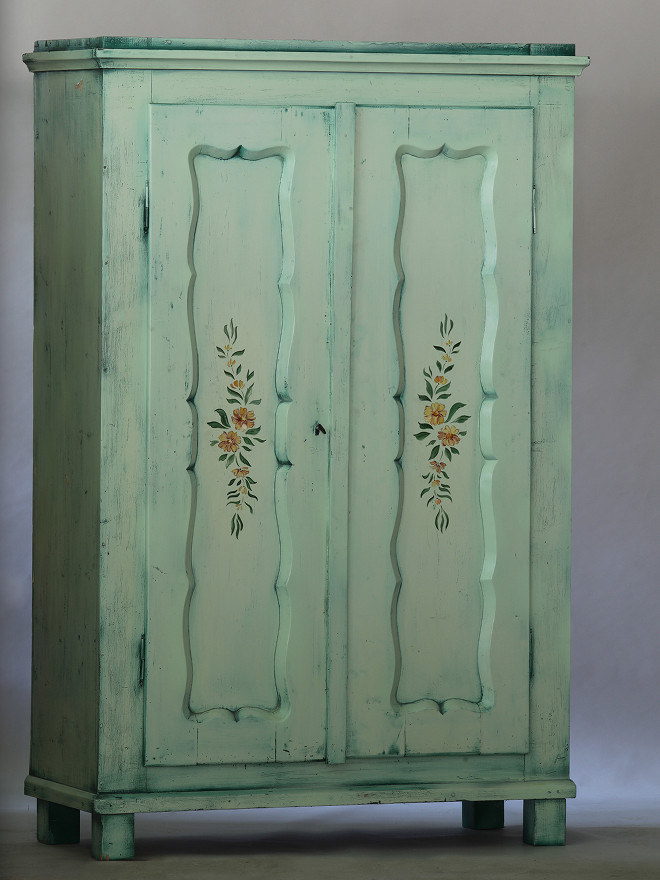
The antique white wardrobe is one of the best decisions you can make in a bedroom. A wardrobe is the largest piece of furniture in most bedrooms. Getting it right (finding one with real age and character, rather than a reproduction finish) changes the entire room. It becomes the piece the rest of the space is built around rather than the piece that compromises it.
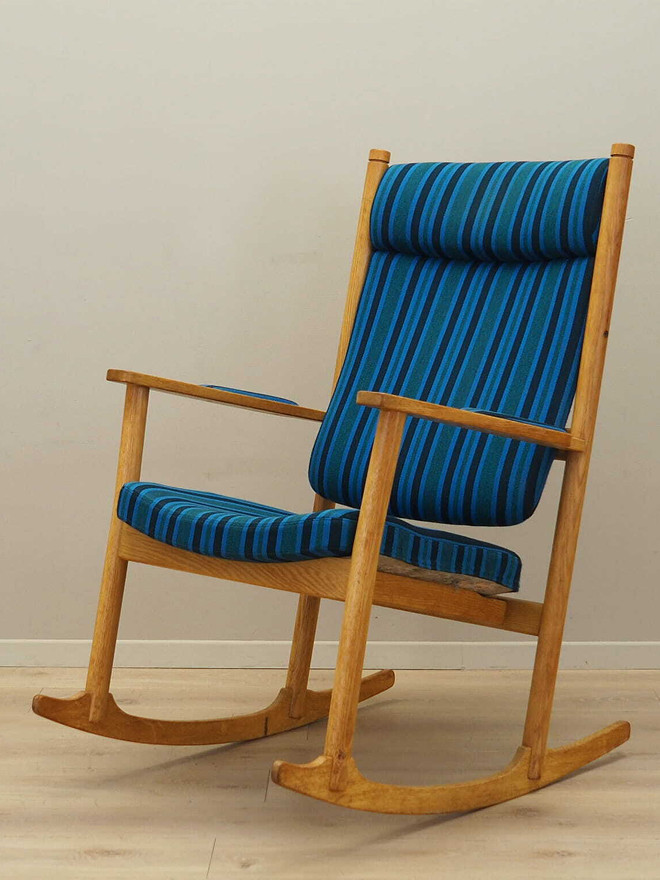
Kurt Ostervig furniture brings a particular quality to a bedroom: Danish, mid-century, precise without being cold. A single Ostervig chest or bedside chest creates a focal point without ever becoming theatrical.
The principle in the bedroom: bold in quality and provenance, restrained in noise.
The home office: the desk as character
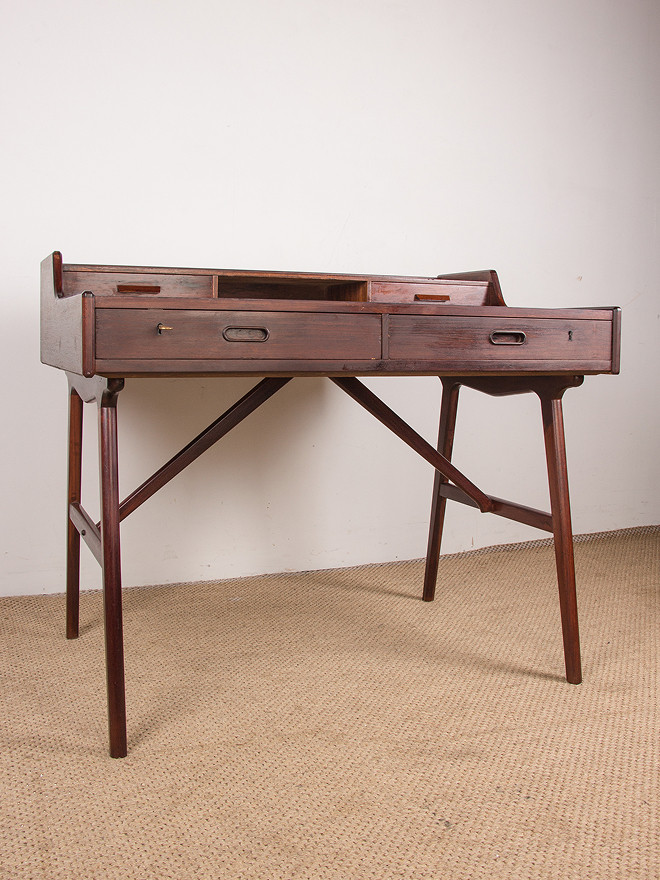
The home office has been due a proper rethink for a few years now. The desk is the obvious place to start, and the right vintage piece does more than a functional one ever could: not flat-pack, not minimal, but something with real presence.
A characterful vintage desk is one of the more quietly persuasive statement pieces in any home. It shapes how you work and how your workspace looks to everyone else. Cassina pieces often bring exactly the right quality here: serious furniture design, but liveable.
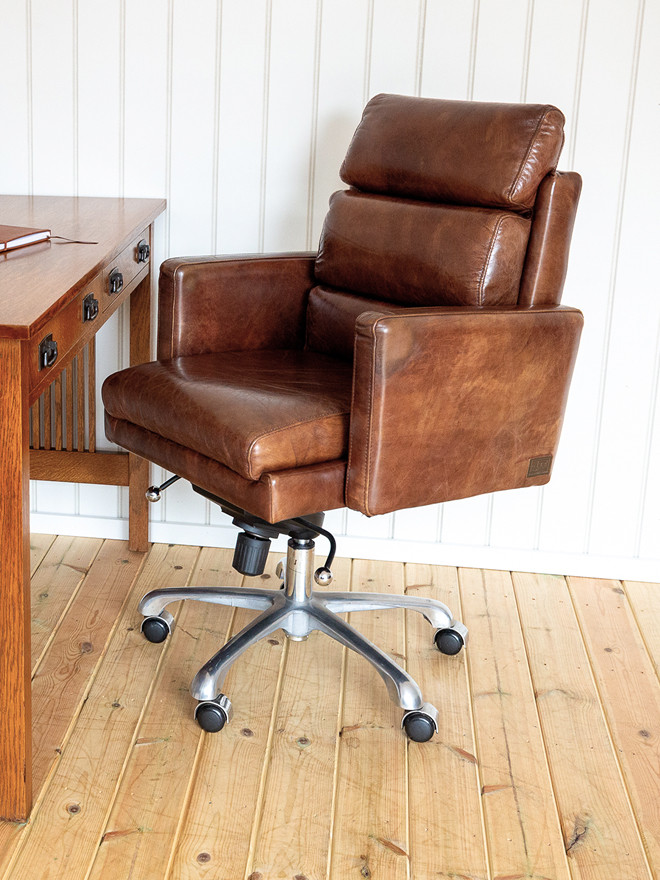
If the desk is the statement, let the chair earn its place beside it. Timothy Oulton's leather and industrial-inflected designs have a particular quality in a study setting, where the materials and craft become the point.
The garden: taking it outside
The statement piece logic works as well outside as in. A vintage rattan deck chair, a proper garden bench with some age to it, an outdoor dining table with a history: these are pieces that do in a garden what a great chair does in a living room.
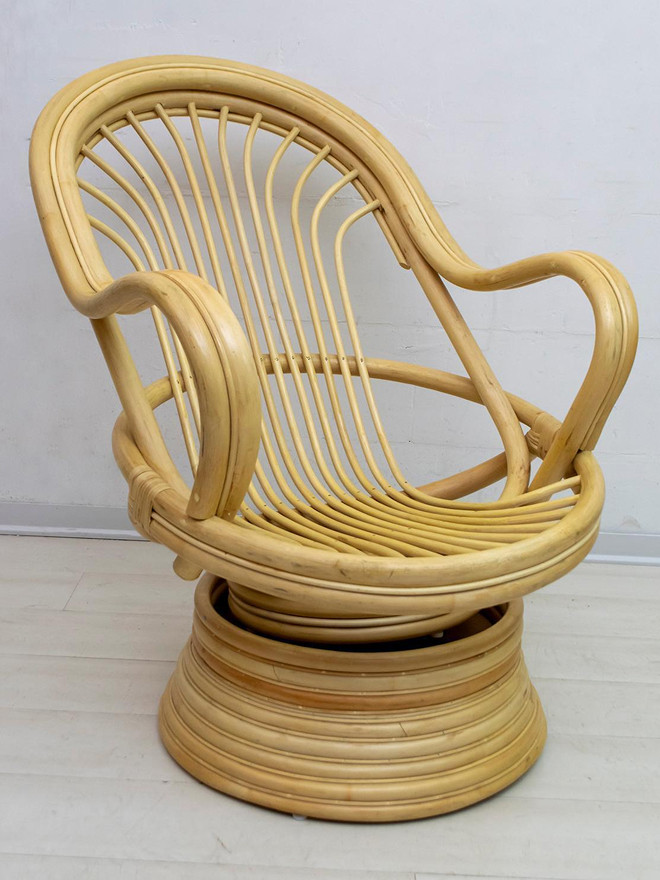
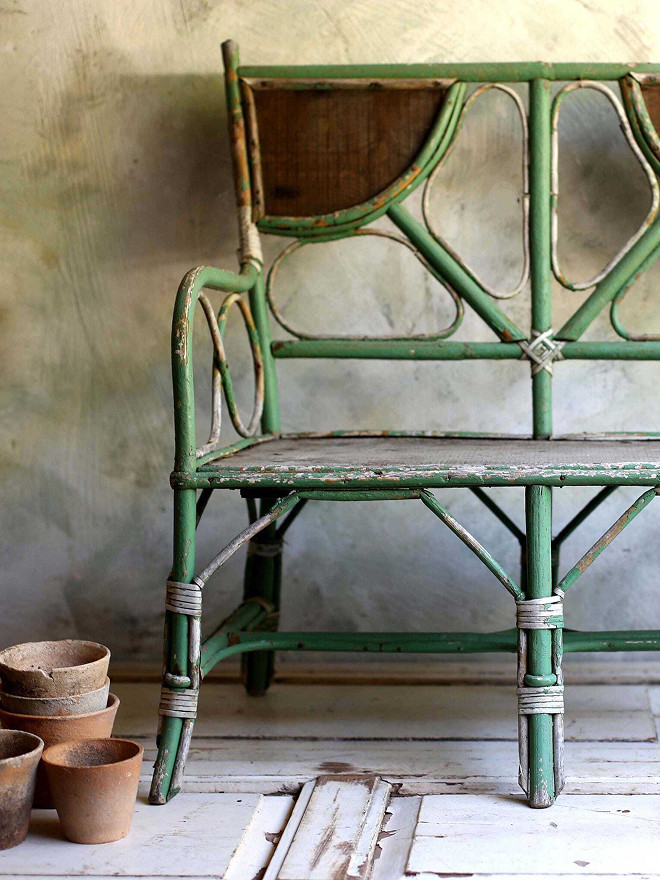
The principle is the same as indoors: one piece that defines the space, rather than a complete set that fills it. A vintage rattan garden chair in the right spot is more interesting than six matching pieces around a table. A proper garden bench with some age to it anchors a lawn or terrace in a way a contemporary equivalent never quite manages. A bronze fountain or a stone bird bath brings the same logic as a statement piece in any other room: something that earns a second look.
The interior language is finally arriving in the garden, and it's a welcome shift. Vintage outdoor furniture has a permanence that most modern garden furniture lacks.
The small statement: Art Deco accessories
Not every statement piece fills a room. Some work at a smaller scale, and the Art Deco aesthetic is particularly well suited to this. The Art Deco ice bucket is a case in point: a small object with an extraordinary amount of design confidence. Set it on a sideboard or a drinks tray and it shifts the register of the whole surface.
Art Deco as a movement is having a broader moment right now. The geometric rigour, the material confidence, the sense that even an everyday object deserved to be beautiful: these qualities translate well into contemporary interiors that might otherwise err towards the minimalist.
One well-chosen Art Deco piece in an otherwise restrained room is often more effective than a fully period-committed scheme.
How to choose yours
The most common mistake with statement pieces isn't going too bold. It's going bold with the wrong thing, or in the wrong place, and then surrounding it with too much else.
A few principles that hold across every room:
One statement per space. Two compete; one commands.
The piece should be the most interesting thing in the room, so everything around it needs to be less interesting. That's not a compromise. It's the edit.
Scale matters more than style. A small statement piece in a large room disappears. A proportionately large piece in a small room can be the making of it.
Buy the real thing. Vintage furniture, bought once and bought well, ages into the room. It doesn't date in the same way. The statement piece that still looks right in ten years is the one that was already ten years old when you bought it.
Feeling inspired?
Shop our statement showcase

