


 Back to articles
THE DIGEST
A Designer's Guide to Amsterdam: Svetlana Willems on antiques, interiors, and the city's design character
Svetlana Willems, founder of textile studio Franquemont, shares where to find antique and vintage furniture in Amsterdam, how Dutch interiors layer different periods and geographies, and why a room needs some friction.
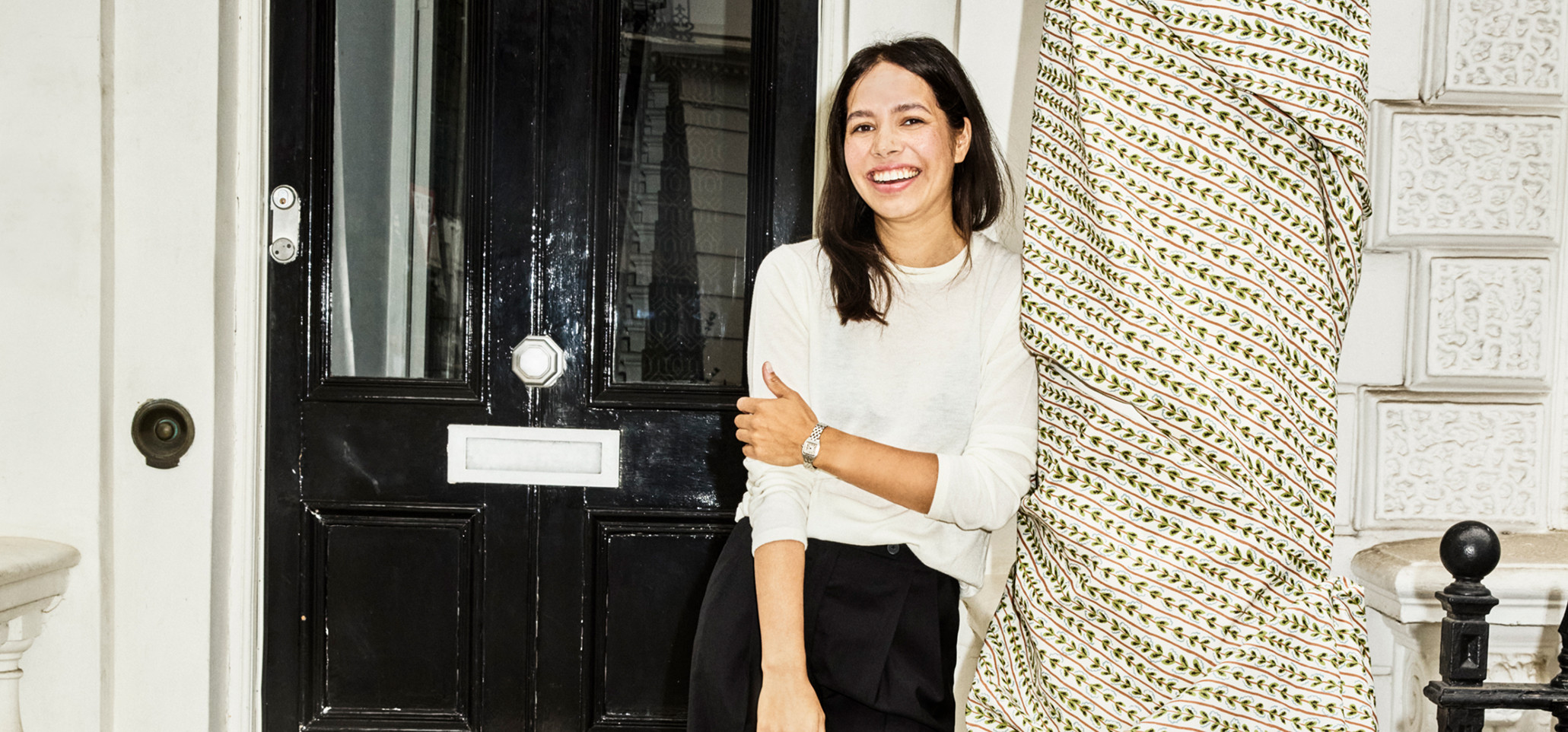
Amsterdam has always known how to live well. Its canal houses are studies in considered accumulation, rooms built over generations rather than decorated in an afternoon. It is a city where a 17th-century cabinet sits comfortably beside a postwar lamp, where the antique market and the design studio occupy the same cultural register. Little wonder, then, that it's where Svetlana Willems chose to build Franquemont, her textile studio whose fabrics carry the kind of quiet authority that only comes from genuine conviction.
This year, Vinterior brings its curated marketplace of pre-loved design pieces to the Netherlands for the first time, connecting buyers with verified sellers of antique and vintage furniture across the country. It felt like the right moment to ask someone who understands Amsterdam's design character better than most: where to go, what to look for, and how to make old things feel new again, without trying too hard.
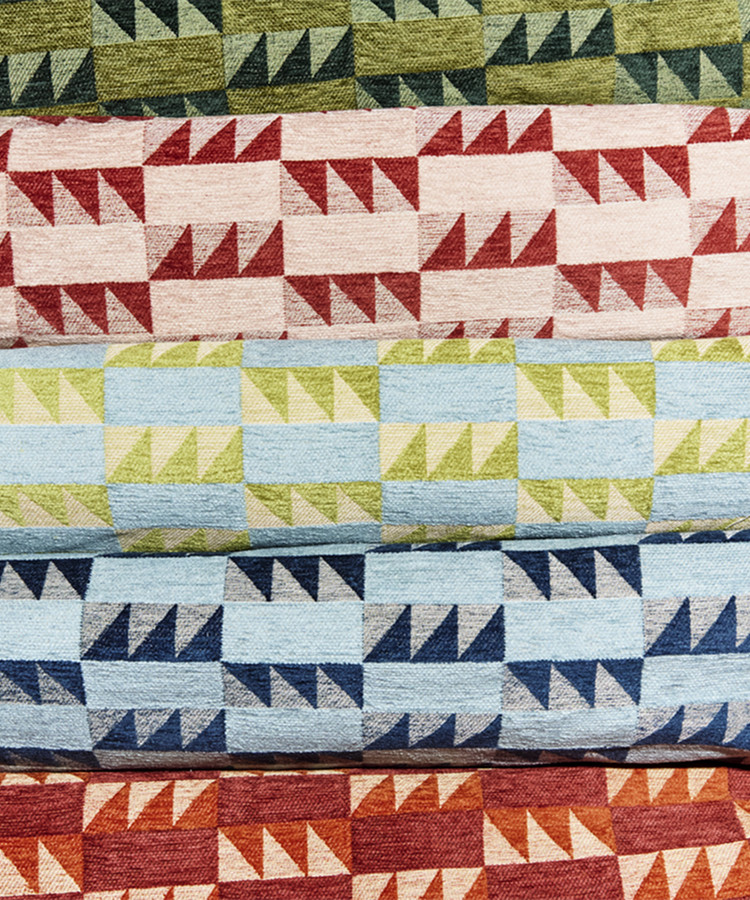
Franquemont is rooted in a very particular kind of beauty. Tell us about the brand and its connection to Amsterdam.
Franquemont grew out of a fascination with the layered cultural history of textiles, and Amsterdam is deeply embedded in that story. The city has always been a meeting point between different worlds; outward-looking, culturally layered and shaped by influences arriving from across the world. Many of our collections begin with archival research in Amsterdam: studying old woven fragments, trade histories and the way colour ages in Northern European light. The name Franquemont itself references Carolina Josephina von Franquemont, an 18th-century Dutch batik pioneer who helped introduce Indonesian textile techniques to Western Europe. As someone with both Dutch and Indonesian heritage, that intersection of cultures and histories felt incredibly meaningful to build from.
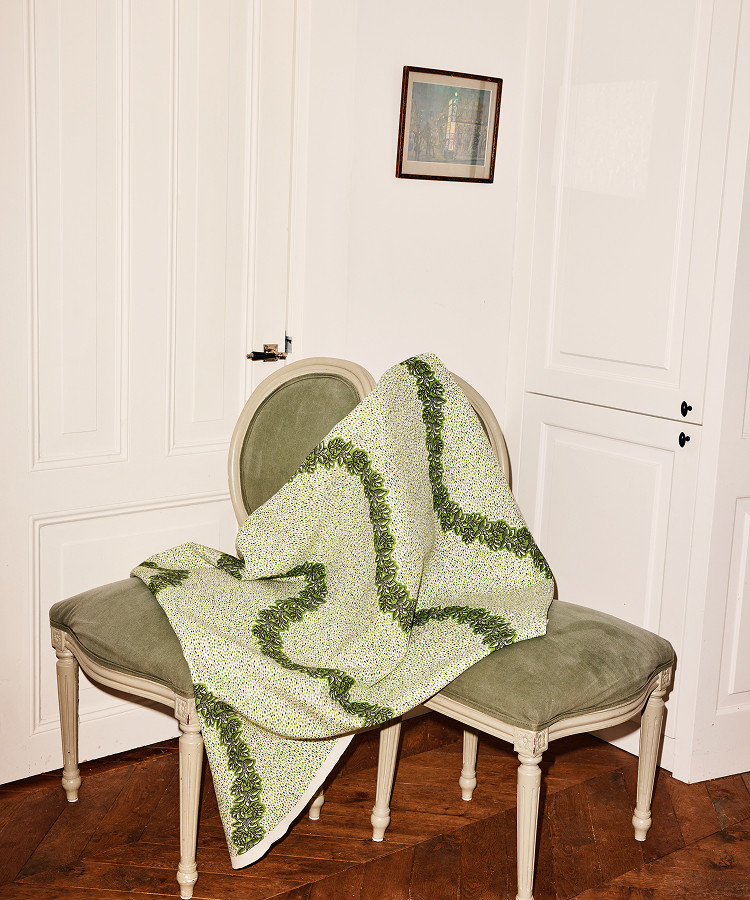
Vinterior has just arrived in the Netherlands, bringing its curated marketplace of pre-loved design pieces to a city with serious furniture heritage. What does Amsterdam understand about antique and vintage furniture that other cities perhaps don’t?
There's a long history here of collecting globally while remaining visually restrained. Because Amsterdam was such an international trading city, homes have long absorbed influences from far beyond the Netherlands. I think Dutch interiors are particularly good at allowing different periods and geographies to coexist naturally. A room might contain a sober 18th-century Dutch cabinet, a Danish chair, an antique Indonesian textile and a contemporary artwork, yet still feel balanced because there's such sensitivity to proportion, material and space. That layering is something Amsterdam interiors do remarkably well. They rarely feel overly designed, but instead accumulated over time through curiosity, travel and collecting. There’s a confidence in mixing things that don’t obviously belong together, without the room ever feeling forced or overworked.
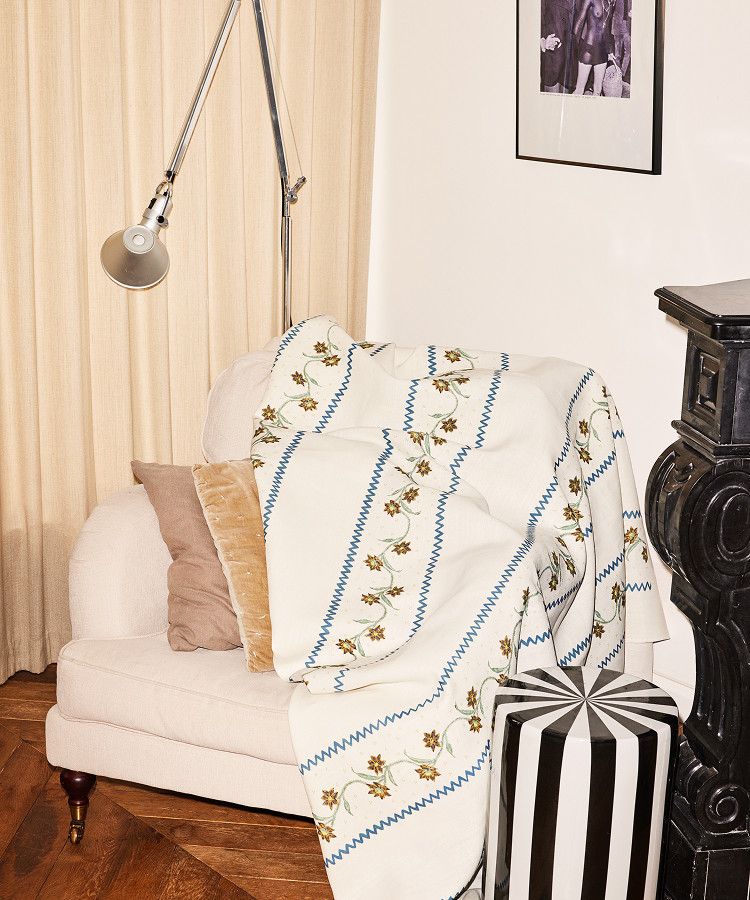
Your textiles are known for their depth and character. How do Franquemont fabrics sit alongside vintage and antique furniture, and what does that pairing unlock for a room?
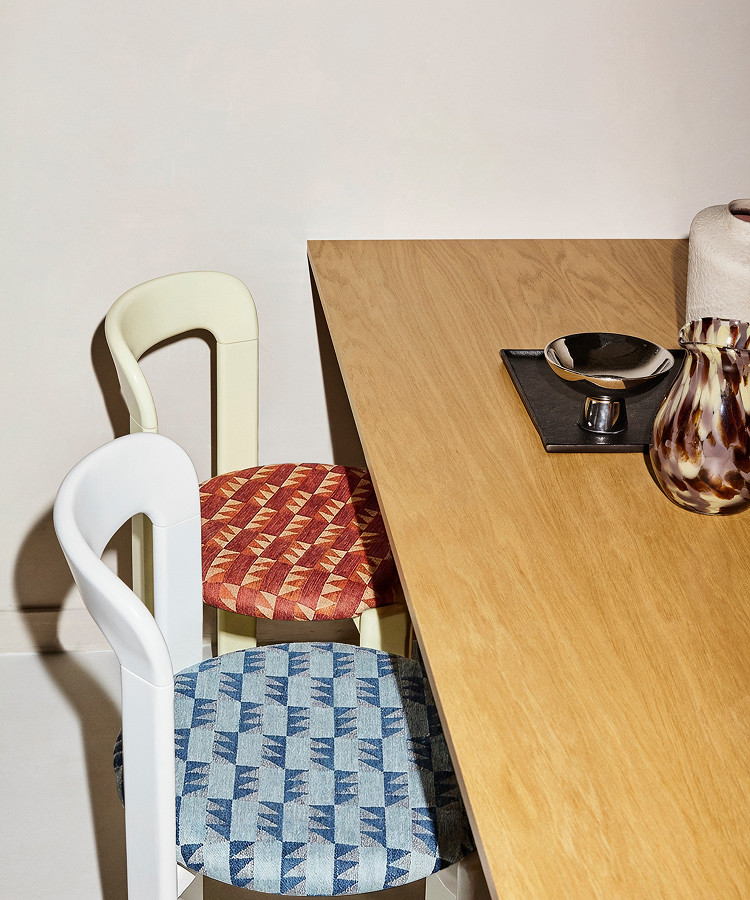
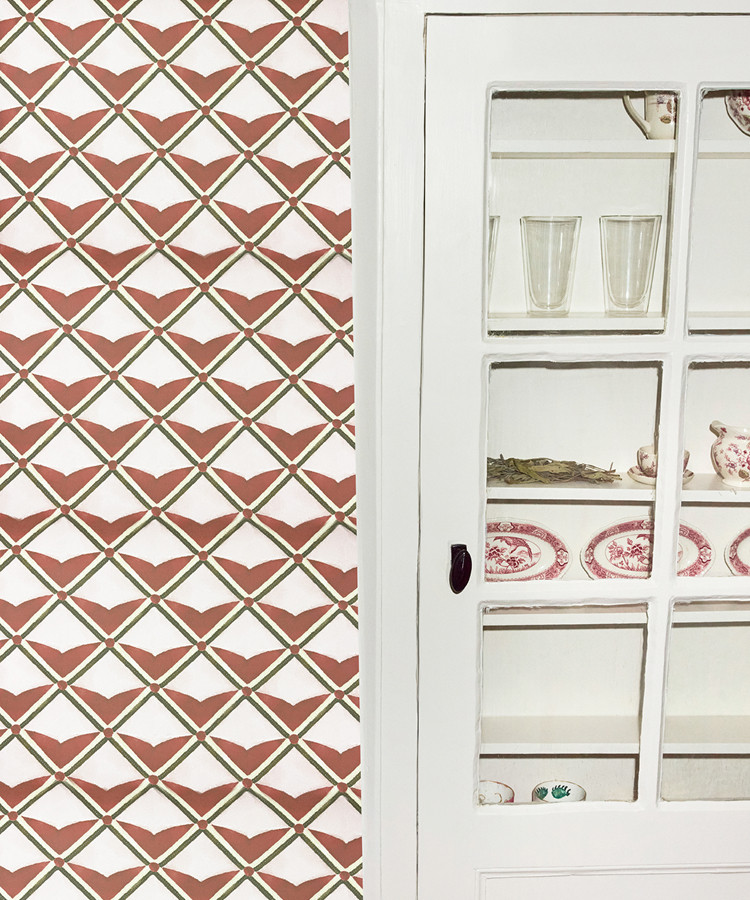
Vintage and antique furniture already carry memory and texture and fabrics can contribute something tactile beyond decoration. We try to create fabrics that almost feel architectural in a room, woven surfaces with depth that can hold their own beside older materials. An antique chair may have beautiful lines but slightly worn edges and a new fabric can sharpen or reinterpret those without erasing its history. That way you can add a layer of time rather than locking a piece or room into a single period. Our woven collection, particularly designs like Verster or Van Hoven, works beautifully in those settings because the fabrics have a certain gravitas. They don't feel overly polished or trend-driven and settle naturally in rooms with different materials. Fabrics introduce warmth, tactility and character.
“An antique chair may have beautiful lines but slightly worn edges and a new fabric can sharpen or reinterpret those without erasing its history.”
The best rooms tend to feel both considered and unstudied. How do you think about balancing new textiles with older pieces, and what mistakes do you see people make when they try?
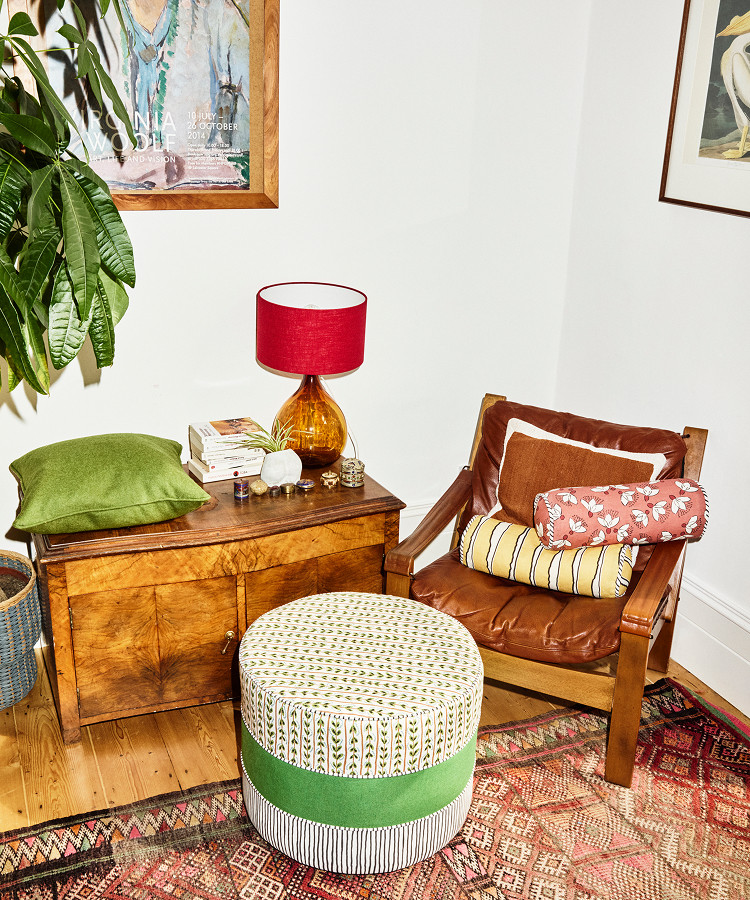
The rooms that endure usually have a variation in age, texture and tone. If everything is antique, a space can become theatrical. If everything is new, it can feel flat. The balance matters. Good interiors are rarely perfectly coordinated. They work because the proportions, materials and mood relate to one another, not because everything is literally aligned. A room needs some friction. I also think restraint matters enormously. In Amsterdam especially, the best interiors often rely on a relatively blank canvas, then allow a few elements, perhaps a sculptural antique piece or woven textile, to carry the visual weight. A home should feel collected over time, even if it wasn't.
Give us your Amsterdam design itinerary. Where do you go when you want to be reminded why this city matters?
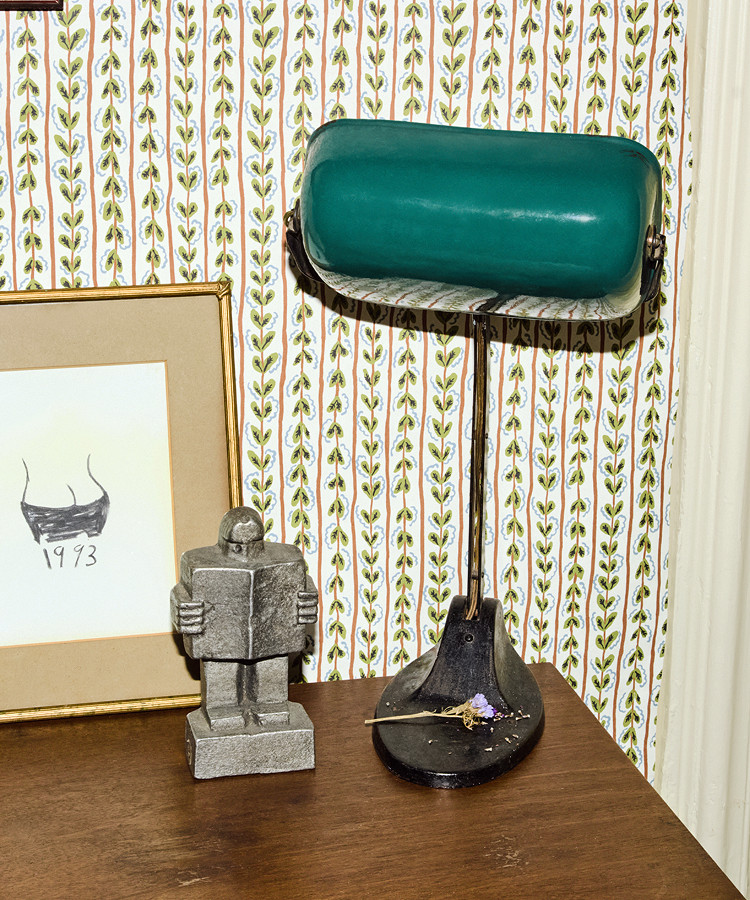
I love the canals early in the morning before the city becomes busy, or later in the afternoon when the sun comes out and people sit outside on their chairs along the water. Walking or cycling along the Keizersgracht often reminds me how extraordinary Amsterdam’s proportions are. For interiors and decorative arts, Amsterdam has such an incredible concentration of museums. I always find inspiration in the Tropenmuseum for its worldly collections, Onze Lieve Heer op Solder for its extraordinary colour palette, and Huis Willet-Holthuysen for its canal-house interiors. The Hortus Botanicus is another place I return to often. There’s something about the faded greens, humidity and slightly overgrown atmosphere that feels deeply connected to the palettes and textures we work with. For antiques and interiors, the Spiegelkwartier is wonderful, but I often prefer smaller dealers and quieter spaces around the city where objects feel more discovered than curated. And truthfully, some of the most inspiring moments in Amsterdam are simply looking through uncurtained windows at dusk. The city has an unusually intimate relationship between architecture and domestic life.
“Some of the most inspiring moments in Amsterdam are simply looking through uncurtained windows at dusk”
For someone arriving in the Netherlands for the first time, looking to find genuinely interesting vintage and antique pieces, where would you point them, and what should they be looking for?
I would begin in Amsterdam, but not with the idea of finding one perfect investment piece immediately. The Spiegelkwartier is still worthwhile for established dealers, particularly for 18th- and 19th-century Dutch furniture, lighting and objects. Beyond that, I would spend time exploring smaller galleries, kringloopwinkels (secondhand/charity shops) across the city and even local auctions. I’d also encourage people to look beyond obvious Dutch antiques. Some of the most interesting interiors here combine Dutch pieces with French, Scandinavian or Belgian influences. Focus on materials and craftsmanship rather than labels and look for pieces with restraint. Dutch interiors rarely rely on excess ornament. Often the most compelling objects are the ones you discovered in the most unexpected places.
Vinterior is now in the Netherlands
Browse pre-loved design pieces from verified sellers

