


 Back to articles
THE DIGEST
The Complete Guide to Ligne Roset
From the Togo to the Ploum, Ligne Roset has produced some of the most desirable furniture of the last fifty years. Here's what to know before you buy.
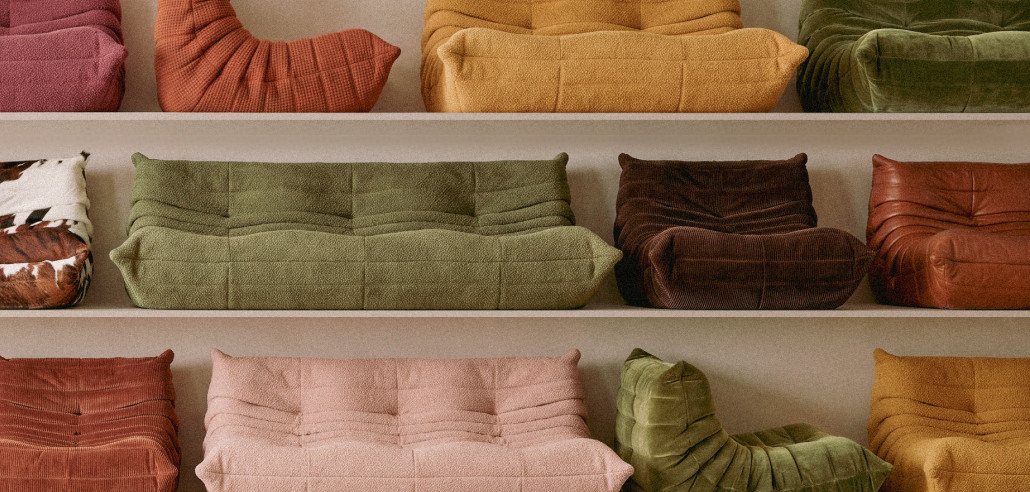
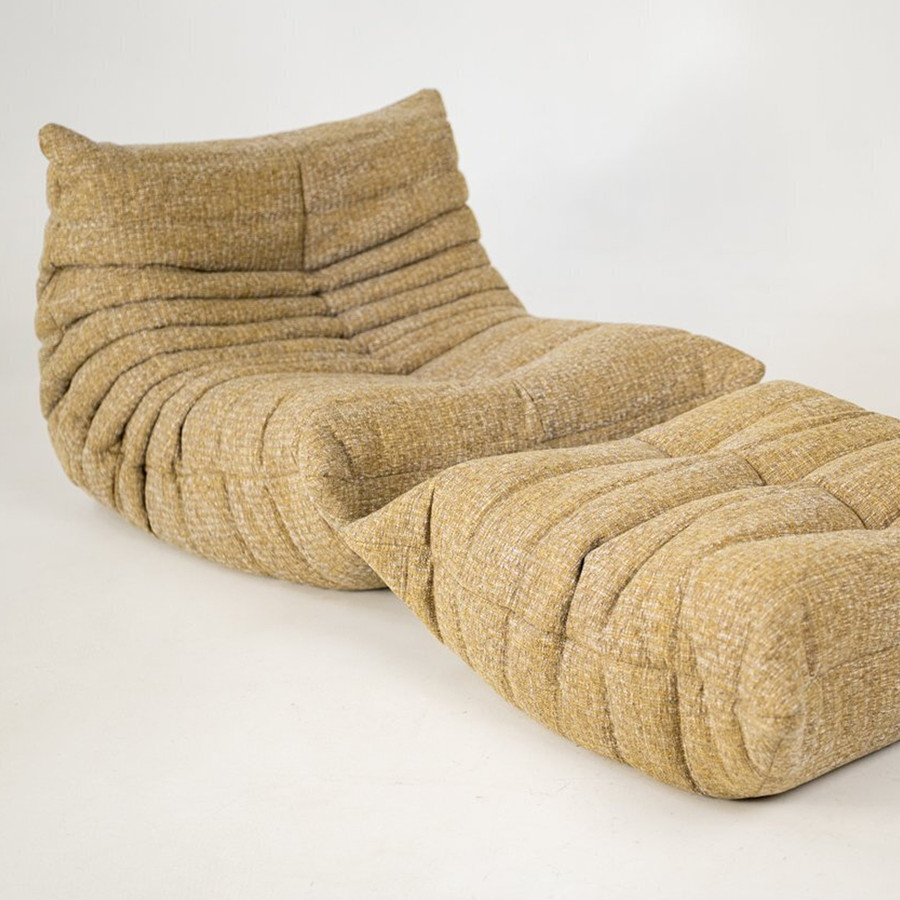
Ligne Roset produced some of the most desirable furniture of the 20th century. The Togo, the Multy, the Ploum: pieces that passed through a generation of apartments and houses without always being properly credited. That changed around 2020, when the world locked down and the Togo became the most talked-about sofa on the internet. But Ligne Roset's story is longer, and more interesting, than one viral moment.
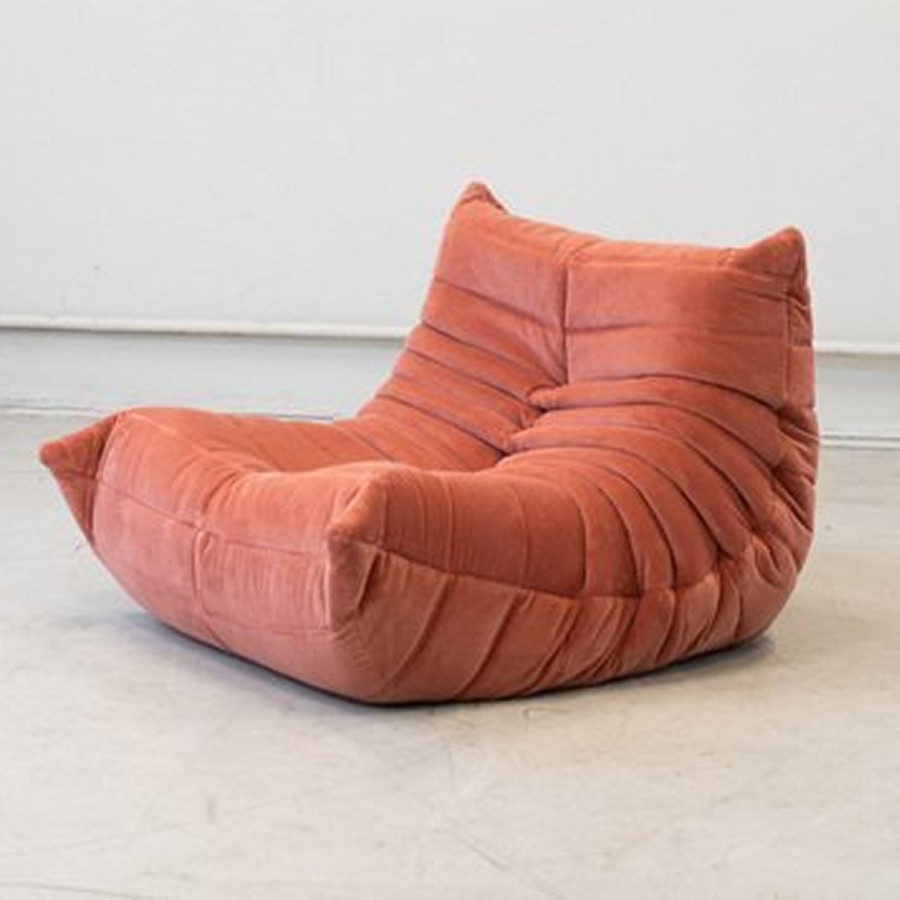
Not every design brand earns its reputation through a single piece. Ligne Roset is a partial exception: the Togo is so thoroughly theirs that it's hard to think of the brand without it. But that framing does Ligne Roset a disservice. For more than a century, this French manufacturer has been quietly producing some of the most considered, technically ambitious furniture in Europe. Pieces that age without effort, a secondary market that still offers real value.
Here is what you need to know.
The Togo: the sofa that became a cultural event
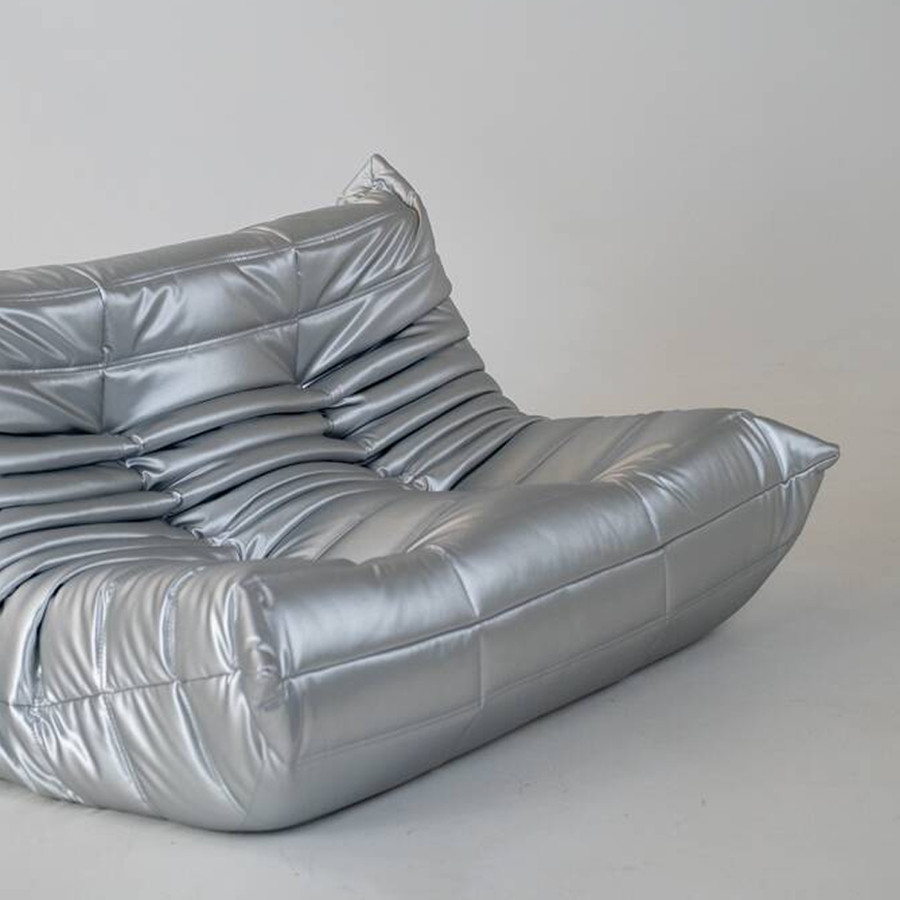
In 1973, Michel Ducaroy was trying to design a sofa with no visible structure at all. Working with a tube of toothpaste, folding it, creasing it, pressing it flat, he arrived at the idea that would become the Togo: a seat whose form emerged entirely from the material itself, with no internal frame, no conventional legs, and no precedent in furniture history. The result was the first sofa ever made entirely of foam. Ligne Roset won the René-Gabriel Prize for its innovation.
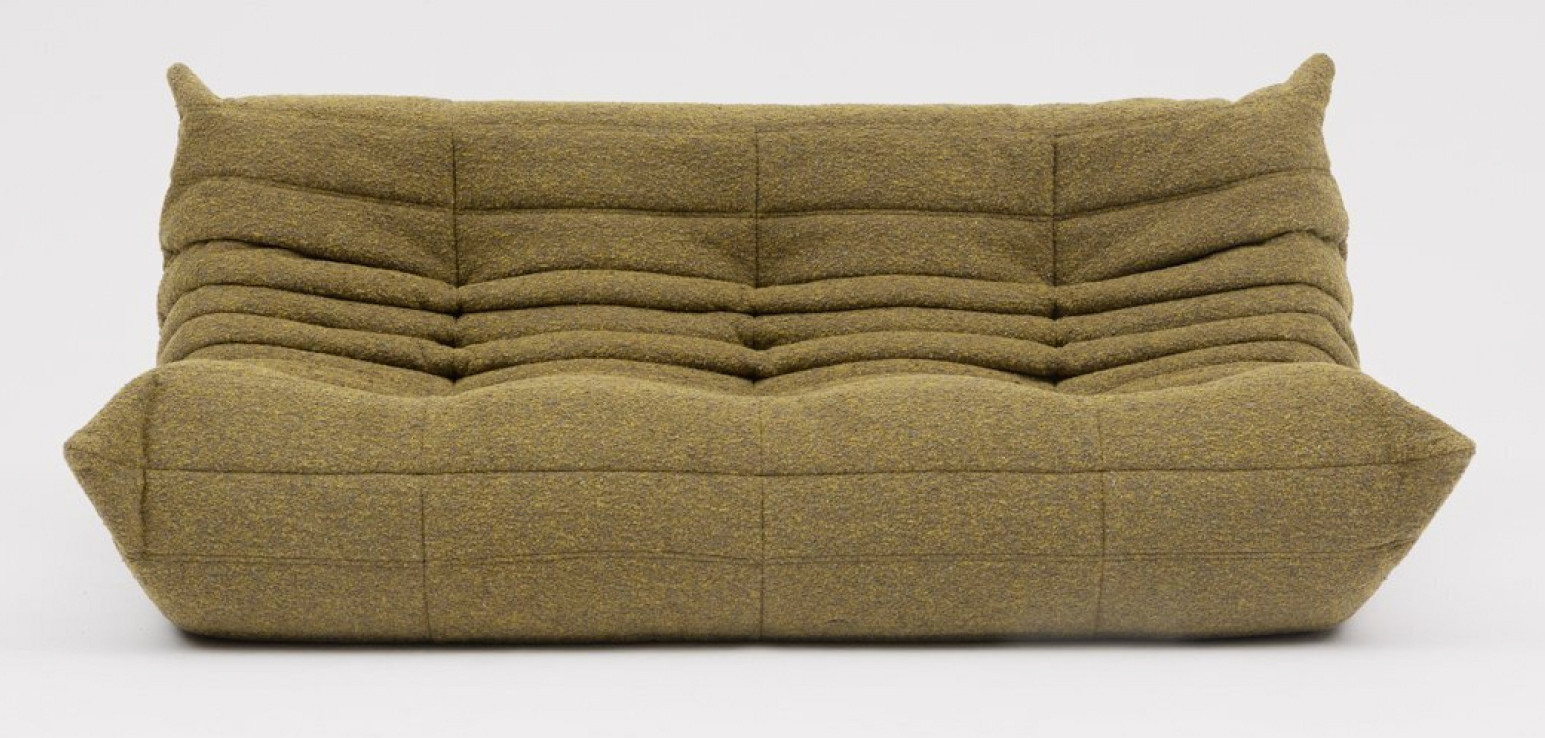
Low to the ground, deeply enveloping, available in colourways that read now as both period-specific and surprisingly contemporary, the Togo captured the mood of the decade: relaxed, anti-formal, quietly subversive.
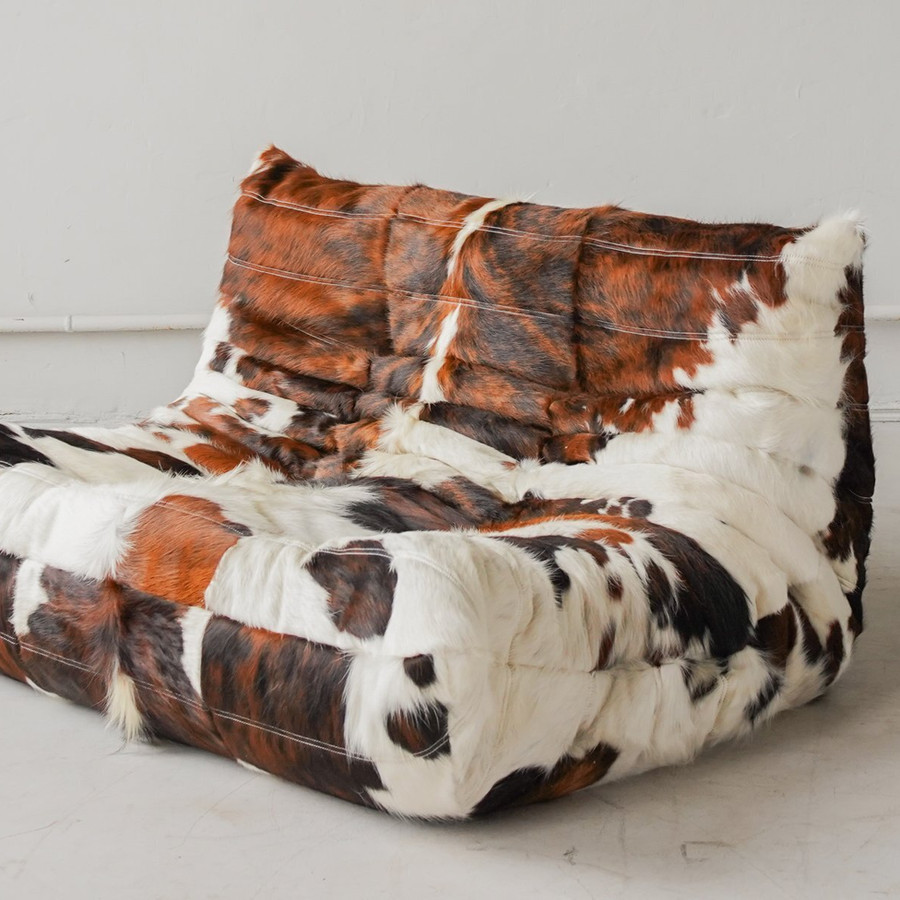
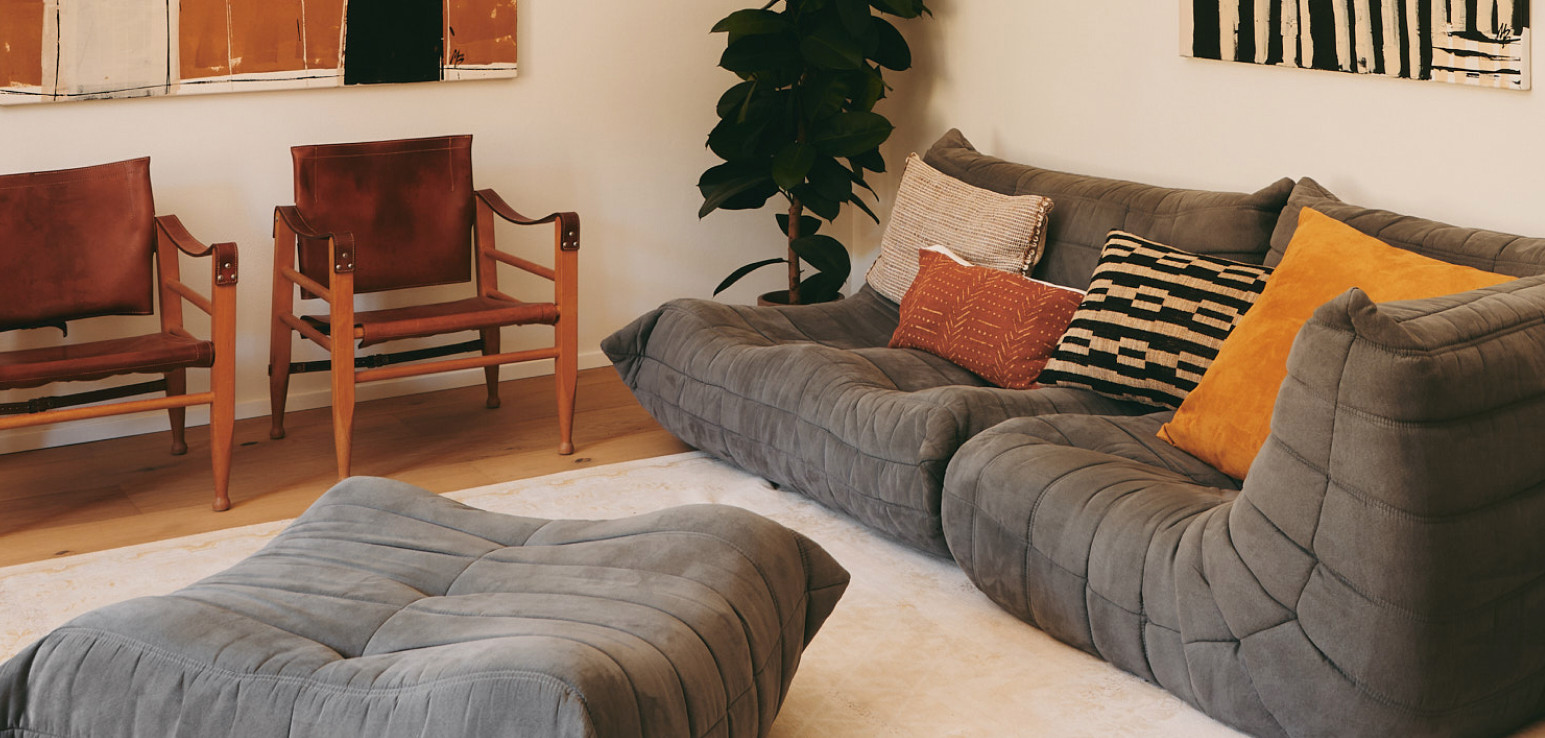
Before 2020, the Togo was beloved by collectors and interior professionals but not especially fashionable. Then lockdown happened. Stuck at home, an entire generation discovered it simultaneously. By 2021, a styled Togo had become an aspirational cliché.
The fever has cooled. Vintage prices have settled back. The pieces are no longer a guaranteed statement; they are, once again, simply very good sofas.
What else Ligne Roset is famous for
The Togo is the headline, but Ligne Roset's catalogue is worth knowing in full.
The Multy sofa bed, designed by Claude Brisson, has been in continuous production for decades. Its mechanism is deceptively simple (the back folds flat without the usual awkwardness of a sofa bed) and original examples from the 1980s and 1990s turn up regularly on the secondary market.
The Ploum is the piece that announced Ligne Roset's continued relevance in contemporary design. Where the Togo was raw and improvisational, the Ploum is precise: a sofa with a split-level upholstered surface that accommodates multiple postures without fidgeting. The Togo's spiritual successor without being its imitation.
The Petite Sieste is a reclining armchair that applies the Togo's logic to a single seat. Original examples in good condition are increasingly sought after. The brand's Confluences modular sofa, designed by Philippe Nigro, represents Ligne Roset's more experimental edge: interlocking sections that create puzzle-like compositions. Not for every room, but for the right one, extraordinary.
A guide to buying vintage Ligne Roset
Ligne Roset's popularity has made authentication more important than it used to be. The Togo in particular has attracted a significant counterfeit market.
Check the label. Every authentic piece carries a label, typically sewn into the upholstery or stamped on the underside, bearing the brand name and indicating French manufacture. No label is a reason to look carefully.
Look at the construction. On an original Togo, the fabric beneath the sofa is blue-and-white striped. The pleating should be generous and deep; shallow folds are a reliable indicator of a replica. Buttons should be flat and fabric-covered.
Be cautious about reupholstery. The Togo's pleating is calibrated for specific fabric weights and tensions. Third-party reupholstery often compromises both authenticity and comfort; reupholstered examples may look right but rarely feel the same.
Consider condition over colourway. Original period colourways (deep reds, terracottas, chocolates) are desirable, but a structurally sound Togo in a less exciting colour is a better buy than a visually striking one with compromised foam. The Togo's value is in how it feels, not just how it looks.
Ligne Roset's lesser-known pieces often represent better value than the Togo right now, precisely because they haven't attracted the same attention. The Multy, the Petite Sieste, and earlier Bonnie examples are all worth serious consideration for buyers who want quality without the premium.
Feeling inspired?
Shop vintage Ligne Roset on Vinterior.

