


 Gifts
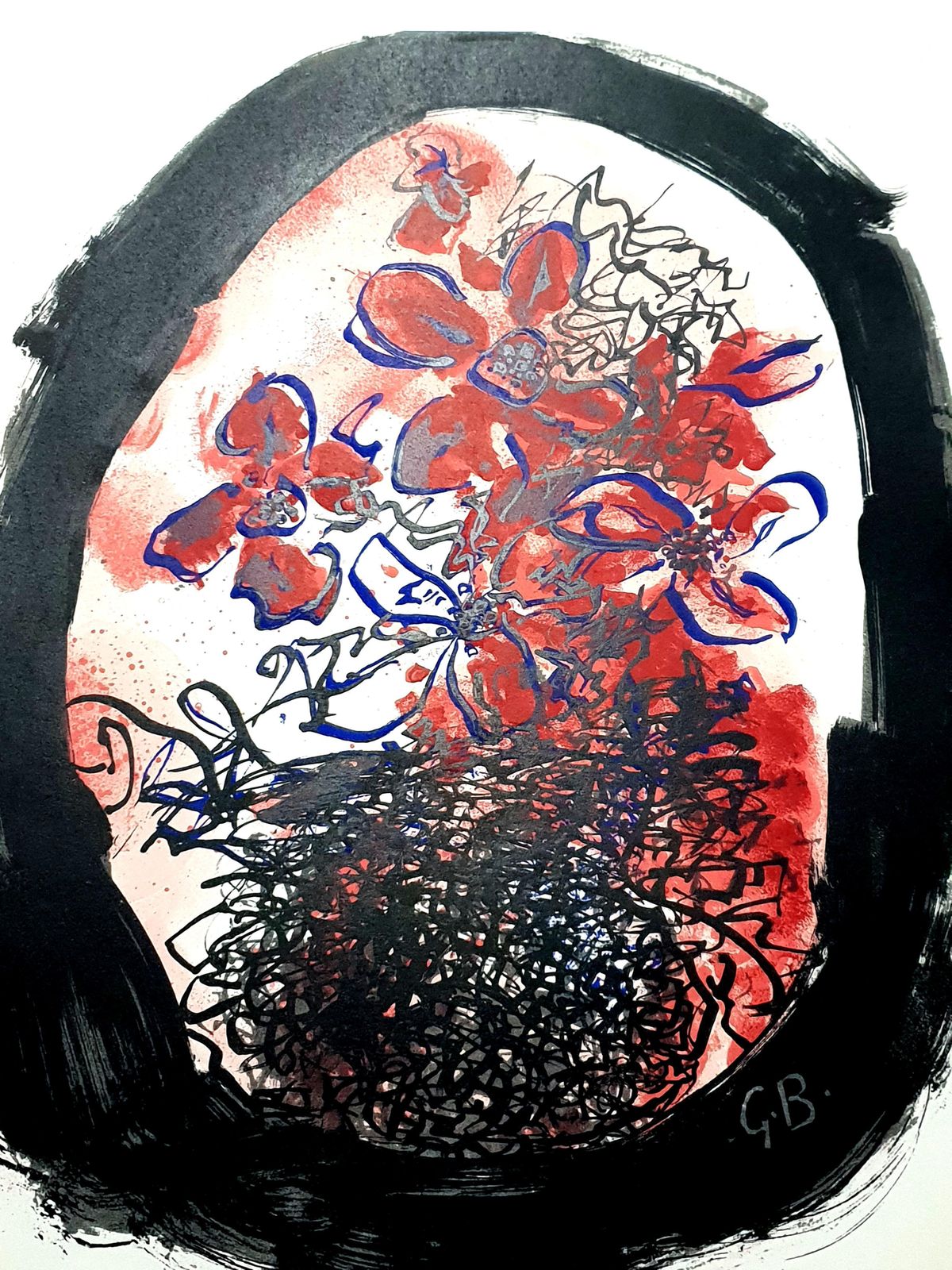
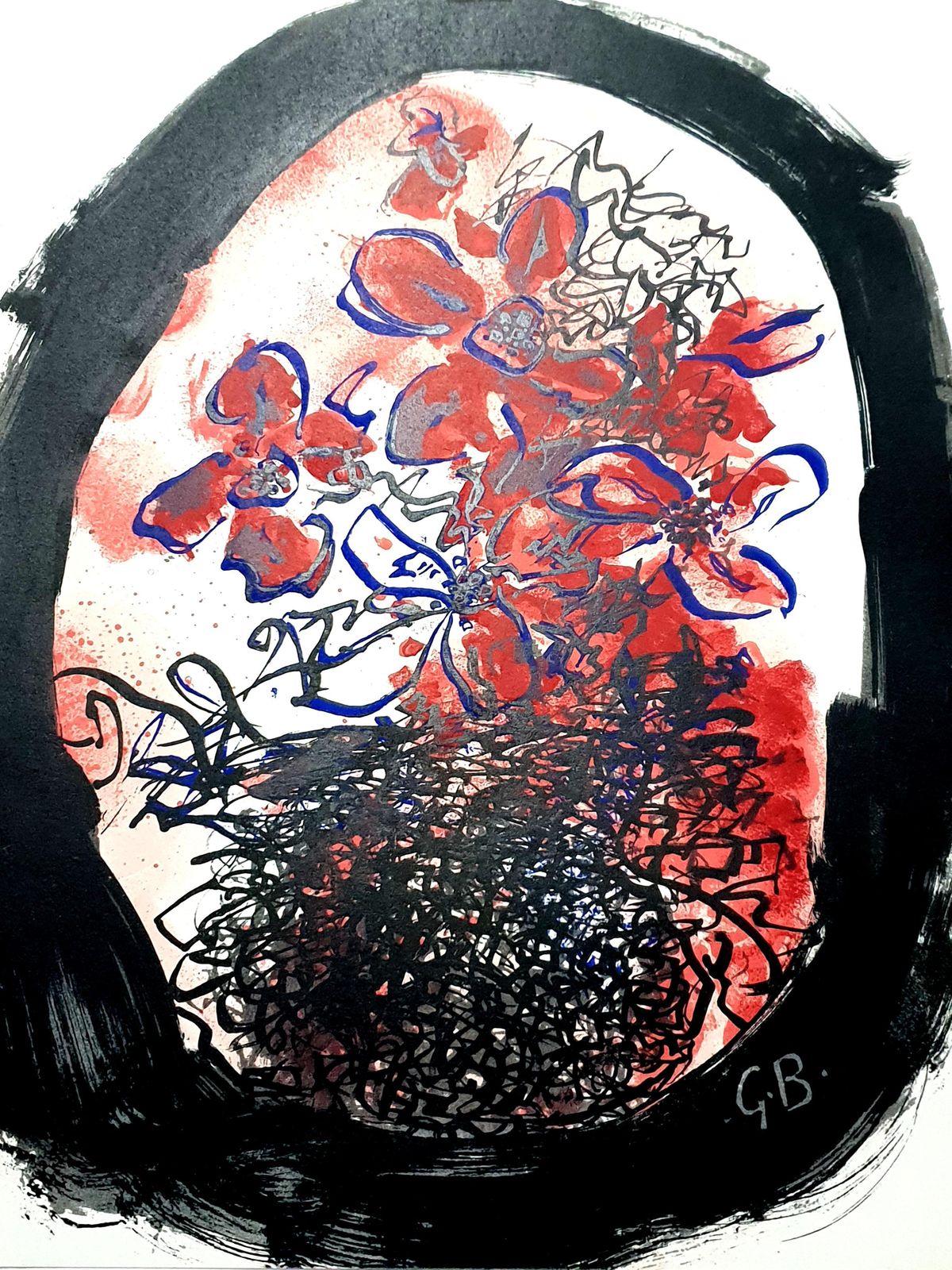
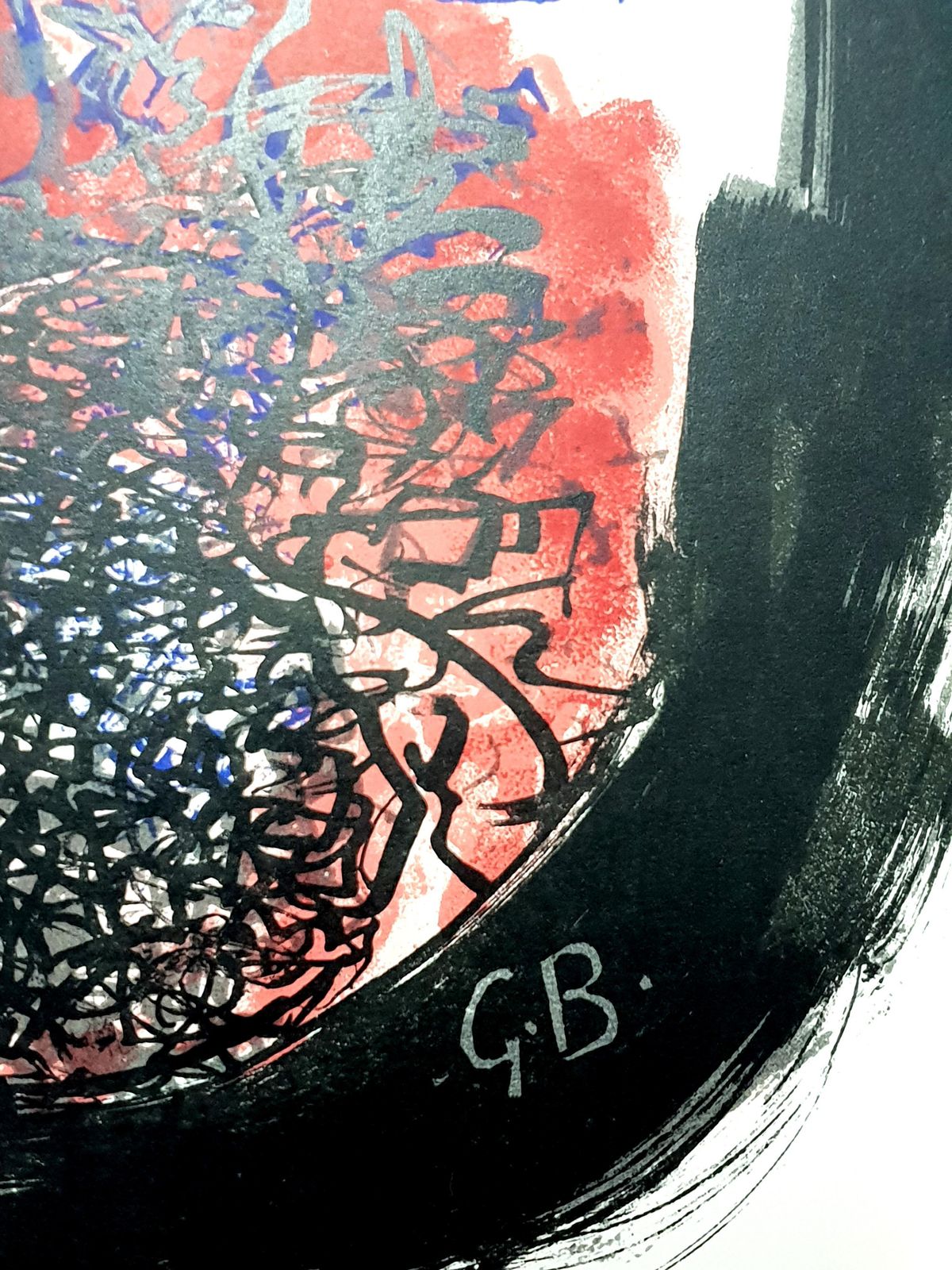
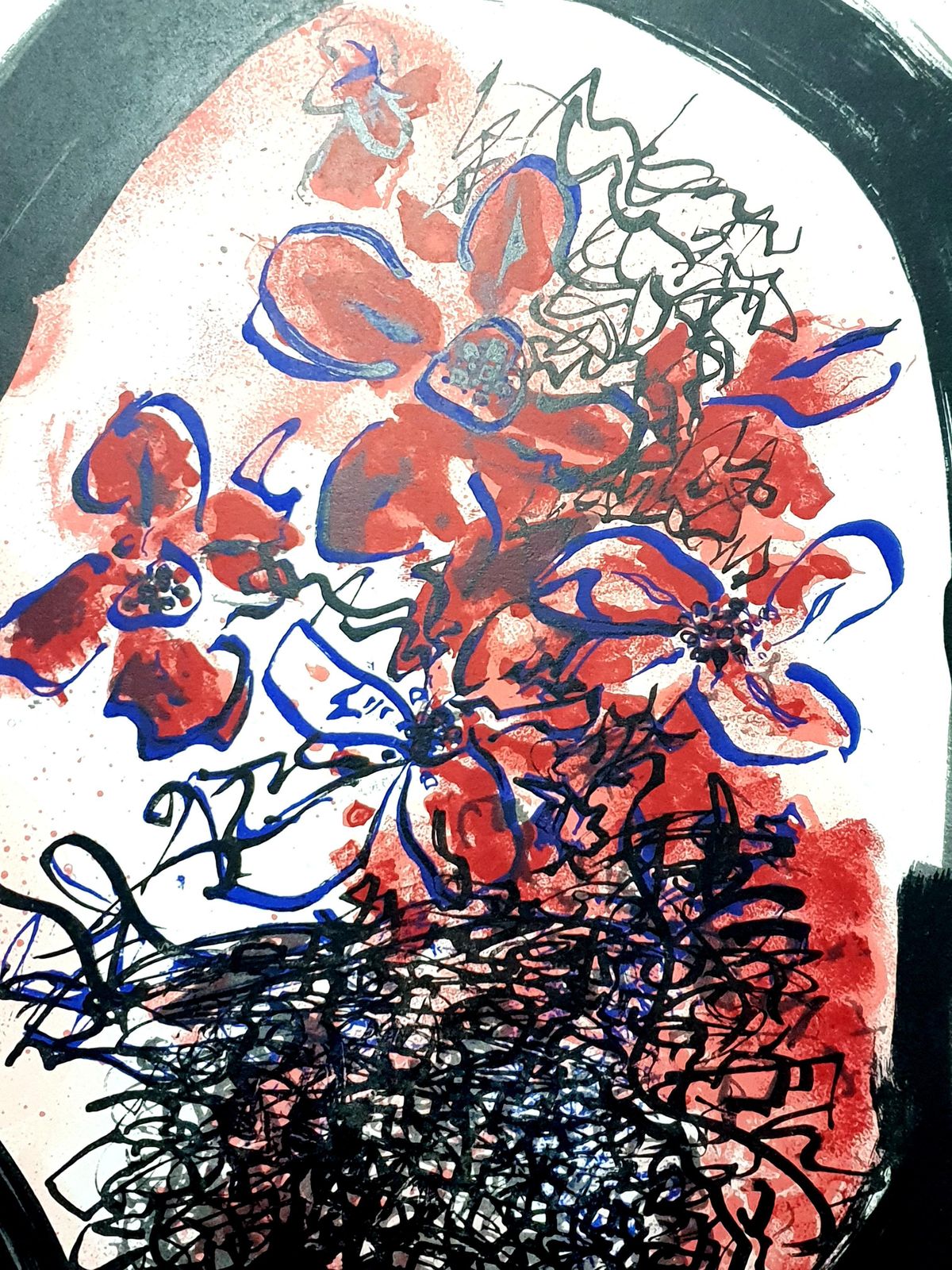
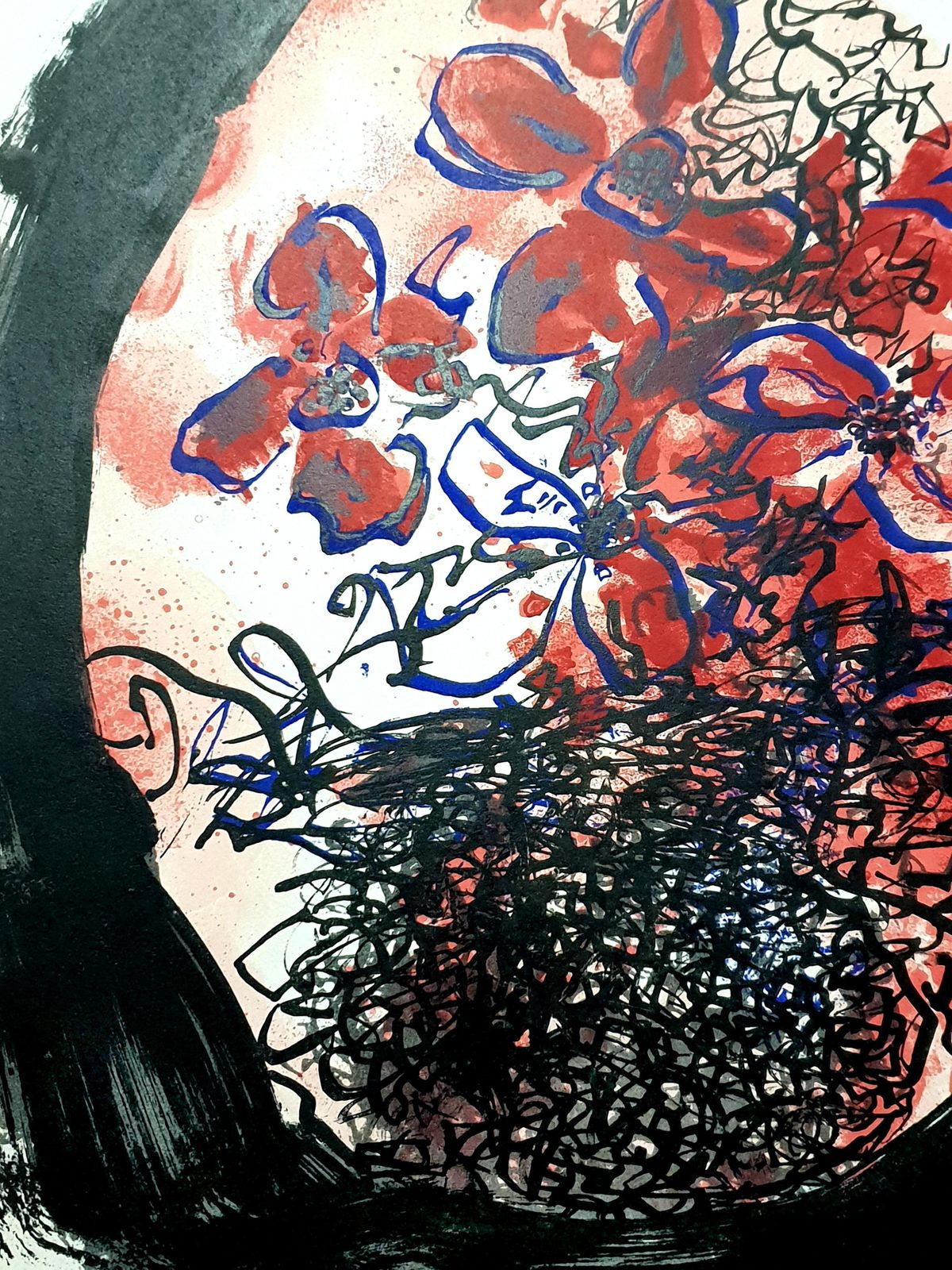
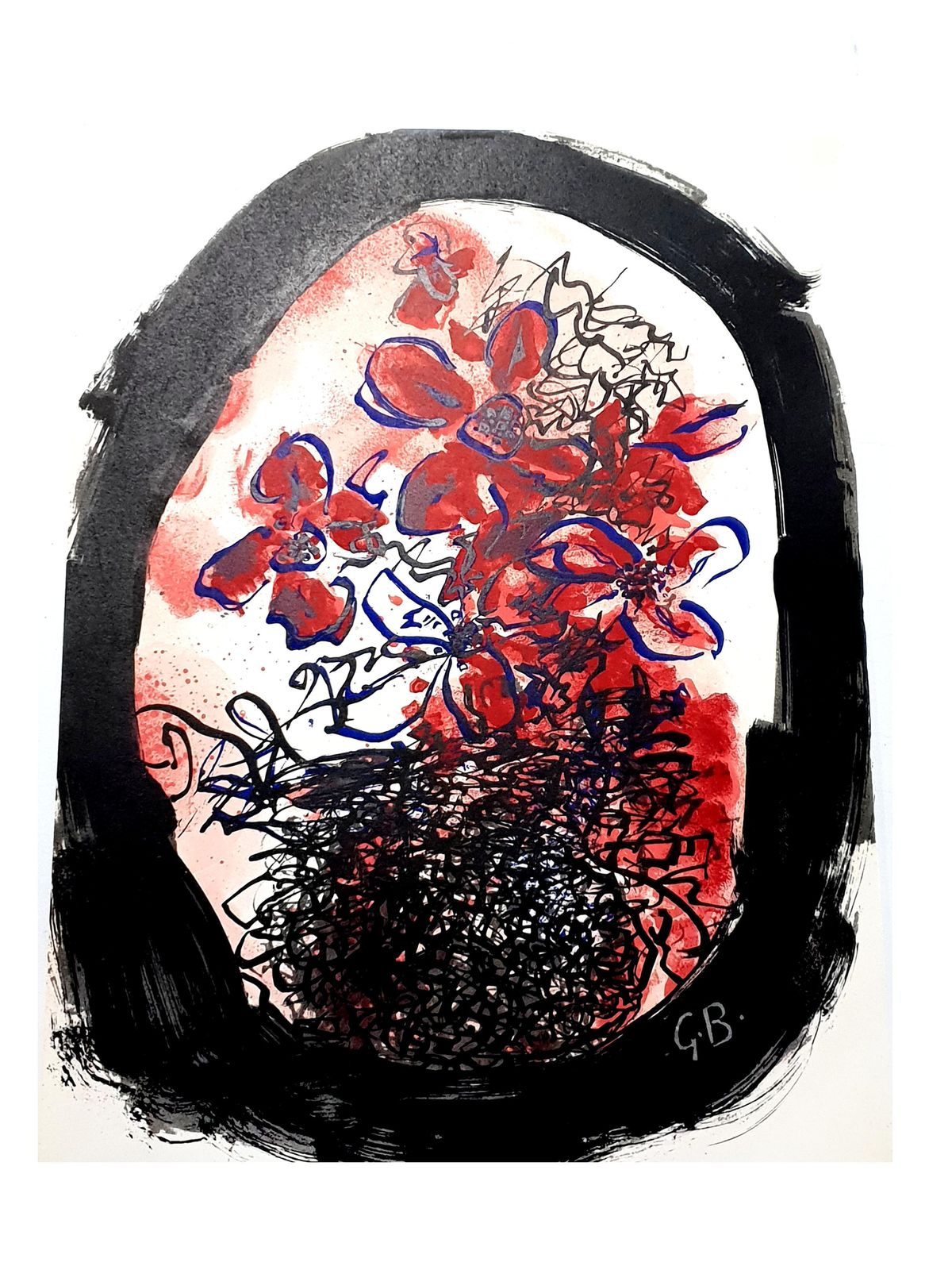
Georges Braquegeorges Braque Original Lithograph1963

 Genève, Switzerland

Hassle-free returns
-
 Easy returns (14 days)
-
Free return if the item isn't as described
-
Buyer protection
Damage is rare, and you're fully protected if it happens.
Dimensions
Wear Condition
Good
Material
Paper
Style
Vintage, Retro
Product Details
Description
Georges Braque - Original Lithograph
1963
Dimensions: 32 x 24 cm
Andre Sauret, Monte Carlo
The father of Cubism
Three Cubist that distinguishes art historian periods were initiated and developed by Georges Braque: The Cubist Cézanne (1907-1909), Executive (1909-1912) and synthetic (1912-1922).
Post-Impressionist and fawn, Braque no longer adheres to the contingency of a decorative way or the other. Cézanne’s paintings exhibited at the Grand Palais during the retrospective of 1907 are a revelation: Cézanne sought and invented a pictorial language. In his footsteps, Braque went to the South with the reasons of the Master. He returned with Estaque landscapes and surprising Ciotat it keeps Cezanne geometric model and retains the “passages” continuity from one surface to another to create the sensation of “turning around” of the object represented. But he wants to go after the consequences of the vision of Cezanne. In his paintings Houses in L’Estaque (1908) it simplifies the volumes of houses, neglects detail by removing doors and windows: the plastic rhythm that builds the table. Large Nude , a masterpiece of the period, can be considered the first work of Cézanne cubism .
Systematizing and deepening Braque discoveries open the door analytical cubism. In 1909, his painting became more cerebral than sensual. The pattern is recreated in the two-dimensionality of the canvas, leaving aside any illusionistic perspective. In Still Life with Violin, objects are analyzed facets according to their characteristic elements, each facet referring to a particular view of the object. There are so many facets of points selected view: Table reflects the knowledge of the object and the ubiquity of the eye. Moreover, Braque is looking for the essence of the objects in the world rather than their contingency, which explains the absence of light source and use of muted colors (gray, ocher), contingent aspects of the object . But formal logic has stepped facets, erased any anecdote to the object and ultimately led to his painting a hermetic more marked on the edge of abstraction (see the series of Castle Roche-Guyon ).
Braque, anxious to keep the concrete and refusing at all costs that the logic of Cubism takes the paintings to abstract, reintroduced signs of reality in his paintings in 1912 marks the beginning of Synthetic Cubism. Historians speak of “signs of real” rather than reality because what interests Braque, this is not to put reality into a table, but to create a painting which, by its language, refers to the real. To do this, he invented two major techniques XX th century inclusions and contributions. The inclusions consist of painting objects that have no real depth, materials (wallpaper in Nature morte aux playing cards faux wood is a pictorial inclusion) or letters (calligraphic inclusion in Portuguese ), made first brush and a few months later stencil. Contributions are defined in contrast with the collage on canvas of foreign materials: glued or sand paper, sawdust, etc.. Regarding the collages, Braque used for the first time in September 1912 a piece of adhesive paper imitating faux wood Compote and Glass , then the packet envelope of tobacco Bock in 1912-1913, or an advertisement in Damier , 1913). Inputs and inclusions refer to an external object in the table, without “emulate” this object. Away from their appearances, objects are represented in closest essence of the objects in the real world sense.
This is also the time of Synthetic Cubism that Braque invented paper sculpture. There are, unfortunately, and no one is living proof of a photograph makes it possible to realize: Paper and paperboard.
Métamorphoses period(1961-1963).
In 1961, Georges Braque worked on a Greek head for the Louvre, which obsesses him, and he wishes to free his mind. He tried several times to bring out the paint and the result was unsatisfactory. He thinks the ultimate metamorphosis its Greek head projected in three dimensions. He calls in his studio of Baron Heger Loewenfeld, master lapidary, and he communicates his enthusiasm during the “fateful encounter.” Nine months later, in honor of the eighty years of Georges Braque, Heger Loewenfeld offers the Master of the ring Circe: the famous Greek head finally exorcised, carved in an onyx. Braque Loewenfeld then asked to identify other issues that haunt him.
From dated and signed by Georges Braque, Heger gouaches Loewenfeld shapes works in the fields of jewelery, lapidary art, sculpture and etrog.
In September 1962, Heger of Loewenfeld and André Malraux meet the Ministry of Cultural Affairs. The two men share their impressions of aesthetes around the cabinet precious sculptures presented by Baron. Malraux, fascinated, considers that dealing with “the apotheosis of Braque” and orders on the field that show these masterpieces he calls the “jewels” to be organized at the earliest.
March 1963, the exhibition “Bijoux de Braque” opens in the Louvre, Pavillon Marsan. It is a success, and the exposure is prolonged until mid-May.
While “Jewelry Braque” travel on the France towards New York, Georges Braque off August 31, 1963. For thirty years, Heger Loewenfeld present collection of millions of enthusiastic spectators worldwide.
At the death of Loewenfeld Heger, Armand Israel succeeded him.
Georges Braque – his life (1882-1963)
1882 (May 13): Born in Argenteuil. The grandfather Georges Braque has a painting business.
1890 : The Braque family moved to Le Havre. The father founded a painting business building.
1893 : If enrolled in evening classes of Fine Arts.
1899 Before finishing his studies, apprenticed to his father, then in a decorative painting contractor.
1900 : Continues his apprenticeship as a painter and decorator in Paris. Comes to drawing lessons from the municipal workshop Batignolles.
1901-1902 : Military service near Le Havre.
1902 : Moves to Montmartre and enrolled at the Académie Humbert.
1905 :’s Fauves at the Salon d’Automne.
1906 : First exposure XXII th Salon des Independants. From June 12 to September 11: trip to Antwerp with Friesz where he made his first paintings cats .
1907 : In XXIII th Salon des Independants (March), sells his paintings to art critic Wilhelm Uhde and Kahnweiler merchant of German origin. Continued his wild paintings La Ciotat with Friesz (May), L’Estaque (late September and again in October and November). Between gradually into contact with Picasso.
1908 : Third stay at L’Estaque (end of May). The Salon d’Automne refuses paintings made by Braque, the truly innovative style. Kahnweiler them immediately accepts and organizes the first solo exhibition of the artist. The catalog is prefaced by Apollinaire. The critic Louis Vauxcelles discovers “cubes”: the birth of cubism .
Together more closely with Picasso, almost daily, Braque compared to a “mountain climber.”
1912 : Moves with Octavia (known Marcelle) Lapré. Spends the summer with Picasso in Avignon. Signed his first contract with Kahnweiler (November).
1914 : Mobilized. Kahnweiler gallery is taken as “property belonging to the enemy,” with all Cubist Braque paintings.
1915 : Injured, Braque trepanated
1916 : Discharged, he returned in Avignon
1917 : Start writing his Notebook Publishes “Thoughts and reflections on the painting” in the North-South magazine . Sign a contract with the dealer Léonce Rosenberg.
1918 : Starts his drawings Diaries.
1919 : Expose gallery in The Effort Moderne Léonce Rosenberg.
1921 : Selling his paintings belonging to the receiver Kahnweiler. At the Hotel Drouot, boxing Léonce Rosenberg, whom he accuses of selling his paintings at a low price.
1923 : The last fires were extinguished Cubism, Braque looking for a new breath. Sign a contract with the art dealer Paul Rosenberg.
1925 : Moves in her new house and studio built by Auguste Perret, near the Parc Montsouris in Paris.
1926 (14 November): Wife Octavia Lapré to Paris in 14 th district.
1929 : In fact develop a home-workshop Varengeville-sur-Mer, Normandy.
During the Occupation , is in Paris.
1947 is the new dealer Aimé Maeght.
1948 : Grand Prix for Painting at the Biennale in Venice. Maeght publish editions Notebook Georges Braque (1917-1947).
1953 : Braque realizes the ceiling of the Louvre Henri II room.
1954 : Decoration Mas Bernard Saint-Paul-de-Vence. Creating windows for the church of Varengeville. Interview with Dora Vallier in the journal Cahiers d’art.
1960 : Exhibition of his graphic work at the National Library.
1961 : Exhibition Workshop Braque at the Louvre. Meet Heger of Loewenfeld.
1963 : Exhibition Jewelry Braque , the Museum of Decorative Arts (March-May). Death (August 31) while the collection “Les Bijoux de Braque” come to New York aboard the ship France . Funeral Oration in front of the colonnade of the Louvre, pronounced by André Malraux, Minister of State for Cultural Affairs and broadcast on ORTF (September 3). Burial in the marine cemetery Varengeville-sur-Mer (September 4).
Condition report:
Good
Wear Condition
Good
Cancellations
We offer free cancellations and full refund for orders cancelled before dispatching. View full policy.
Returns
We have a 14-day return guarantee for all orders within the UK and European Union. View full policy.
Additional Delivery Info from Seller
Free collection available
No
Made to Last
The average lifespan of a Vinterior piece is 100 years, while modern flat-pack typically takes just 3 years to reach landfill. When you choose pre-loved, you can shop with confidence in quality, craftsmanship and longevity. With our top-rated customer service team, there's no better way to shop pre-loved.

Professional Seller
Shopping at Vinterior


Add to a wishlist
Create Wishlist
Wear conditions
Excellent
Shows little to no signs of wear and tear.
Good
May show slight traces of use in keeping with age. Most vintage and antique items fit into this condition.
Average
Likely to show signs of some light scratching and ageing but still remains in a fair condition.
Apparent Wear and Tear
Visible signs of previous use including scratches, chips or stains.
Please refer to condition report, images or make a seller enquiry for additional information.
Cancellations and Returns
Last updated: 12/02/2026
Clear, predictable protection for every pre-loved purchase.
Simple £75 flat return fee for UK-to-UK mainland furniture when you change your mind.
Applies to furniture with a final selling price of up to £5,000 (excluding delivery and service fees) and delivered from a UK mainland seller to mainland UK addresses. Excludes Northern Ireland, Channel Islands, Scottish Highlands & Islands, Isle of Wight and Isles of Scilly.
Buying vintage should feel inspiring, not uncertain.
Every order on Vinterior is backed by straightforward returns, free cancellations, and extra peace of mind for UK furniture purchases.
1. Free cancellations
Changed your mind before dispatch?
You can cancel any order before it's shipped for a full refund, including delivery.
To cancel an order, click Create cancellation on the order page.
Once an item has been dispatched, delivery costs are not refundable.
Bespoke, personalised or made-to-order pieces cannot be cancelled.
2. Returning an item
You have 14 days from delivery to request a return.
There are two return types:
A. The item isn't as described (free return)
If your piece arrives and it doesn't match the listing in any material way (incorrect description, undisclosed damage, inaccurate measurements, misleading photos), you are fully protected:
- Free return
- The seller or Vinterior arranges pickup
- Full refund, including outbound delivery costs once the seller receives the item
This applies to all purchases.
B. You changed your mind
UK-to-UK furniture deliveries:
To make UK furniture returns predictable and stress-free, we offer a simple flat return fee of £75.
- Applies to furniture delivered from a UK mainland seller to a mainland UK address. Excludes Northern Ireland, Channel Islands, Scottish Highlands & Islands, Isle of Wight and Isles of Scilly.
- Pickup arranged for you
- One clear fee, no surprises
We coordinate the return with either the seller's chosen courier or our trusted delivery partner.
All other items
Most smaller items are straightforward to return.
You can still return your item within 14 days.
- For smaller or parcel-sized items, you can choose to post the item back yourself using a tracked service, or the seller can suggest a preferred courier.
- For larger or more fragile pieces, the seller may recommend the safest return method.
- Return delivery costs vary depending on size and courier.
The seller will confirm the best option based on the item.
3. If your item arrives damaged
Damage on arrival is uncommon, especially for UK furniture deliveries.
But if something does go wrong, you're fully protected.
- Let us know as soon as possible (ideally within 72 hours of delivery) so we can resolve things quickly
- Share photos so we understand what happened
- We’ll help arrange a return and refund if needed
You’re always protected when something goes wrong in transit.
Your statutory rights apply for up to 30 days from delivery.
4. What can't be returned
Some items cannot be returned:
- Bespoke, personalised, or made-to-order pieces
- Items altered after delivery
5. How to start a return
- Log in to your Vinterior account
- Open your order
- Click Create a return
- Add notes + photos if relevant
We'll guide you through the rest.
6. What happens next
- We review your request, confirm the return and advise on next steps
- Pickup or return method is arranged
- The item is returned to the seller
- We issue your refund once the seller confirms the item's condition
Returns are completed smoothly once the pickup is arranged.
7. Refunds
Once the seller receives the piece back in the same condition it was sent, we'll issue your refund to your original payment method.
Once a refund is issued, it may take up to 5–10 working days for the funds to appear back on your original payment method, depending on your bank or card provider.
If the item is returned with new damage that wasn't present at delivery, the refund may be adjusted following review.
Need help?
If you have questions about a return or your order, our support team is here to help. Email us at [email protected] or find other ways to contact us here.
What your service fee covers
-
 14-day return guarantee
-
Flat-fee return shipping on UK furniture
-
Seller vetting
-
Dedicated customer support
| Order Value (£) | Fee (£) |
|---|---|
| 0 — 49.99 | 2.75 |
| 50 — 99.99 | 5.50 |
| 100 — 199.99 | 11.00 |
| 200 — 399.99 | 21.00 |
| 400 — 599.99 | 30.00 |
| 600 — 799.99 | 40.00 |
| 800 — 999.99 | 50.00 |
| 1,000 — 1,499.99 | 55.00 |
| 1,500 — 1,999.99 | 60.00 |
| 2,000 — 4,999.99 | 82.50 |
| 5,000+ | 110.00 |
Added at checkout, based on your basket total.
