

Home transformation: your guide on how to layer vintage lighting
Lighting is the unsung hero of interior design. No matter how well you’ve organised your floor plan, and how carefully you’ve curated your home decor collection and finishing touches, without a proper understanding of home lighting design, the results will remain flat. Layering light is key to a well-designed home, yet it is most often overlooked by design enthusiasts. Luckily, there is an easy fix that will bring your home from bleak to chic in no time.
Follow along as we are about to teach you to understand interior lighting and help you devise a plan to make the most of it.

How to layer lighting
Think of light as any other aspect of interior design – in layers. Mastering the art of layering a lighting scheme means coming up with a plan that fulfils your lifestyle, but also creates different moods throughout the day and leads the eye to the focal points you selected for the space. It comes in three different layers: ambient, task and accent, and all of them play an equally important role in creating a balanced look.
Consider all the light sources you’d need in a space – not forgetting when and where natural light enters a room. Having a detailed lighting plan at the beginning of a renovation will help you to get it layered just right. Overhead lighting should be considered carefully. Recessed spotlights are wonderful in task-oriented spaces like kitchens, but a pendant and lamps create a softer mood in a living or drawing room, where relaxation is the goal. Just remember, good lighting is felt, not seen.
It’s also vital to consider which light sources you have and need. From chandeliers that hang over dining tables to floor lamps, table lamps, wall lighting and even candlesticks, each light source will generate a different feel in your space. Outlined below is a detailed guide on different types of lighting and how to layer them into your interior like a pro.
Types of lighting for the home
Ambient lighting

Ambient light provides overall illumination for the room. It diffuses just enough brightness for us to see and walk about safely and is considered as a basis for the other two lighting layers to shine. It appears almost like it has no visible source and plays a significant role in how we experience space.
Natural light coming from the windows is ambient light. The intentional use of sunlight in interior design makes all the difference in terms of human well-being and energy efficiency, and as such, it should never be overlooked. Even the most refined artificial lighting can’t make up for the lack of sunlight, so be sure to first enhance the natural light as much as you possibly can before tackling the entire lighting scheme.
If you are embarking on a significant renovation project, consider adding a floor to ceiling windows or a skylight. For minor modifications, even the mirror placed to bounce the light back into the room will do just fine.
Artificial ambient lighting is used to make up for the lack of daylight and comes in many forms from chandeliers, recessed ceiling lights, ceiling fans, and wall sconces, to track lights, but just about any lighting fixture can be used as ambient lighting.
Choosing a solid source of ambient light is a cornerstone of a good lighting plan. Most homeowners have no problems tackling this step, but too many stop there and never enjoy the perks of a well-balanced space.
Task lighting
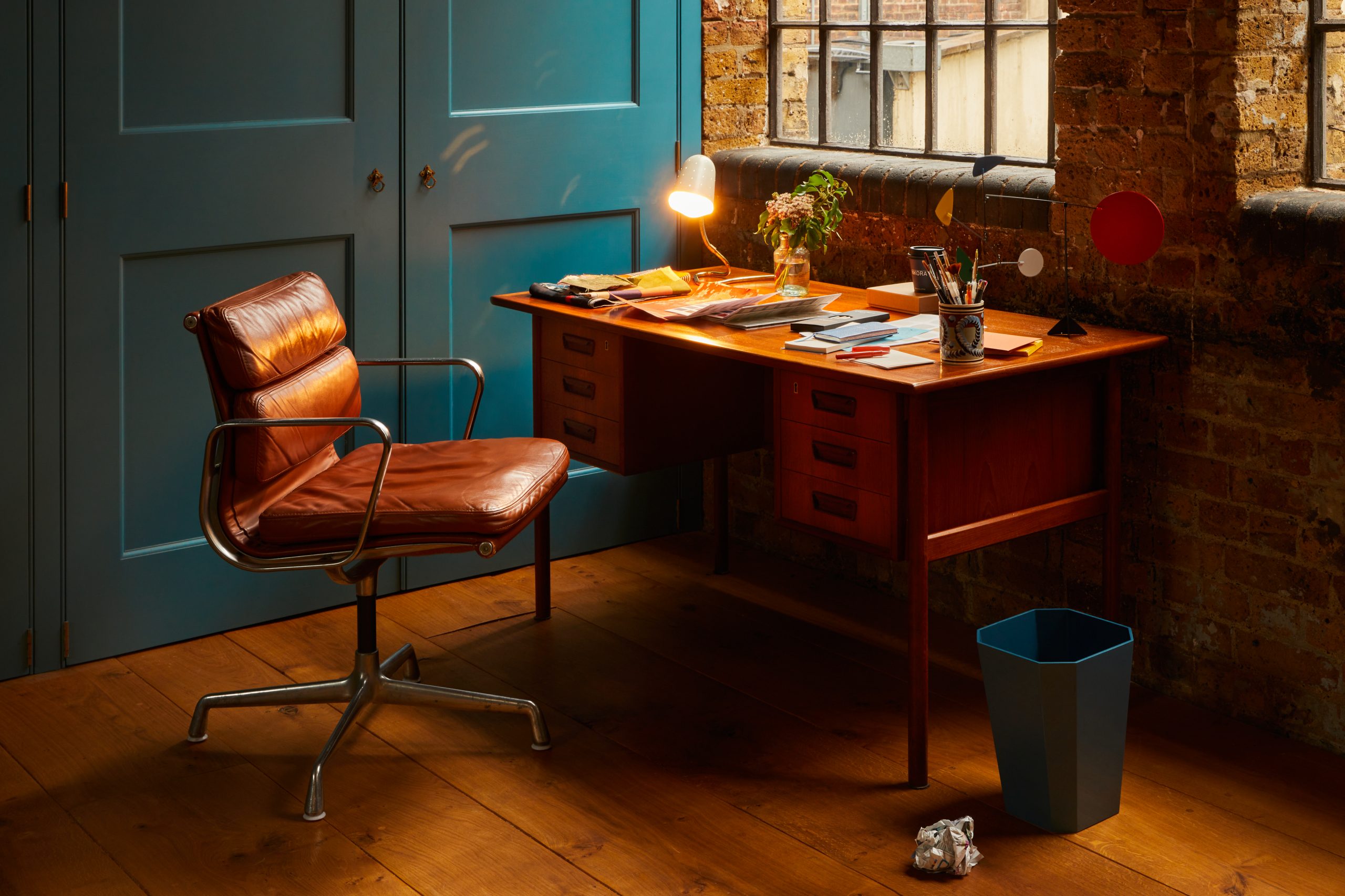
Task lighting is the second layer of lighting in an interior design scheme. Its role is to provide a direct source of light towards an area of interest. It is used to increase illuminance in order to help us perform specific tasks that require extra visual attention, such as reading, studying, cooking, cleaning, grooming, or putting on makeup. It not only boosts brightness on a specific object but it also increases contrast on the details, so we can see the small object more clearly.
When coming up with the task lighting scheme, consider the room and how you use it. There is no one size fits it all formula here as each space will require a slightly different approach.
The kitchen will most likely benefit from pendant lights over the island unit and under counter lights to empower the food preparation process. The reading corner wouldn’t be complete without a quality table lamp or a floor lamp. The dining area sure needs a good ceiling-mounted recessed lighting source, while the bathroom cannot be imagined without adequate task lighting above the bathroom vanity.
Extra tip: To minimise glare and control the shadows, always calculate the distance from the lighting source.
Accent lighting
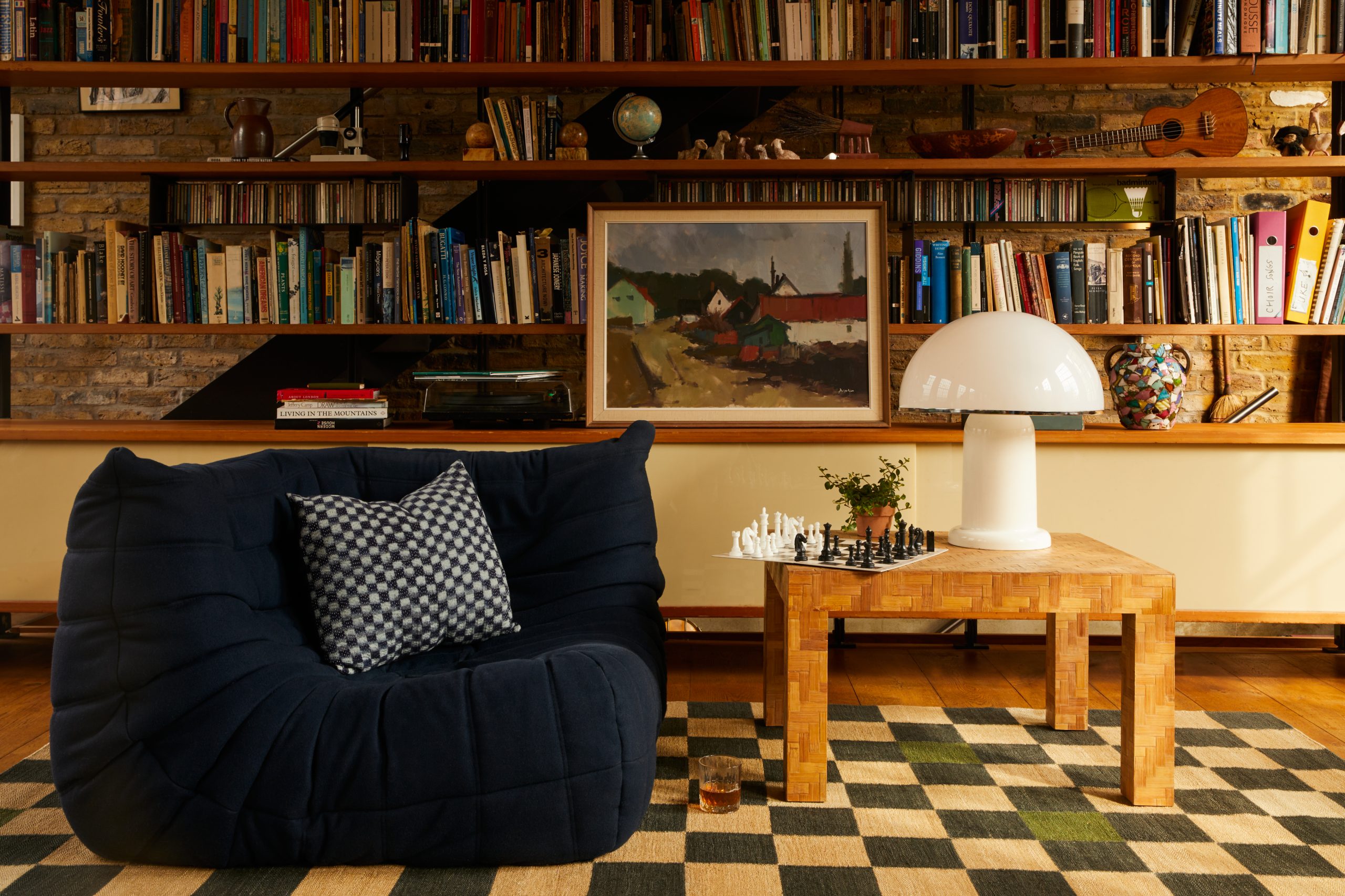
The third lighting layer is the most fun of them all, and yet again most often neglected. This is where the interior styling magic resides and where you can dream up the most pleasing versions of your home.
Accent lighting is the most responsible for the overall mood and the atmosphere. It influences the way we perceive the space and how we are going to feel in it. It can be used to highlight remarkable architectural features, eye-candy objects, or beloved pieces of art while keeping not-so-pleasing elements far away from our sight.
We told you – it’s magic!
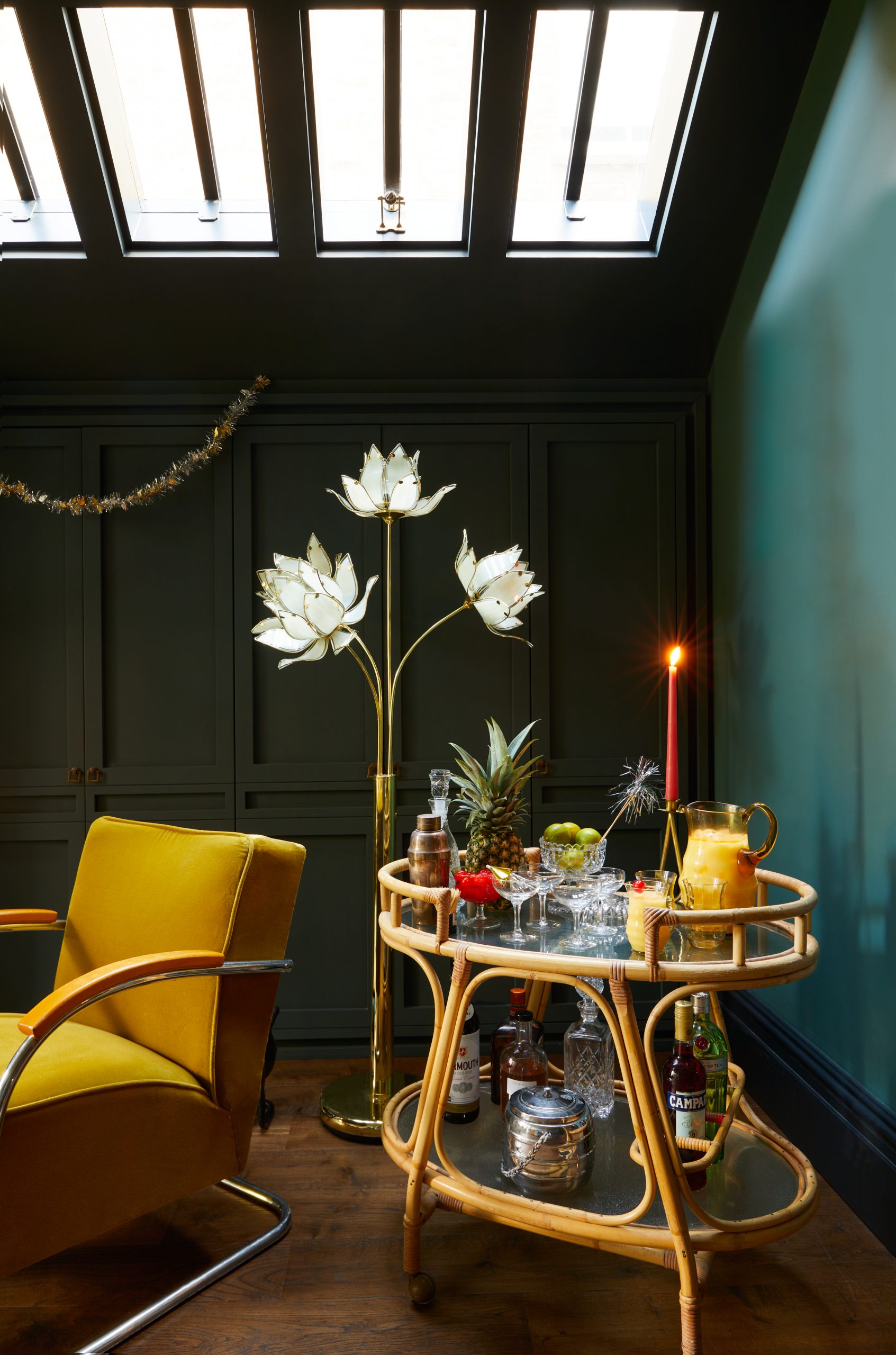
Some examples of accent lighting include wall scones, chandeliers with dimmer switches, statement lamps, candlelight, picture lights, directed tracks or recessed lights, uplights, and niche lighting.
The rule less is more applies here, so don’t overdo it. A single accent light speaks louder than an array of randomly scattered lamps. If you are in for some drama and visual excitement – go gentle and strategic. Illuminate that favourite painting of yours, or add a sensual statement lamp on the sideboard in your lounge area.
How to start a home lighting scheme
You’ve probably noticed that some types of lighting sources stretch through different categories (such as chandeliers, wall sconces, and recessed lighting). It’s not a mistake. While there is no single lighting source that provides everything you need, depending on the way you use it, the same fixture style can easily fit all three categories of lighting. This allows for flexibility in design and helps those with a creative edge to explore their wildest hints – such as using a chandelier in the bathroom or the kitchen.
To start your interior lighting scheme, we suggest laying out the floor plans of all your rooms, with your furniture planned out, and working your lighting into the scheme. For example, if your living room sofa has a sideboard behind it, perhaps a striking table lamp would be perfect to perch on it for reading of relaxing with a glass of wine.
If you love how your home looks and feels, and you can perform everyday tasks with ease, you’ve got it right.